Best Dive Site Facts for Divers on Koh Tao
Koh Tao has long been recognised as one of the premier diving destinations in Southeast Asia, attracting divers from around the world for several decades—and for good reason. With more than 25 dive sites surrounding the island, Koh Tao offers an incredible variety of underwater environments, making it an ideal destination for divers of all certification levels, from complete beginners to experienced professionals.
Whether you are visiting to complete a diving course, enjoy fun dives, or explore the island through freediving, Koh Tao offers something for every ocean enthusiast. From vibrant shallow coral gardens to deep offshore pinnacles and world-class marine life encounters, the island continues to set the standard for tropical diving experiences.
To show exactly why Koh Tao remains such a standout destination, here are our top 10 facts about the island’s incredible dive sites.
1. Dive Sites on Koh Tao for Beginners & Professionals
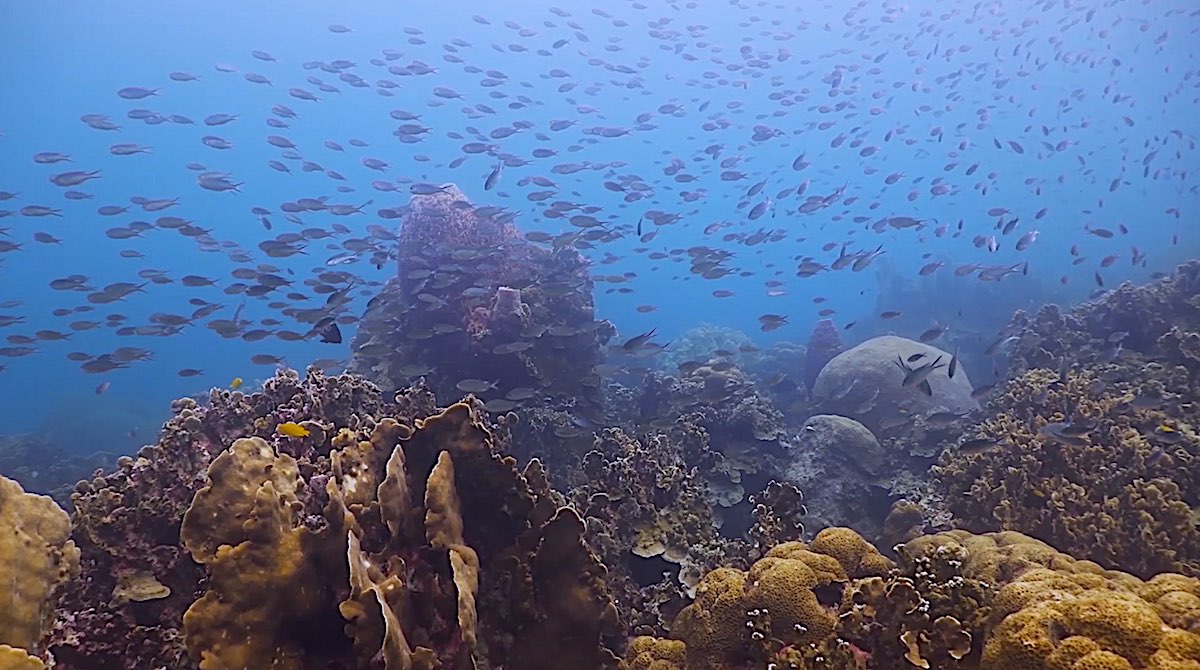
Whether you are an experienced diver or taking your very first breaths underwater, Koh Tao offers a dive site to match every level of experience and every diving goal. With more than 25 popular dive sites surrounding the island, the variety is exceptional—from calm, shallow bays and purpose-built artificial dive sites to dramatic offshore pinnacles and deeper advanced dive locations.
For beginner divers, the sheltered shallow sites provide the perfect environment to practise skills, build confidence, and gain valuable underwater experience before progressing to more challenging dives. These sites offer ideal conditions for training, with gentle conditions and vibrant marine life close to shore.
For more experienced divers and enthusiastic underwater photographers, Koh Tao’s warm tropical waters open the door to advanced dive sites, specialty courses, and unforgettable marine life encounters. From deep diving and wreck exploration to underwater photography and marine conservation training, the island provides endless opportunities to continue developing as a diver.
Abundance of Marine Life to see
Koh Tao offers an incredible abundance of marine life, making every dive an opportunity to discover something unforgettable. As you glide over vibrant coral reefs, the diversity of the underwater world quickly becomes clear—from the smallest hidden reef inhabitants to some of the ocean’s largest and most iconic visitors.
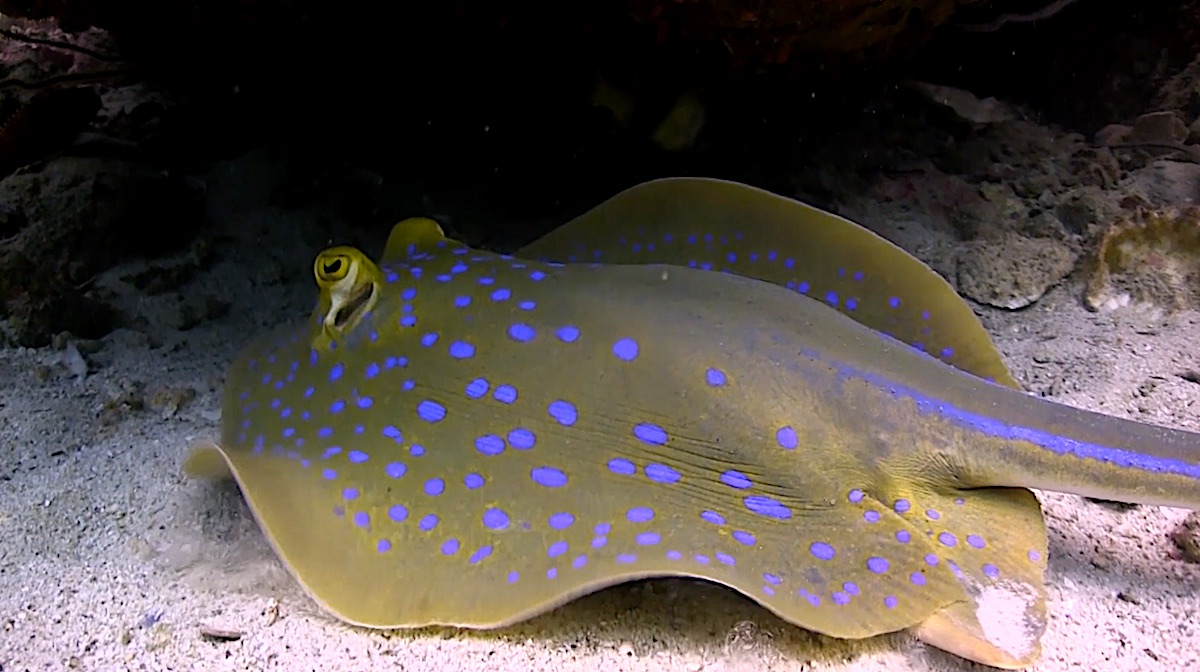
Whether your interest lies in spotting delicate nudibranchs, colourful shrimps, and cryptic macro life, or encountering larger pelagic species such as giant barracuda, reef sharks, and the magnificent Whaleshark, Koh Tao provides an exceptional range of marine encounters for every type of diver. Each dive brings something different, which is part of what makes the island such a special destination.
With so much to see, bringing an underwater camera is highly recommended. The reefs around Koh Tao are full of moments worth capturing, allowing you to take home more than just memories from your time in this tropical diving paradise.
2. Good Visibility at Koh Tao Dive Sites
Visibility in the waters around Koh Tao typically ranges from 5 to 30 metres, depending on seasonal conditions, weather patterns, and individual dive site locations. In most cases, divers can expect visibility of 15 metres or more, with periods of significantly reduced visibility being relatively uncommon.
Generally, the months from March through to June are considered the best time for diving, offering some of the clearest water conditions of the year. During this period, calm seas, warm temperatures, and minimal wind help create stable and highly enjoyable diving conditions, making it a particularly popular season for both training and fun diving.
That said, Koh Tao is very much a year-round diving destination with a true 365-day dive calendar. Diving is part of the island’s identity, and excellent underwater experiences can be found throughout the year. While certain months may offer peak visibility, there is always something worth exploring beneath the surface.
It is important to note that visibility occasionally decreases during monsoon season or periods of tropical storms, but these are usually temporary changes rather than long-term limitations.
3. Best Time of Year to go Diving on Koh Tao
The months from March to June are widely considered the best time of year for diving on Koh Tao. One of the main reasons this season is so popular is the stable weather. With less wind and calmer surface conditions, boat journeys are smoother, dive sites are more accessible, and underwater conditions remain consistently clear and comfortable. This makes it an excellent time for beginner divers completing courses like Open Water or Advanced Open Water, as well as for experienced divers looking to visit sites such as Chumphon Pinnacle, Southwest Pinnacle, and Sail Rock.
March to June is also considered one of the best periods for whale shark sightings, which for many divers is the ultimate underwater experience. Seeing a whale shark in Koh Tao’s clear blue water is often a once-in-a-lifetime moment and one of the biggest reasons divers choose to visit during this season.
Tropical Island in the Ocean
One of the major advantages of Koh Tao being located more than 70 kilometres from the mainland is that its weather patterns are quite different from much of Southern Thailand. Unlike destinations on the Andaman coast or mainland Gulf areas, Koh Tao experiences a shorter and less intense monsoon season, which makes it a far more reliable year-round diving destination.
While many parts of Southern Thailand experience extended periods of heavy seasonal rain, Koh Tao’s monsoon is usually much shorter and is generally centred around November. In most cases, the unsettled weather lasts only a few weeks rather than several months, meaning the island maintains strong diving conditions for the majority of the year.
Even during monsoon season, diving rarely stops. Rainfall often comes in short, heavy bursts overnight or during parts of the day rather than continuous all-day rain. It is very common to wake up to sunshine and calm seas even after a stormy night. This allows dive operations to continue running safely, with many dive sites still offering enjoyable conditions underwater.
Because the sea remains warm year-round and visibility can still be good even during seasonal changes, divers visiting during monsoon season often find they can still complete courses, enjoy fun dives, and visit popular sites such as Chumphon Pinnacle, Southwest Pinnacle, and Sail Rock.
All Year Diving on Koh Tao Dive Sites
Unlike other diving destinations in Thailand, Koh Tao can dive all year round due to the small size of the island, lack of extended monsoon season and close proximity to the majority of dive sites. Most bays and dive sites around the island are no more than a 30 minute journey by boat and on a standard dive boat it takes less than 1 hour to go around the whole island. Dive centres on Koh Tao can always visit a calm dive site regardless of the wind direction or wave size, boat operators simply switch between the east or the west coast.
4. Over 25 Koh Tao Dive Sites to Choose from
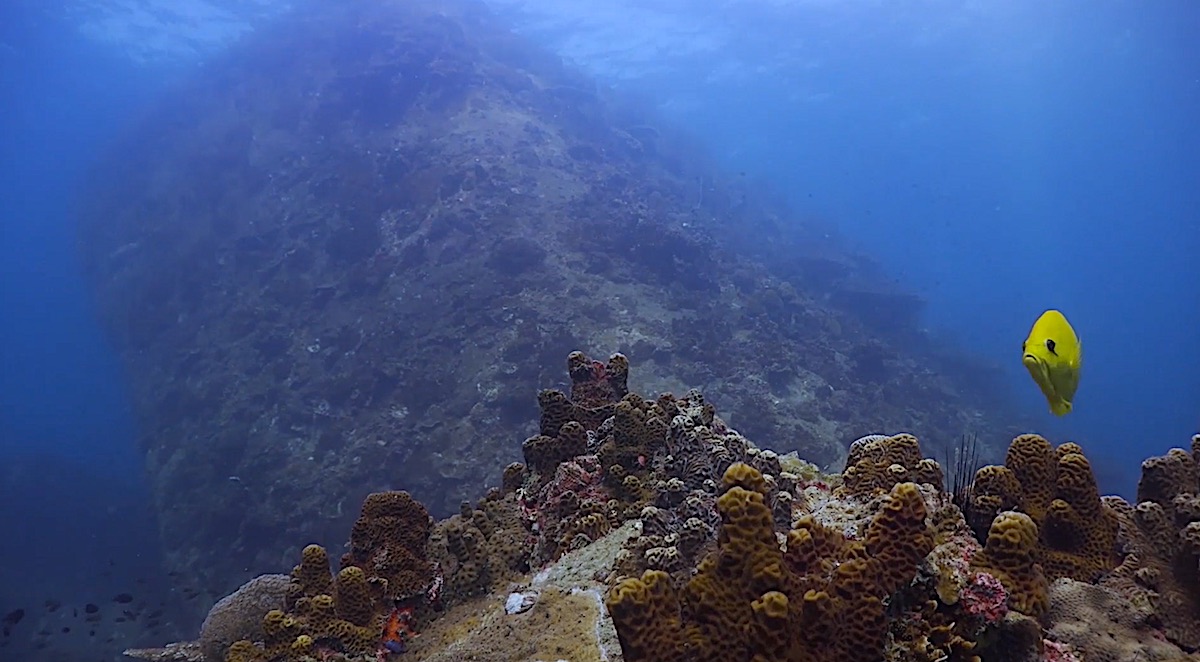
With more than 25 dive sites to choose from that are located all around the island, there is always great diving available. There is also the option to travel by road to the other (sheltered) side of the island in less than 15 minutes and board the dive boat from there. Quite often dive boat operators will moor their boats on the east or west side of Koh Tao, depending on what season we are in or the latest weather forecast.
Warm Tropical Waters and Comfortable Year-Round Diving
The sea temperature around Koh Tao ranges from 26C – 30C and for 10 months of the year the sea temperature will be above 28C. For most scuba divers on Koh Tao this means there is no need for heavy exposure suits that can restrict your movement. A 3mm short wetsuit is usually enough to keep you warm during your dives. Many divers even prefer not to use a wetsuit at all and just dive in a rashguard and shorts or swimsuit. Even on the deeper dive sites and outlying pinnacles, you will find that the temperature is very consistent, even at deeper depths of 30-40metres. At 30metres+ depth, you will get the same sea temperature as you get near the surface of the water. The warm, tropical sea temperatures around Koh Tao are welcome by all visitors including scuba divers, snorkelers and by those who simply want to spend the day at one of the amazing beaches and go for a swim.
5. Scuba Diver Training at Koh Tao Dive Sites
Taking your first breath underwater is an exciting moment, but it can also feel a little overwhelming as you step into a completely new environment. Learning to dive introduces many new skills, techniques, and experiences, so completing your training in the right conditions makes a huge difference to both confidence and enjoyment.
Koh Tao is one of the world’s most established diving destinations, where the island community lives and breathes scuba diving every day of the year. This strong diving culture ensures high training standards, experienced instructors, and an environment designed to help new divers feel comfortable and supported from the very beginning.
With a wide variety of dive sites located less than 30 minutes by boat from the main pier, Koh Tao offers ideal conditions for every level of diver training. Calm, shallow bays provide the perfect setting for PADI Open Water courses, allowing students to practise skills safely while still enjoying vibrant coral reefs and an abundance of marine life during their training dives.
Best Dive Sites for PADI Open Water Course
In addition to ideal training conditions, many of Koh Tao’s dive sites also offer designated safe areas where divers can practise core skills such as buoyancy control, finning, and swimming techniques without disturbing the natural reef or damaging sensitive marine habitats. This allows students to build confidence while learning how to dive responsibly and with minimal environmental impact.
At Black Turtle Dive, all students are given extended buoyancy workshops designed to provide enough time to properly develop control and comfort underwater. The focus is on creating confident divers who can maintain neutral buoyancy and move efficiently through the water without needing to touch the seabed—an essential skill for both diver safety and reef protection.
Over the years, significant efforts have been made by local dive centres working alongside the Department of Marine and Coastal Resources (DMCR) to install a network of permanent mooring lines across Koh Tao’s dive sites. These mooring systems provide safe, fixed points for dive boats, reducing the need for anchors and helping to minimise damage to coral reefs and marine life.
Beyond their environmental importance, these mooring lines also serve as excellent descent and ascent lines for diver training, offering students greater comfort, control, and safety as they enter and exit the water. It is another example of how Koh Tao’s diving infrastructure supports both high-quality training and long-term marine conservation.
6. Marine Conservation at Koh Tao Dive Sites
There are many non-profit organisations and projects that aim to preserve the natural underwater environment on Koh Tao. All dive professionals want nothing more than to show the beautiful underwater habitat around Koh Tao to their students and divers. Throughout the years many exciting projects have been started including Mooring Buoy line maintenance, Artificial Reefs, Dive Against Debris, Coral Restoration and many more ongoing projects.
Artificial Dive Sites Koh Tao
Koh Tao now offers a wide range of artificial dive sites, adding another exciting dimension to the island’s diving landscape. These include purposely sunk wrecks such as the HTMS Sattakut and MV Trident, as well as purpose-built artificial reef structures that have gradually become thriving habitats for coral growth and marine life.
These artificial sites provide divers with a completely different underwater experience compared to natural reefs. Wreck dives offer the excitement of exploring large structures, swim-throughs, and dramatic topography, while artificial reef projects create unique environments where marine species quickly establish shelter, feeding grounds, and breeding areas. Over time, these once-bare structures become full of life, often attracting schools of fish, groupers, batfish, barracuda, nudibranchs, and many smaller reef inhabitants.
Artificial reef dive sites are also incredibly important from a conservation perspective. By creating alternative dive locations, they help reduce diver traffic and pressure on natural coral reefs, allowing sensitive reef systems more time to recover and remain protected from overuse. This balance between tourism and conservation is essential for maintaining the long-term health of Koh Tao’s marine ecosystems.
Many of these structures are also used for training and buoyancy workshops, giving divers safe spaces to practise skills without risking damage to fragile coral environments. Sites such as Junkyard Reef and other conservation-led artificial reef projects have become valuable tools not only for diver education, but also for coral restoration research, marine monitoring, and long-term reef rehabilitation.
Artificial dive sites show how diving and conservation can work together—creating incredible dive experiences for visitors while actively supporting the protection and future of the natural reef systems that make Koh Tao so special.
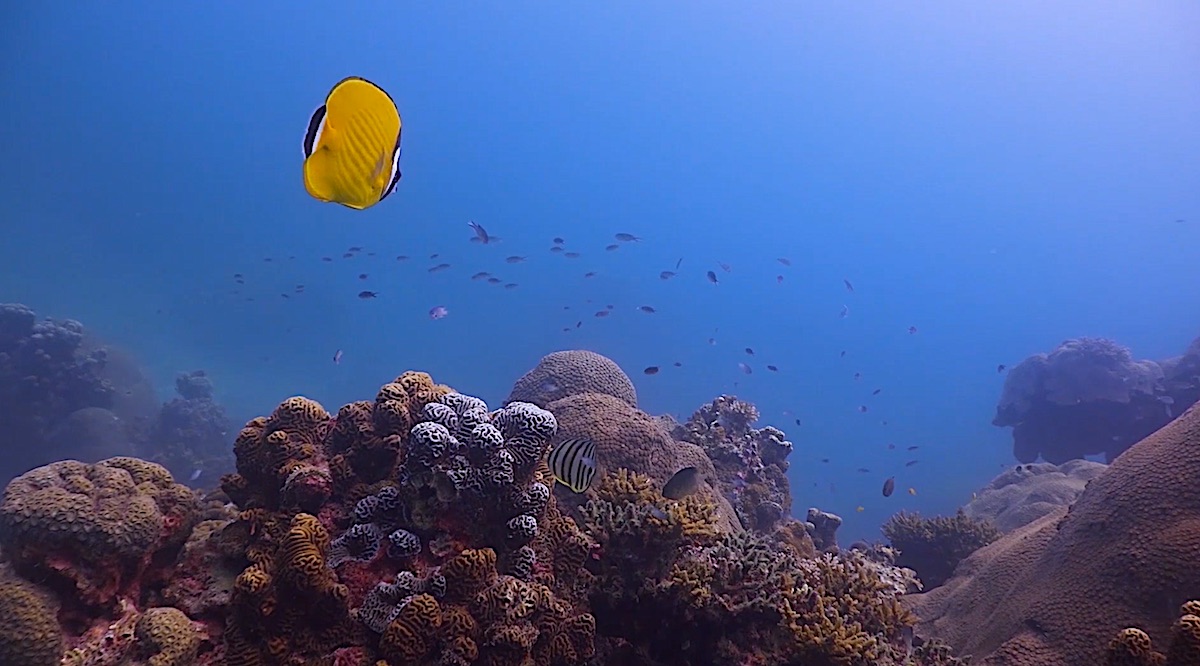
7. Abundance of Marine Life at Koh Tao Dive Sites
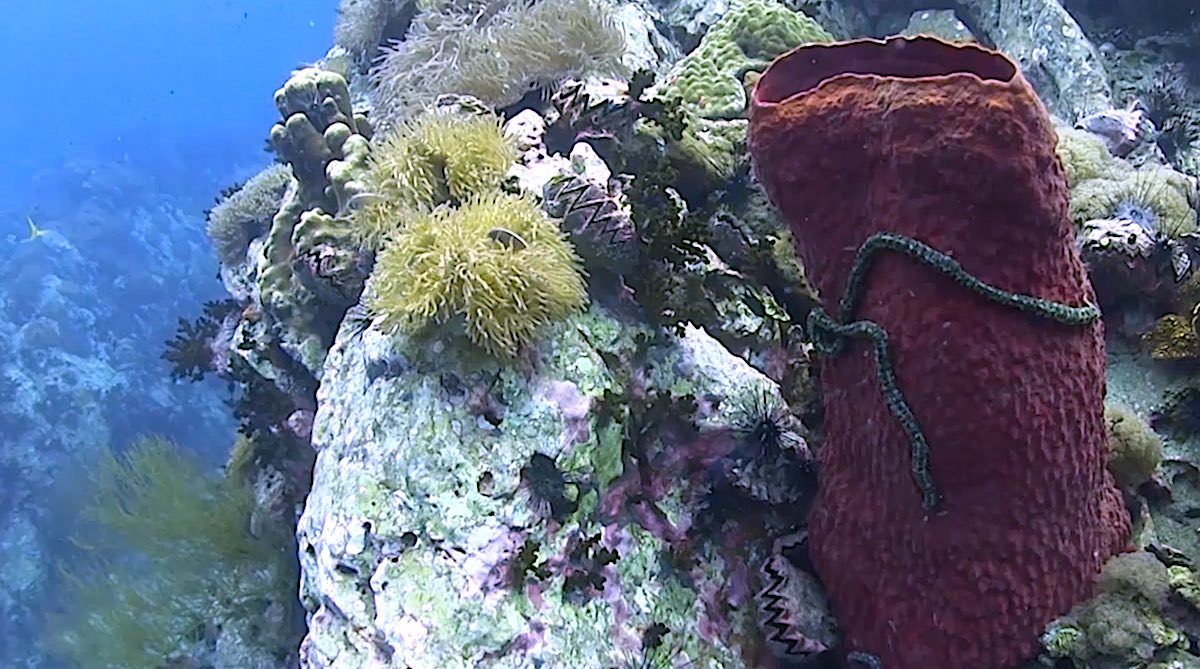
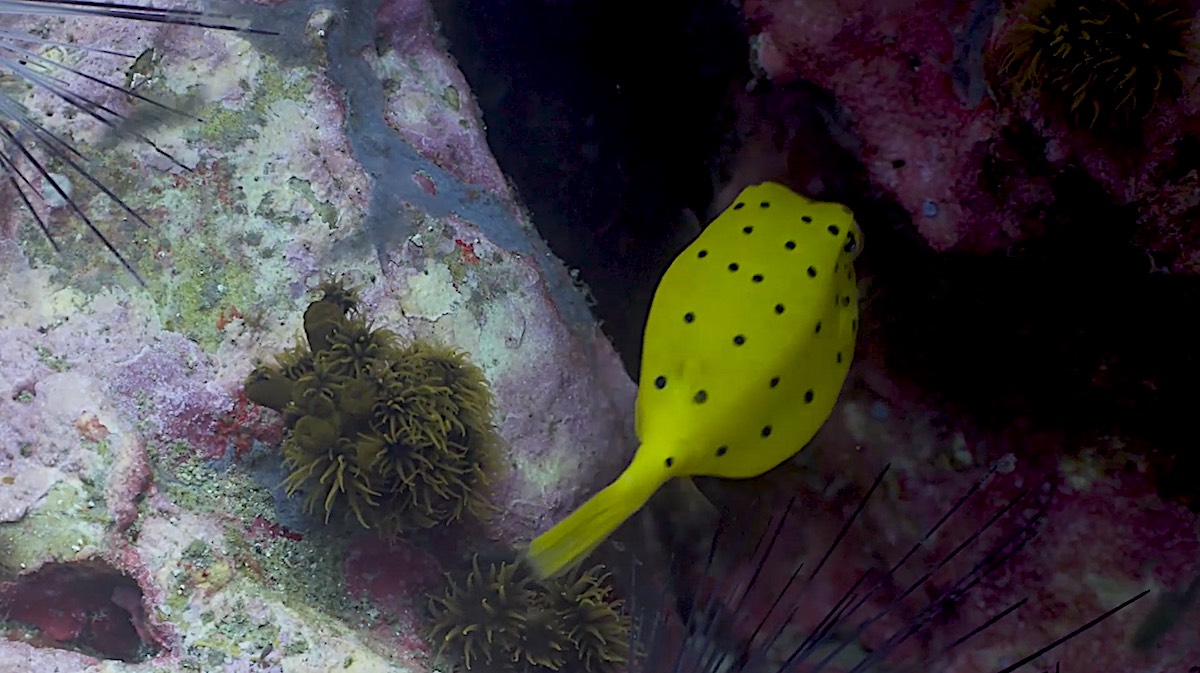
There is always something to see at any of the dive sites around Koh Tao. On the shallower dive sites the Coral reefs act as nurseries for smaller fish where they can thrive and grow. This in turn attracts predators looking for an easy meal. This interesting relationship and interaction means there is always movement and lots of exciting things happening at any time. During your dives you will see a lot of colorful tropical fish and beautiful coral gardens, large boulders and impressive underwater rock formations.
Deep Dive Sites on Koh Tao
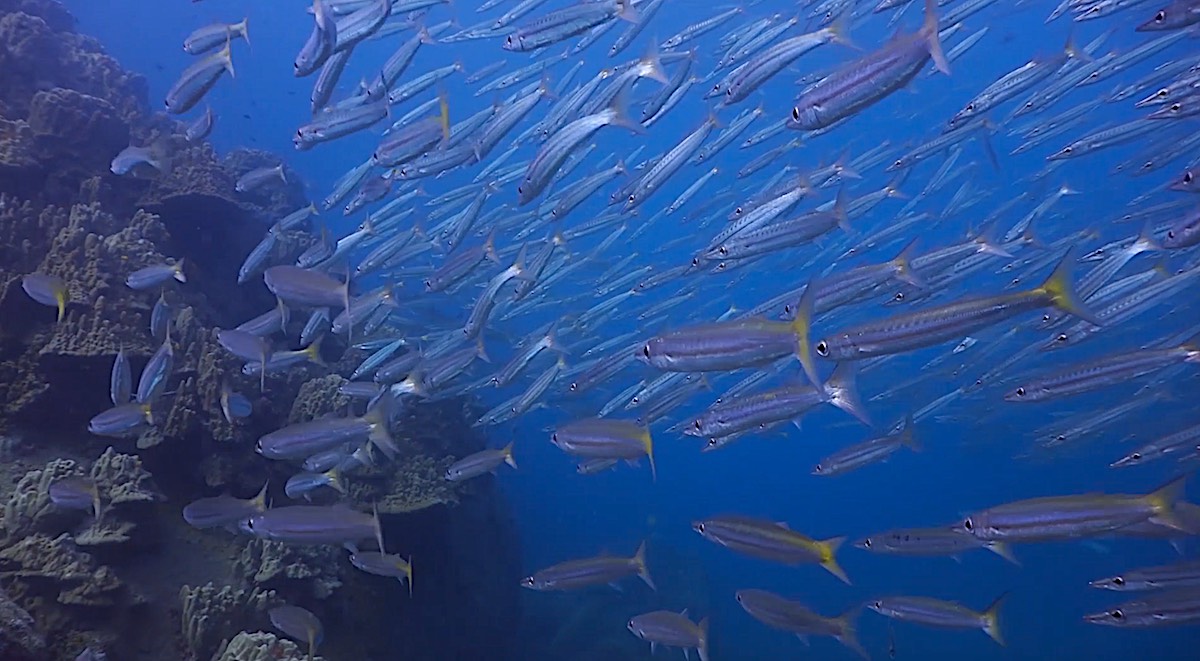
When you visit deeper dive sites like Chumphon Pinnacle or Southwest Pinnacle, expect to see Barracuda, Giant Groupers, Batfish, Queenfish and possibly a Whaleshark, the fish that is on the bucket list of every scuba diver. If you are more interested in the smaller creatures of the sea, look out for different types of Nudibranch and other invertebrates, such as Flatworms, Shrimps, Crabs and maybe even a Seahorse. Read through our different marine life website pages to see what Koh Tao has to offer you and we guarantee you will not be disappointed.
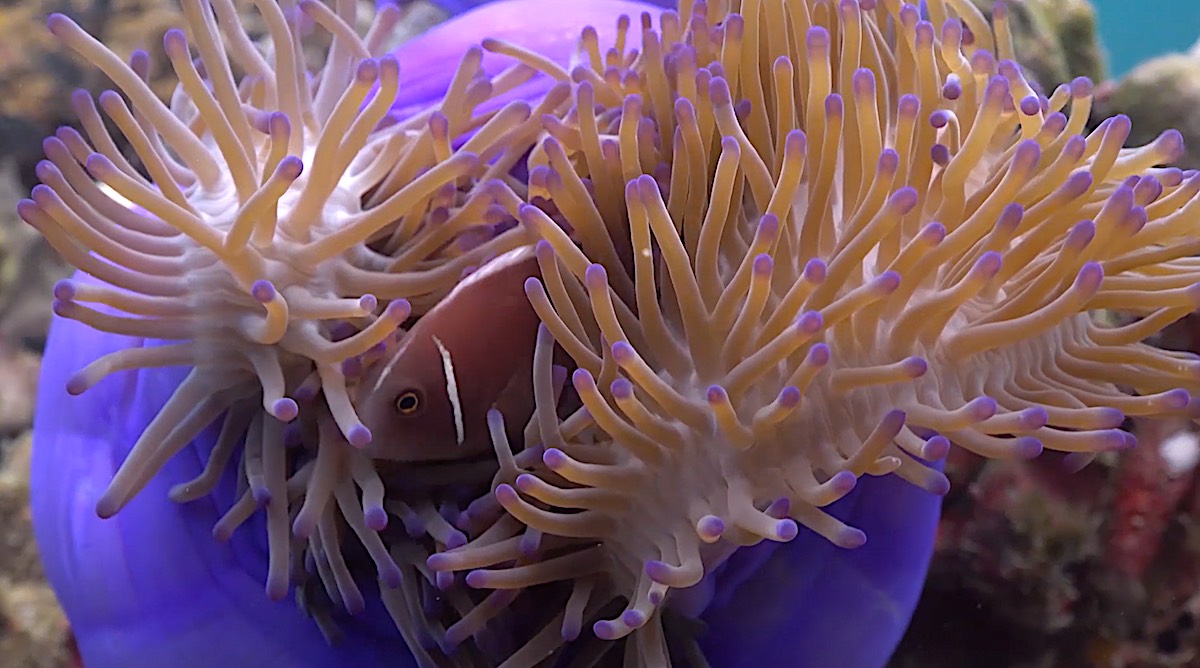
8. Local Koh Tao Dive Sites
More than 90% of Koh Tao’s dive sites are located less than 45 minutes from the island’s main pier, making it one of the most accessible and efficient diving destinations in Southeast Asia. With such a wide variety of dive sites located in close proximity, divers can maximise their time underwater and get far more out of their diving holiday without spending long hours travelling by boat.
This convenience allows for a highly flexible and rewarding dive schedule. Most dive centres can organise two boat trips per day, with each trip offering two dives—giving divers the opportunity to explore up to four different dive sites in a single day. From shallow coral gardens and artificial reefs to deep pinnacles and offshore wrecks, the variety of diving experiences available within such a short distance is exceptional. In between the dive trips, the dive boat comes back to shore so you have time to order food and drink before heading out to the dive again.
Even with a full day of diving, there is still plenty of time to return to shore, relax, and enjoy Koh Tao’s famous sunsets. This balance between adventure and island lifestyle is one of the many reasons divers return to Koh Tao again and again—it offers world-class diving without sacrificing the relaxed tropical experience that makes the island so special.
Maximise Your Diving Holiday with Multiple Daily Dive Trips
You do not have to take both dive trips, but it gives you the option to visit more dive sites in a shorter time period so you can get the most out of your diving vacation. If you add our night dives on top of that, it means that it is possible to take up to 5 amazing dives a day.
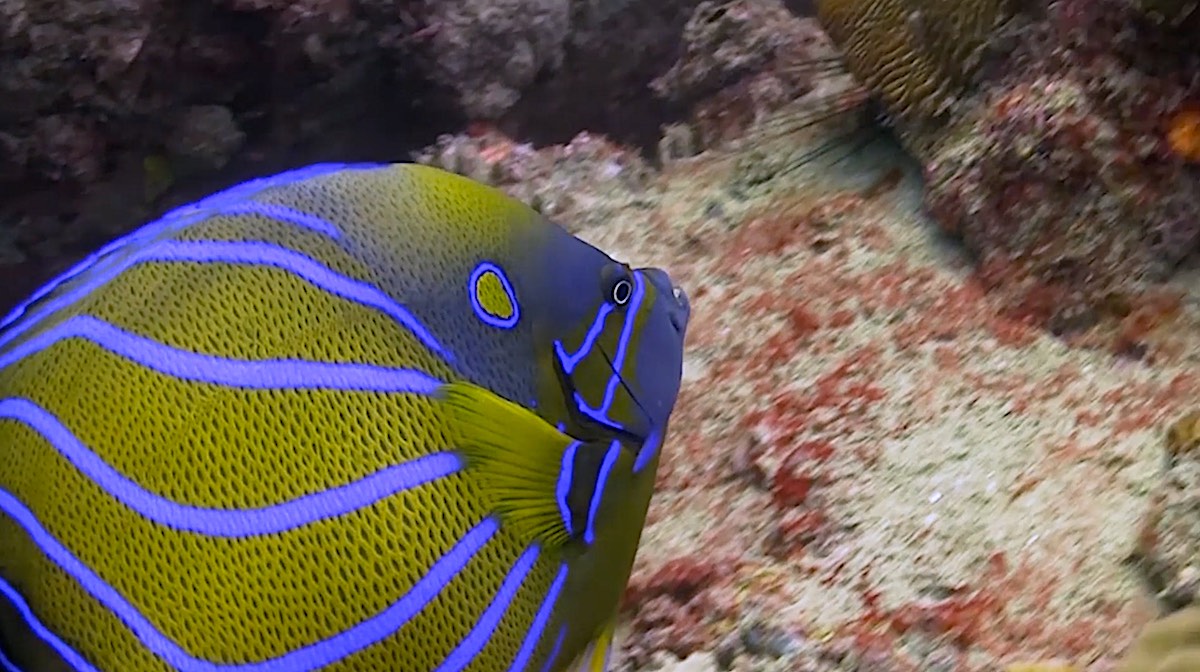
9. No Fishing at Koh Tao Dive Sites
Back in 1994 the first regulations for zoning and marine protection were put in place locally. This included a zone of 3km around Koh Tao that was protected from trawling and a 1km by 5 km no fishing area in the front of Sairee Beach. Now the whole island of Koh Tao and the ocean and dive sites just off the coast are in a ‘conservation and environmental protection zone’.
DMCR & Koh Tao Dive Sites
In 2018 the DMCR added Chumphon and Southwest Pinnacle dive sites to this as well. This means that no commercial fishing is allowed in those areas. On December 1st 2018 order no. 755/2561 of the DMCR came into force. This order applies to Koh Tao, but also Koh Samui and Koh Phangan. It states that:
- Boats are strictly prohibited from using anchors in coral reef areas. Mooring buoys must be used when accessing the dive site.
- The disposal at sea of garbage, waste water or any other pollutant is strictly prohibited.
- Feeding fish or other marine animals in coral reef areas for the purpose of catching them is strictly prohibited.
- Sea walkers and other activities leading to harmful impacts on coral reefs are strictly prohibited.
All this is aimed at preserving the underwater environment so divers can enjoy it for years to come.
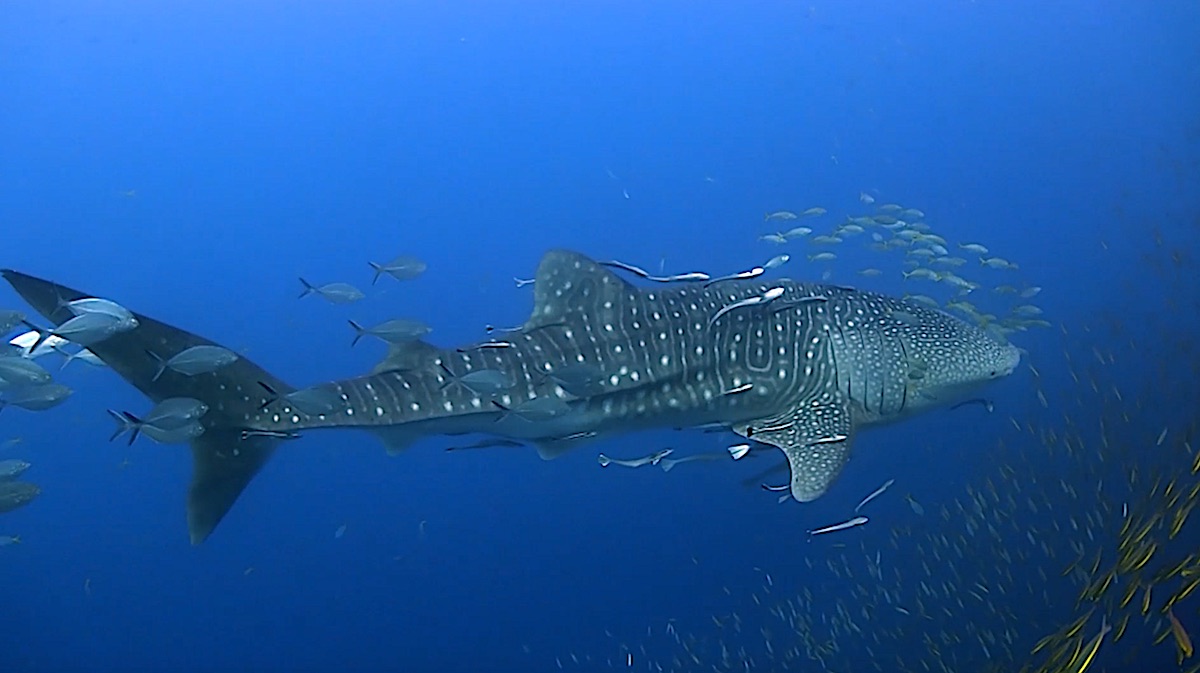
10. Whalesharks at Koh Tao Dive Sites
Koh Tao gets regular visits from the biggest fish in the ocean, the mighty Whaleshark. A few years ago more than 100 different individuals were identified in a single year in the Chumphon Archipelago. There are certain times of the year when you have a better chance of seeing them and the prime periods are March-May and the month of October. A Whaleshark can be seen at many different dive sites around Koh Tao at both shallow and deep dive sites. We do not feed or try to attract Whalesharks, but rather leave them undisturbed in their natural habitat. Consequently, there is no guarantee you will see one when diving Koh Tao, which makes it more exciting when you do see one on your dive.
Whale Shark Encounters: Diving with Koh Tao’s Gentle Giants
Many of our PADI Open Water students have been lucky enough to encounter a whale shark as early as their third or fourth dive—an unforgettable experience for any new diver. Seeing one of these gentle giants in the wild is often a once-in-a-lifetime moment and one of the highlights of diving around Koh Tao.
When encountering a whale shark, it is important to remain calm, respectful, and maintain a safe distance. Divers should always keep a minimum distance of 3 metres from the head and 5 metres from the tail of any passing whale shark. This helps protect the animal from stress or disturbance while allowing divers to enjoy the encounter responsibly and safely.
Follow The Rules
There are also strict guidelines in place to protect whale sharks and ensure these encounters remain safe and respectful for both divers and marine life. Divers must never touch, ride, hold, or chase a whale shark under any circumstances. These animals are wild, highly sensitive, and should always be observed passively and responsibly. Respecting their natural behaviour is essential for their wellbeing and for preserving these incredible encounters for future divers.
If you are using an underwater camera, it is equally important to avoid flash photography, as sudden bright lights can cause unnecessary stress and disturbance. The goal should always be to minimise your impact and allow the animal to move naturally through its environment without interference. A calm, respectful interaction creates a far more meaningful experience than trying to get too close.
Koh Tao offers every aspiring and certified scuba diver with a passion for the ocean an incredible variety of dive sites to explore and enjoy. From shallow coral gardens and artificial reefs to deep offshore pinnacles and world-class whale shark encounters, the island provides something for every level of diver and every type of underwater adventure.
The real challenge for visitors is rarely whether there is enough diving to do—it is deciding which dive sites to prioritise during your stay. With so much to discover, explore, and experience beneath the surface, Koh Tao leaves most divers planning their next trip before they have even left the island.
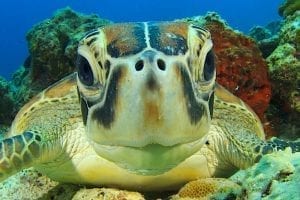
Why Sea Turtles are Important for a Healthy Ocean
BOOK COURSES – PRICES