Advanced Open Water Course – Adventure Diving
As a certified Open Water Diver, you already had the pleasure of discovering and exploring the wonderful underwater world. Continuing with your training as a scuba diver, there are many more adventures and experiences available and that is what the PADI Advanced Open Water course is all about. The Advanced Open Water course is about developing new skills that will ensure your diving adventures are more rewarding and you will learn a range of new skills by doing 5 different Adventure Dives.
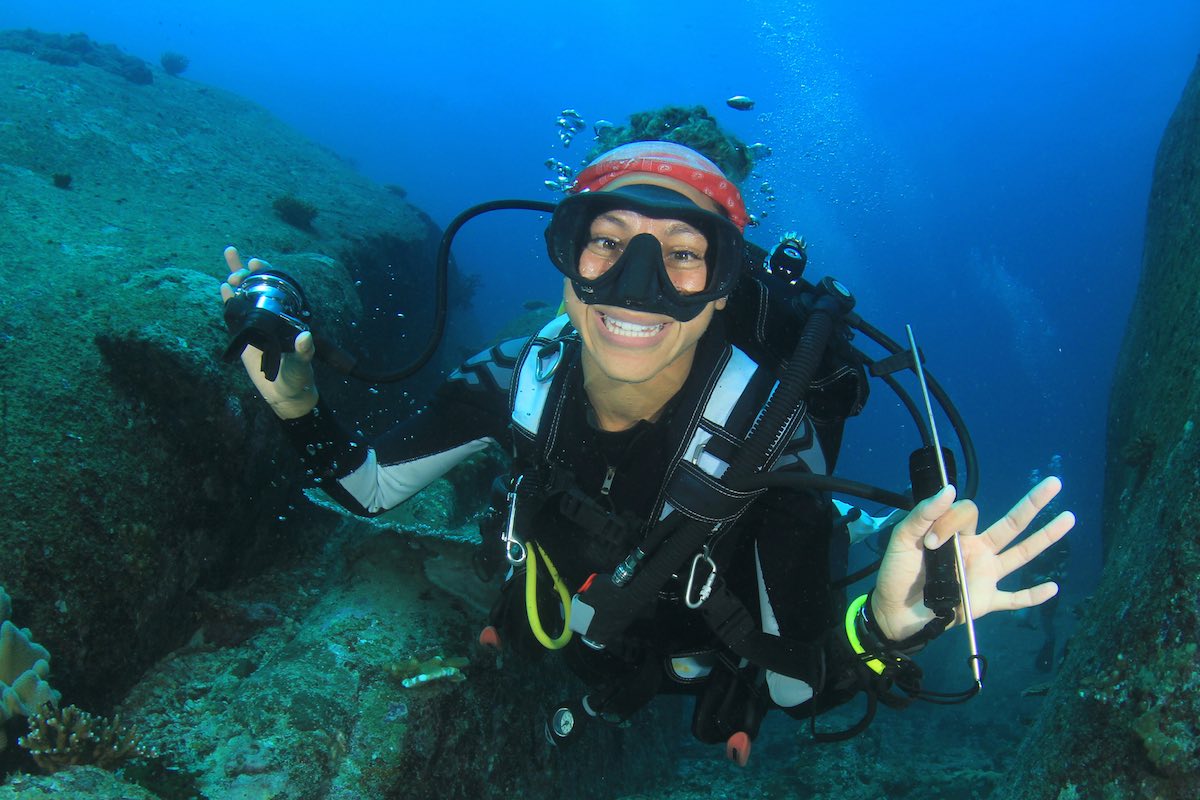
Develop New Skills as an Advanced Open Water Diver
Becoming a certified PADI Advanced Open Water Diver opens the door to a whole new level of diving experiences around the world. With this certification, divers gain access to deeper dive sites, more advanced underwater environments, and a wider range of specialty activities that are not available at entry level. It is an important step for anyone looking to build confidence, improve skills, and explore more of the underwater world.
Throughout the course, divers develop a stronger understanding of dive equipment and how to use it effectively, while also becoming more aware of their surroundings, buoyancy, and overall underwater control. As confidence grows, so does the ability to dive more comfortably, safely, and independently.
In this article, we explore five key skills that every student develops during the PADI Advanced Open Water course and how they help shape stronger, more capable divers.
Advanced Open Water Course – Planning for Deep Dives
The Deep Adventure Dive is one of the compulsory dives required for the PADI Advanced Open Water certification, and it is also one of the most valuable. During this dive, students descend to a maximum depth of 30 metres, expanding significantly beyond the 18-metre limit of the Open Water Diver certification. While the difference may seem small on paper, those additional 12 metres open up an entirely new range of dive experiences.
Deeper reefs, dramatic pinnacle sites, sunken wrecks, and advanced offshore dive locations often begin beyond 18 metres, making deep dive training an important step for divers who want to explore more of the underwater world. Gaining the certification to dive to 30 metres not only increases access to these sites, but also builds confidence, awareness, and a stronger understanding of how depth affects both the diver and the dive itself.
Diving to 30 Metres
Many wreck dive sites begin deeper than 18 metres, and in general, deeper offshore sites often offer encounters with larger marine life and more dramatic underwater landscapes. These locations are often some of the most exciting dives available, but they also require greater awareness and planning.
Deep dives introduce important considerations that are less significant on shallower dives. As depth increases, so does pressure and air density, which means your no-decompression limit—or no-stop limit—becomes much shorter. Divers must monitor their dive computer carefully to ensure they remain within safe limits and avoid unplanned decompression stops. At 30 metres, your available no-stop time can be roughly three times shorter than it would be at 18 metres, making good dive planning essential.
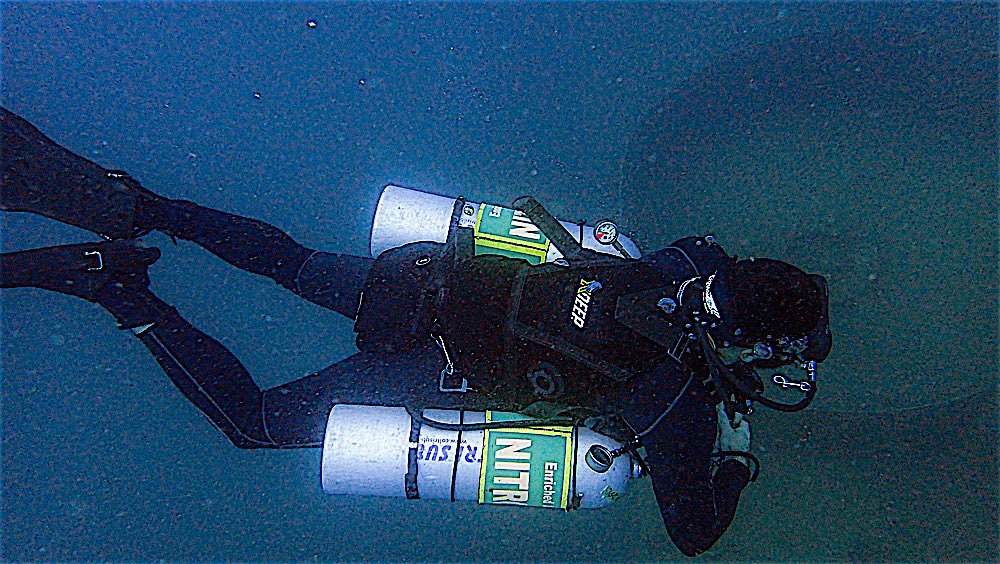
For divers planning multiple deep dives, training with Enriched Air Nitrox is highly beneficial. Using Nitrox can help extend no-decompression limits, reduce nitrogen absorption, and provide an added margin of safety, making it an excellent complement to deep diving training.
Nitrox & Advanced Open Water Combo Course
The increased oxygen percentage in an Enriched Air Nitrox tank can significantly extend your no-decompression limit, allowing for longer and more comfortable bottom times on deeper dives. For this reason, the PADI Enriched Air Diver course is an excellent addition to the Advanced Open Water course and can often be completed within the same timeframe, giving divers the opportunity to earn two valuable certifications together.
Another key consideration in deep diving is air consumption. As depth increases, so does the rate at which you use your breathing gas. At 30 metres, air is consumed approximately four times faster than it is at the surface due to the increased pressure. This makes regular air checks essential throughout the dive, along with strong awareness of both your own gas supply and your buddy’s. Good communication and careful monitoring are fundamental to safe and enjoyable deep diving.
Considerations when Diving Deeper
Before any deep dive, careful planning is essential. One of the first steps is establishing your turn pressure—the point at which you and your buddy begin your ascent to ensure a safe reserve of breathing gas remains. During the course, your instructor will also introduce different types of emergency breathing equipment that should always be prepared for deep dives, providing an additional layer of safety and reassurance.
Deep diving also requires a stronger understanding of environmental conditions and how they can affect both the dive plan and the equipment you use. Factors such as thermoclines, currents, visibility, and depth-related temperature changes can all influence your dive. In some cases, these conditions may determine practical choices such as the type of exposure suit you wear to remain comfortable and protected underwater.
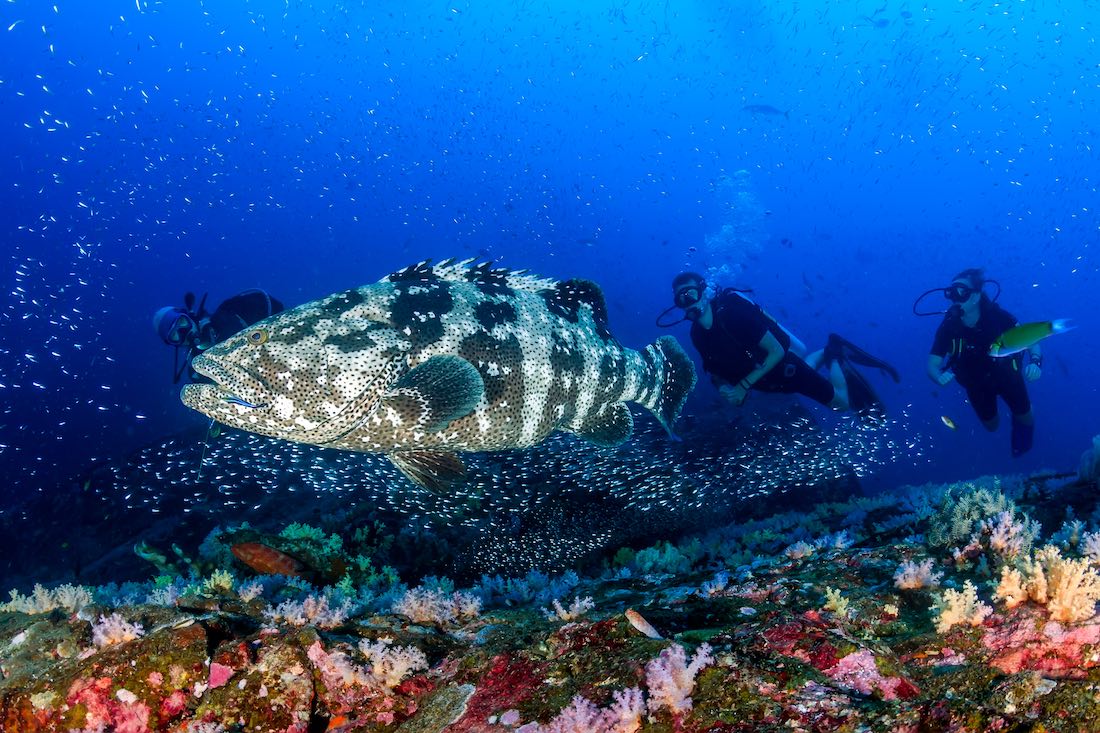
Around Koh Tao, some of the most popular deep dive sites include Chumphon Pinnacle, Southwest Pinnacle and Sail Rock. Chumphon and Southwest are both around a 45-minute boat journey from Koh Tao, while Sail Rock is a longer trip at approximately 1 hour and 45 minutes. These sites offer the chance to experience huge schools of fish, large barracuda, giant groupers, hunting queenfish, and—if luck is on your side—even a whale shark encounter.
Advanced Open Water Course – Underwater Navigation
Underwater navigation is one of the most important skills in scuba diving, and the stronger you become at it, the more comfortable, confident, and enjoyable your dives will be. The Navigation Adventure dive is the second compulsory dive required for the PADI Advanced Open Water certification. The remaining three dives are elective Adventure Dives, allowing you to choose specialties that best match your interests and diving goals.
For many divers, previous dives have often involved following a PADI Divemaster or a Dive Instructor around the site, relying on their guidance to lead the way. The Navigation Adventure Dive changes that by helping you take a more active role in understanding where you are underwater and how to move through a dive site with confidence.
If you think back to the navigation skills introduced during your Open Water course, you may remember how challenging it felt at first. Underwater navigation requires you to balance several things at once—direction, depth, buoyancy, natural references, and awareness of your surroundings—all while staying relaxed and in control. With practice, these skills become second nature and greatly improve every dive experience.
Developing Underwater Navigation Skills
During the Underwater Navigation Adventure Dive, we build on the foundational skills introduced in the Open Water course and take your navigation abilities to the next level. This dive goes beyond simply following a compass—you will learn how to combine compass navigation with natural references, depth awareness, distance estimation, and planned navigation patterns to move confidently and accurately underwater.
Finding your way back to the Dive Boat
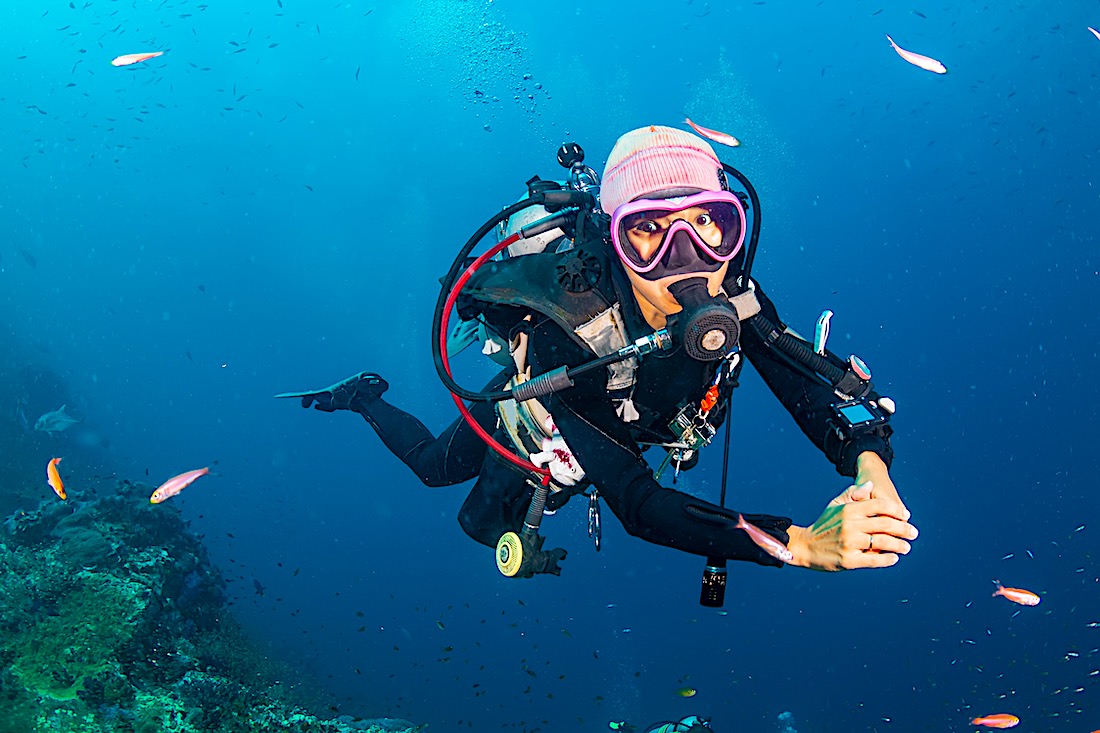
Around Koh Tao, dive boats typically moor to fixed mooring lines at each dive site and remain there throughout the dive. Returning to the boat at the end of your dive is far easier—and far more enjoyable—when you can navigate back accurately, rather than relying on a long surface swim. Strong underwater navigation skills not only improve comfort and efficiency, but also make you a more independent and capable diver overall.
One of the things you will learn is how to measure distance underwater by counting kick cycles, but also by using elapsed time. On top of that, you will have to navigate to a predetermined location and return by just using natural references you see under water. These references can be light, shadows, marine species, bottom compositions and formations. There are a few compass navigation exercises where your instructor will give you an actual heading that you have to set. You will have to show how to position and handle the compass underwater to maintain an accurate heading and return to your starting point.
Advanced Open Water Course – Buoyancy Control
Buoyancy control is arguably the most important skill in scuba diving and one that continues to improve with every dive you make. Strong buoyancy allows you to move effortlessly and efficiently through the water, creating a smoother, more relaxed, and far more enjoyable diving experience.
Controlled buoyancy not only improves comfort—it also helps reduce air consumption, protects the marine environment by preventing accidental contact with the reef, and builds the confidence needed to handle more advanced dive situations. It is one of the key differences between simply being certified and becoming a truly skilled diver.
If you think back to your Open Water course, you will likely remember how quickly your buoyancy improved from one dive to the next. That same progression continues throughout your diving journey, and developing strong buoyancy control is one of the most valuable investments you can make as a diver.
Importance of Neutral Buoyancy
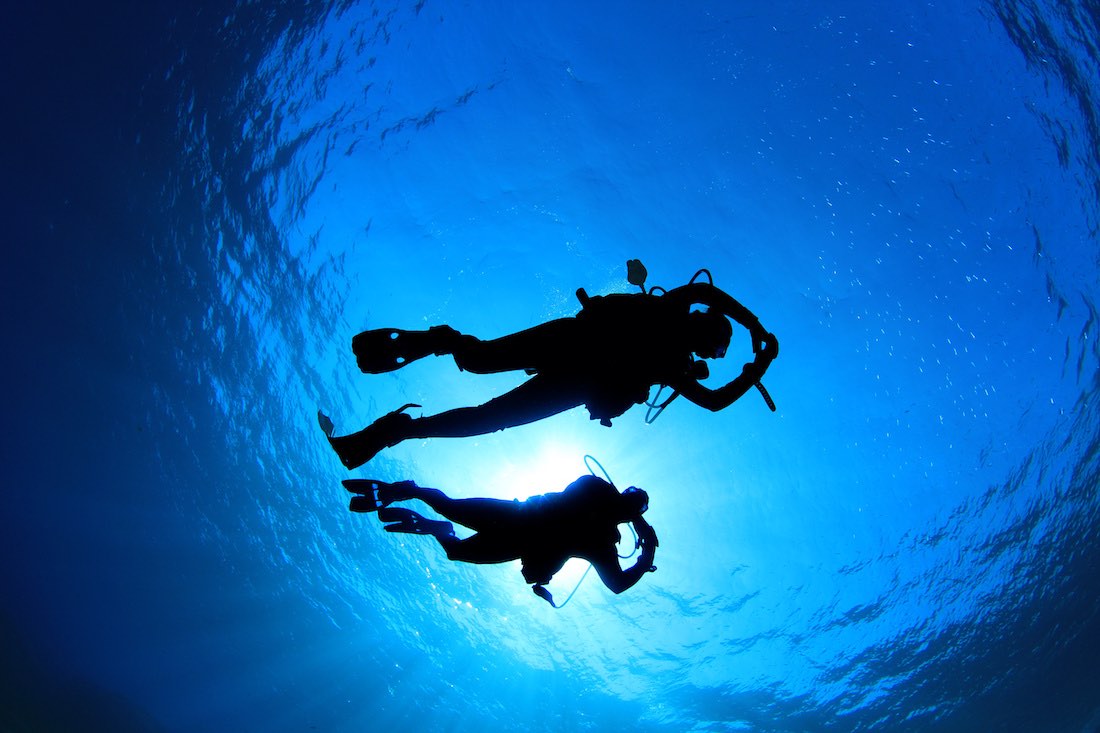
During the PADI Advanced Open Water course, buoyancy training is developed even further, helping you progress from a newly certified diver into someone with stronger, more refined diving skills. Advanced buoyancy control allows you to hover effortlessly, move with precision, and handle a wider range of underwater environments with greater confidence and awareness.
Buoyancy is not only important for your own comfort and safety—it is also essential for protecting the marine environment. As divers, we have a responsibility to minimise our impact on the underwater world at all times. You may have heard the phrase, “Take only photos, leave only bubbles.” This reflects the importance of respecting the ocean by not touching, collecting, or disturbing marine life, and by ensuring we leave nothing behind, including rubbish or debris.
Good buoyancy plays a major role in this. It helps prevent accidental contact with delicate coral reefs, seabeds, and marine life, while also reducing the risk of damage caused by fins, equipment, or poor positioning underwater. Becoming a better diver means becoming a more responsible one, and strong buoyancy control is at the heart of both.
Take Only Photos & Leave Only Bubbles
To achieve strong buoyancy control, the first step is ensuring that all of your equipment is properly streamlined. Loose gauges, dangling accessories, or poorly fitted gear can affect both your balance and your awareness underwater. From there, maintaining good horizontal trim and keeping a safe distance from fragile coral and marine life allows you to move more efficiently while reducing your environmental impact.
Equally important is being constantly aware of your body position, as well as your fin and arm movements. Small, careless movements can easily result in accidental contact with delicate reef structures or marine life, so control and awareness are essential on every dive.
The Peak Performance Buoyancy Adventure Dive is one of the elective dives available during the PADI Advanced Open Water course. While it is not compulsory, it is one of the dives we strongly recommend every student chooses as part of their three electives. It not only creates a noticeable improvement in overall diving ability, but it is also one of the most enjoyable and rewarding training dives in the course.
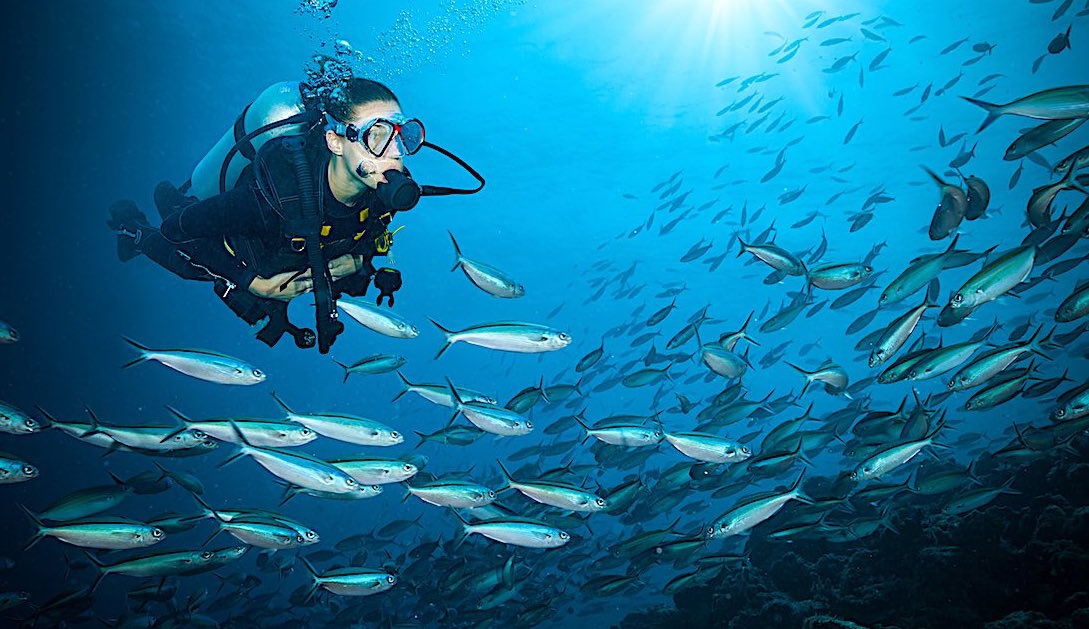
Around Koh Tao, sites such as Buoyancy World and Junkyard Reef provide excellent environments for buoyancy practice, with Artificial structures specifically placed to help divers refine control, positioning, and confidence underwater in a safe and engaging way.
Advanced Open Water Course – Thinking like a Diver
As you gain experience, you learn how to think more like an experienced diver, which improves your abilities, skills and confidence. In general, there are 4 central dive skills that shape a diver’s thinking:
- Planning dives with secondary objectives
- Situational awareness
- Managing task loading
- Good dive habits
For every dive, the primary objective is always the same: to return safely. Everything else—whether it is exploring a new site, improving a skill, spotting marine life, or reaching a greater depth—comes second to safe and responsible diving.
As divers gain more experience and confidence, their goals naturally begin to expand. They want to explore further, develop stronger skills, and take on new underwater challenges. The PADI Advanced Open Water course is designed for exactly this stage of progression, helping divers build the knowledge, confidence, and practical ability needed to safely enjoy more advanced and rewarding dive experiences.
Increase Confidence & Advanced Diver Skills
Secondary objectives often influence the overall dive plan, which is why they must be considered carefully before entering the water. For example, a night dive requires different procedures, communication methods, skills, and environmental awareness compared to a standard daytime dive. Proper preparation ensures these added challenges are managed safely and effectively.
It is important to remember that these are called secondary objectives for a reason—they should never come at the expense of safety. No goal, whether it is reaching a certain depth, completing a task, or seeing a specific marine animal, should push you beyond safe diving limits. Good divers always prioritise sound decision-making over chasing an objective.
As your experience and training develop, your situational awareness naturally improves. As a newer diver, much of your focus is placed on yourself as you learn unfamiliar skills and build confidence underwater. Once those foundational scuba skills become more automatic, it frees up mental capacity, allowing you to become more aware of your buddy, your surroundings, and the overall conditions of the dive. This shift is a major step in becoming a stronger, safer, and more capable diver.
Learn New Skills as an Advanced Open Water Diver
There are 9 elements you need to consciously monitor and in the Advanced Open Water course we will discuss these further, so you can maintain effective situational awareness. The 9 elements are: no stop time, gas management, environment, equipment, hazards, depth, navigation, buddy system and secondary objective. Managing task loading means knowing what to do first when a situation occurs. The Dive First, Situation Second, Communicate Third strategy will allow you to respond faster, better and with reduced stress. All these points will be thoroughly explained and will contribute to the Thinking Like a Diver state of mind.
Thinking Like A Diver – Advanced Open Water Course
Good dive habits will lead to being able to better handle certain situations, as people tend to react to a situation out of habit. These habits are learned primarily through training and you retain them through continuous practice. Training will help you prevent or manage problems or it can help to reduce the chance of making a mistake. We are all human, so of course we will make mistakes, but the key is to learn from those mistakes and develop them into good dive habits for the future.
Advanced Open Water Course – Dive computer use
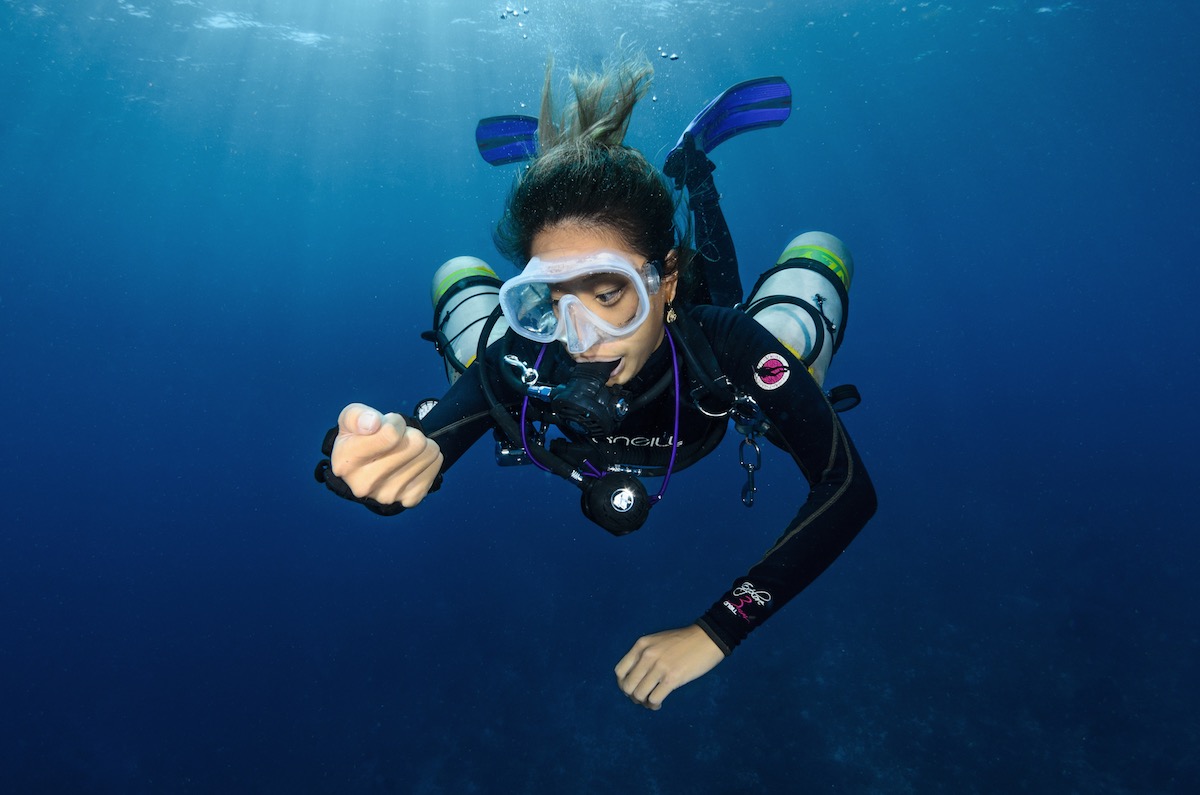
Nowadays, dive computers are very common when participating in scuba diving activities, but this was not always the case. If you have completed your Open Water certification recently, you may have used them during your training. If it has been several years since your entry-level course, you may remember having used dive tables, which were commonly used in the past. Whether it is still fresh in your mind or not, our Dive instructors will give you a full orientation on the use of our dive computers.
Dive Computers & Advanced Diving Skills
Dive computers are included in the rental equipment we offer to all our divers and in all of our diving courses. There are many different manufacturers of dive computers and it is important to familiarize yourself with the functions and limitations of computers. They offer great benefits in many areas such as monitoring your ascent rate and displaying your no stop time. All of this will improve diver safety. Dive computers are now an indispensable piece of dive equipment, so it is of great value to able to learn more about them in this course.
Advanced Open Water Course – Learning Other Skills
As previously mentioned, you will make 2 compulsory (Deep & Underwater Navigation) and 3 elective dives for the PADI Advanced Open Water certification. Depending on what dives you choose you will learn many more skills during your course that can be useful in the future. You can expect to learn a wide range of useful and valuable diver skills during your training for the Advanced Open Water course certification.
Learn Valuable Skills to be a more Confident Diver
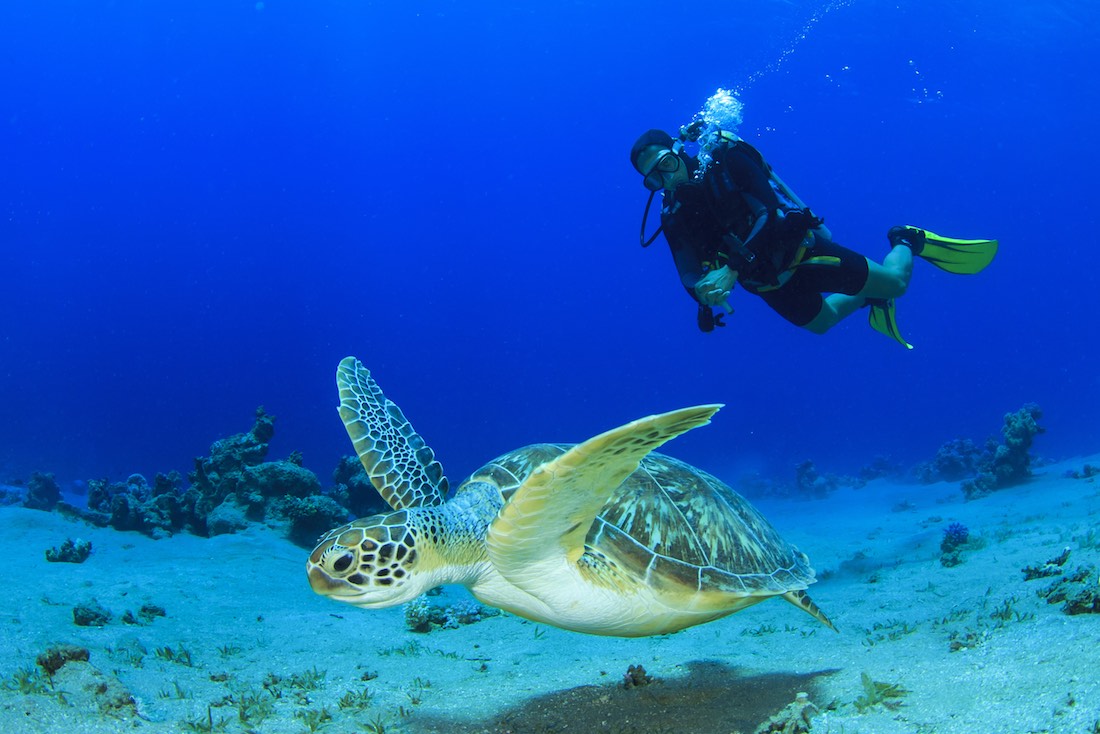
Depending on the dive you might learn how to tie knots, how to use a lift bag, how to take underwater photos, how to identify fish and other marine life, wreck diving, diving at night, boat diving skills and much more. The PADI Advanced Open Water course will further develop your skill set and confidence, making you a better and more competent diver. This excellent course opens up new opportunities and activities for you at hundreds of dive sites all around the world. After completing the Open Water Course and acquiring a taste for diving, we suggest not waiting too long before taking this next step. You will not be disappointed.
How to get your Kids & Family into Scuba Diving
10 Scuba Diving Signals Every Diver Needs to Know
BOOK COURSES – PRICES