PADI Divemaster & Conservation Program
The Marine Conservation Divemaster Program is a professional-level internship that integrates PADI leadership training with an intensive scientific diving curriculum.
Candidates learn to lead certified divers and assist instructors while simultaneously managing reef monitoring projects, coral nursery maintenance and collecting data with our ecological monitoring program.
This is the ultimate dual-path career program; you graduate as a highly employable PADI Professional with a specialized niche in environmental stewardship and citizen science.
Marine Conservation Divemaster Program on Koh Tao
Become a professional PADI Divemaster with a specialized focus on marine science. This immersive 8-week program in Koh Tao, Thailand, combines world-class PADI Divemaster training with scientific diving and reef ecology modules.
Led by our in-house Marine Conservationists, candidates gain hands-on experience in coral reef restoration, ecological monitoring, and citizen science initiatives, graduating as dual-qualified dive leaders and marine conservationists.
Program Overview
Our Marine Conservation Divemaster Program is a comprehensive 8-week course that combines PADI Divemaster training with intensive marine conservation education.
This unique program is designed for passionate divers who want to become professional dive leaders while making a positive impact on our oceans.
You will progress from a recreational diver (or non-diver) to a certified PADI Divemaster, all while gaining specialized skills in reef ecology, conservation practices, and scientific diving.
By the end of the program, you will not only be a qualified Divemaster able to lead and assist divers, but also a knowledgeable marine conservationist capable of conducting reef surveys, participating in restoration projects, and leading conservation initiatives.
This program is structured to blend theory and practice in both diving leadership and environmental science.
Through classroom sessions, hands-on workshops, and lots of diving, you will explore the ecology of coral reefs, learn how to monitor and protect marine life, and even carry out an independent research project.
Divemaster Conservation Training on Koh Tao
The training takes place on Koh Tao – a tropical island renowned for its vibrant coral reefs and diverse marine life – providing the ideal outdoor laboratory for your learning.
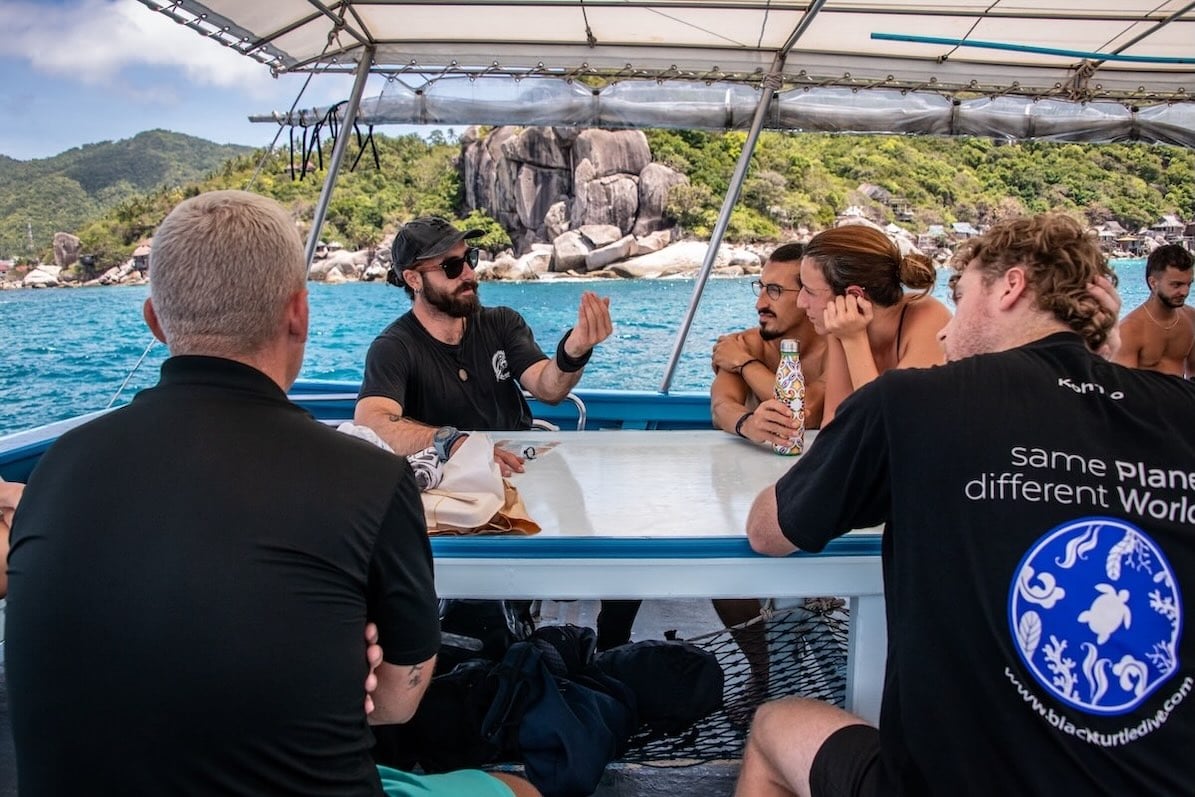
Throughout the course, you’ll be mentored by experienced PADI Diving instructors, Conservation Diver Instructors and Marine Scientists, ensuring a professional, supportive learning environment as you develop your skills.
The tone of the program is professional and informative, reflecting the seriousness of Divemaster training, yet it remains inspiring and purpose-driven, focusing on conservation impact.
Become A Dive Leader
Whether you’re aiming for a career in the dive industry or seeking to contribute to marine conservation globally, the Marine Conservation Divemaster Program offers the best of both worlds.
It prepares you to be a competent dive leader and an active ocean advocate, so you can travel the world as a PADI Divemaster and engage in marine conservation efforts wherever you go.
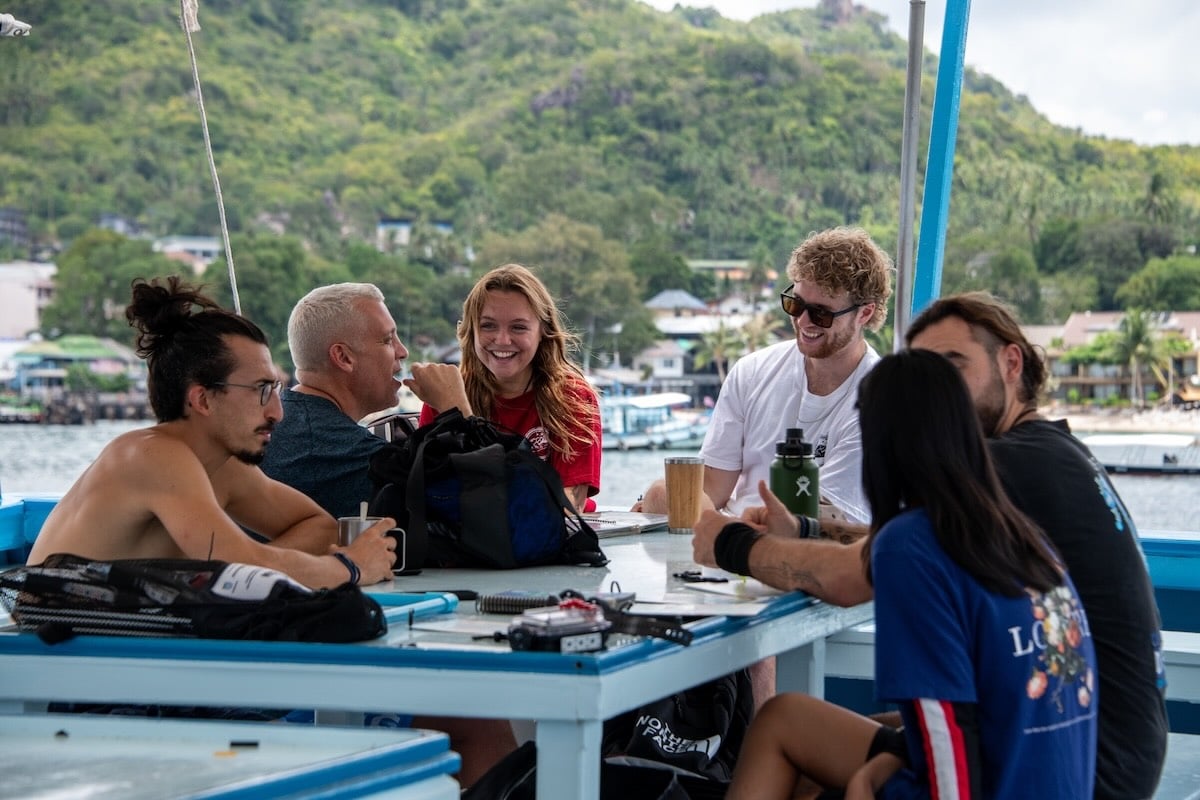
Below is an overview of the program structure, key components, and what you can expect to achieve.
Divemaster Program Schedule
The program follows an eight-week schedule that progresses from professional level divemaster and real-world experience during the first four weeks onto foundational marine conservation training.
All programs start on the 1st and 16th of every month, giving you the flexibility to begin your training when it suits you best. If you need to pause or adjust your schedule, we can accommodate this – our programs are designed to support different timelines and learning needs.
Each week has specific themes and milestones, building on the previous one.
Week 1: Divemaster Skills Training & Leadership Development
Focus: Commencing PADI Divemaster coursework.
Divemaster Orientation & Water Skills: On Week 1, you officially start the PADI Divemaster course
You’ll have an orientation to the professional roles and responsibilities of a Divemaster. This includes workshops on the Divemaster skill circuit – the set of 24 scuba skills you must perform to demonstration quality.
Our program emphasizes doing these skills neutrally buoyant (not kneeling on the seabed) to mirror real dive conditions and instill best practices.
Fluid Mechanics Buoyancy Training
You will practice demonstrating skills underwater with proper technique and control, guided by our instructors, as part of the ongoing buoyancy and skills workshops.
Advanced Workshops: Throughout Week 1, expect hands-on sessions like the Rescue skills refresher and navigation exercises, which are crucial for dive leadership.
You’ll also continue the Fluid Mechanics buoyancy training to achieve expert-level trim and positioning. By honing these abilities, you’re preparing to assist student divers and lead certified divers confidently.
Divemaster Leadership Role
PADI Divemaster Workshops
You’ll also practice organizing dive briefings, guiding certified divers on fun dives, and managing diver logistics. Each scenario is debriefed to reinforce what went well and what can be improved, building your confidence as a leader.
Leading Dives: By mid-week, you will likely conduct your first leadership dives, acting as the dive leader for a group of fellow trainees or instructors role-playing as customers.
This is an invaluable practice for coordinating groups underwater, maintaining situational awareness, and ensuring safety – all core responsibilities of a Divemaster. Expect constructive feedback aimed at making you a polished dive leader.
Week 2: Dive Operations & Conservation Integration
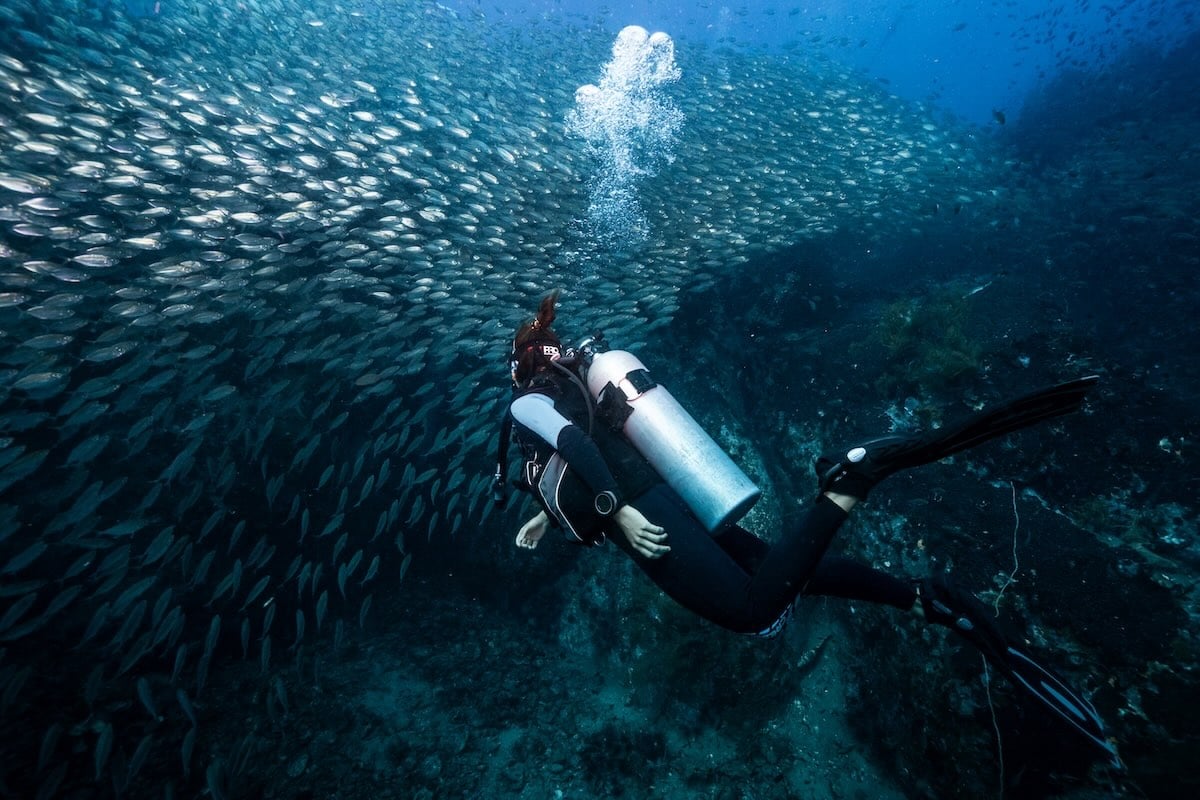
Focus: Completing Divemaster knowledge development and practicing leadership scenarios, alongside ongoing conservation activities.
Divemaster Theory and Exams: Week 2 includes classroom study to cover all Divemaster theory topics (dive physics, physiology, environment, equipment, etc.).
You will complete the PADI Divemaster exams and knowledge reviews during this week. Our senior diving instructors hold review sessions to help solidify your understanding and answer any questions.
Successfully passing these exams is a major milestone, demonstrating your grasp of dive theory at a professional level.
Workshops and Scenarios: You will engage in practical workshops that simulate real Divemaster duties.
These include Search & Recovery dives (learning how to conduct underwater search patterns and lift objects with lift bags) and Deep Dive planning, as well as workshops on supervising Discover Scuba Diving experiences and refresher courses (ReActivate program).
Conservation for Professionals: Even as you delve into Divemaster training, conservation remains front and center.
We conduct a seminar on Conservation for Dive Professionals, exploring how dive leaders can champion marine protection. You’ll learn about sustainable dive practices, how to brief divers on environmental guidelines, and ways a dive center can run eco-friendly operations.
Get Involved in Citizen Science Projects
We also introduce Citizen Science initiatives this week – for example, how divers contribute to programs like reef health monitoring or global databases. This broadens your perspective on how you can stay involved in marine conservation beyond this program.
Reef Restoration Project: A special activity in Week 2 is participating in a Coral Restoration Project.
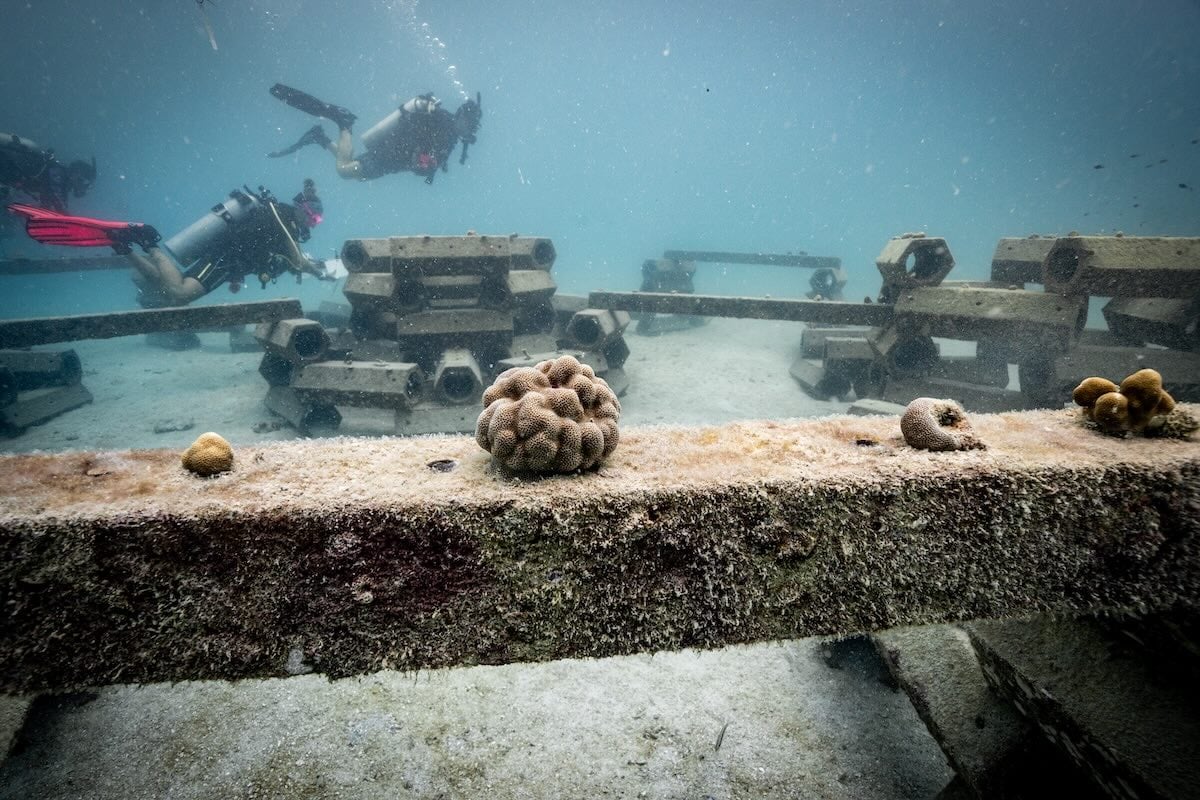
Koh Tao has several coral nursery and reef rehabilitation projects, and under instructor supervision, you’ll get involved in maintaining a coral nursery or cleaning up a degraded reef section.
By the end of Week 2, you’ll be balancing both Divemaster responsibilities and project research – much like a real-world marine conservation professional may do.
Conservation Engagement: Parallel to the leadership training, you remain involved in conservation tasks.
For instance, one afternoon you may assist with an Ecological Monitoring survey dive for new conservation students or help organize a beach cleanup event for the local community.
Divemaster & Conservation Mentorship
These experiences reinforce your ability to multitask and incorporate conservation into everyday diving operations. They also highlight your role as an eco-conscious dive leader who leads by example.
By the end of Week 2, you’re very close to the finish line for the Divemaster course.
Week 3 & 4: Divemaster Internship Practicum
Focus: Gaining real-world experience by assisting instructors and refining all skills.
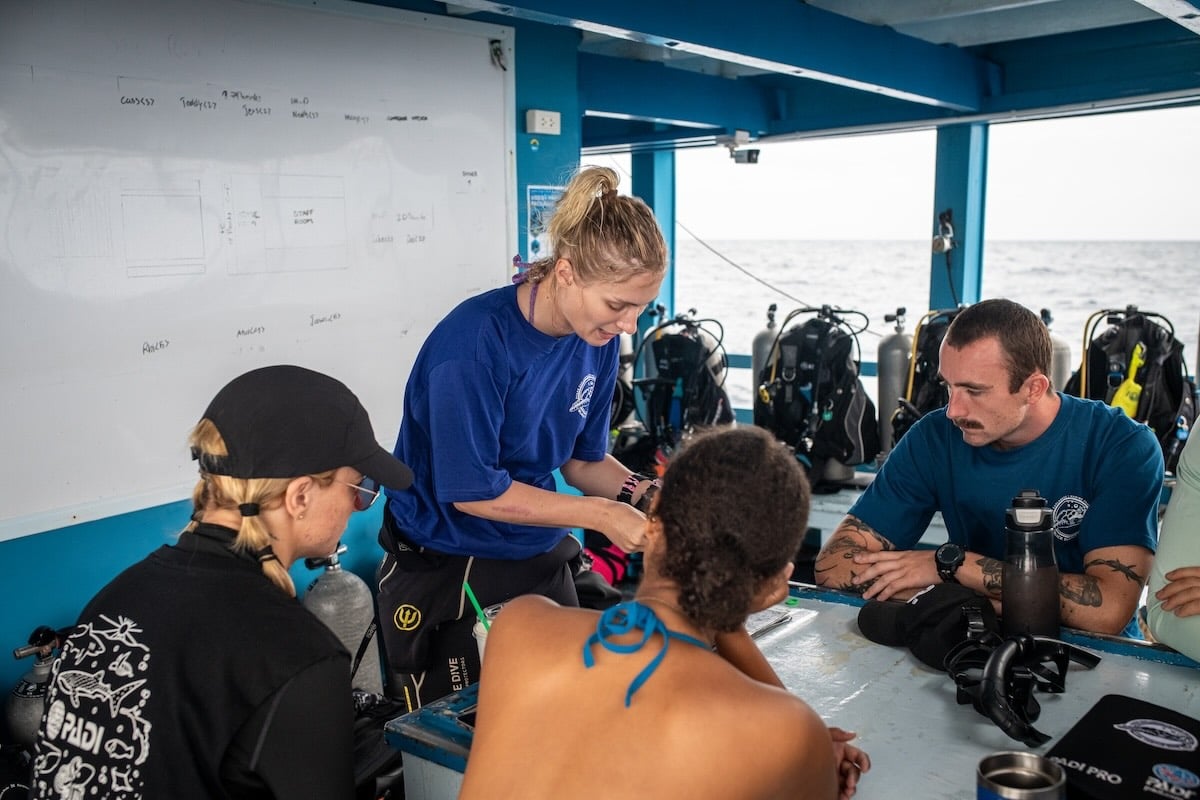
Assistant Teaching Experience: In Week 3, you shift into the role of a Divemaster trainee intern, assisting on actual courses.
Under supervision, you will help our instructors with student divers in courses such as PADI Open Water, Advanced Open Water, or Rescue Diver.
This is where you apply everything you’ve learned about demonstrating skills, managing groups, and ensuring student safety.
Real World Dive Leader Experience
For example, you may lead a group of Open Water students on the dive site tour portion of a training dive, or handle surface support and student coordination during a Rescue scenario.
Leadership & Professionalism: Each assist is followed by feedback, allowing you to continuously improve your communication, problem-solving, and people-management skills.
By working with real students, you learn how to adapt to different divers’ needs, identify and correct common problems (like buoyancy issues), and provide encouragement and excellent customer service.
Role Model Behaviour
You’ll start to embody the role-model behavior expected of a dive professional, both in and out of the water.
Divemaster Exams & Certification
Focus: Final assessments, project presentation, and preparing for post-program opportunities.
PADI Divemaster Completion: In the final week, you wrap up any remaining requirements for your PADI Divemaster certification. This may include water endurance exercises (swim and float tests), any missed workshops, or a final mock dive briefing/leading exercise to demonstrate your competence.
By this point, you will have been evaluated in all areas and will polish any last details under the mentorship of our instructor team. Once everything is successfully completed, you will be certified as a PADI Divemaster, the first professional level in scuba diving.
Best Divemaster Training Program in Thailand
Week 5: Marine Ecology Foundations & Buoyancy Mastery
Focus: Laying the groundwork in marine science and perfecting dive skills.
Marine Ecology Introduction: Begin with an introduction to tropical marine ecosystems and conservation issues. In interactive lectures, you’ll explore how coral reef communities’ function and the challenges they face, from coral bleaching to overfishing. This gives you a solid ecological context for all your diving activities.
Buoyancy Workshop: As a future dive professional, excellent buoyancy control is essential. You will participate in our Fluid Mechanics buoyancy workshop, a multi-level training that fine-tunes your ability to hover and move effortlessly underwater.
Neutral Buoyancy
By mastering neutral buoyancy and proper finning techniques, you learn to minimize your impact on the reef while diving.
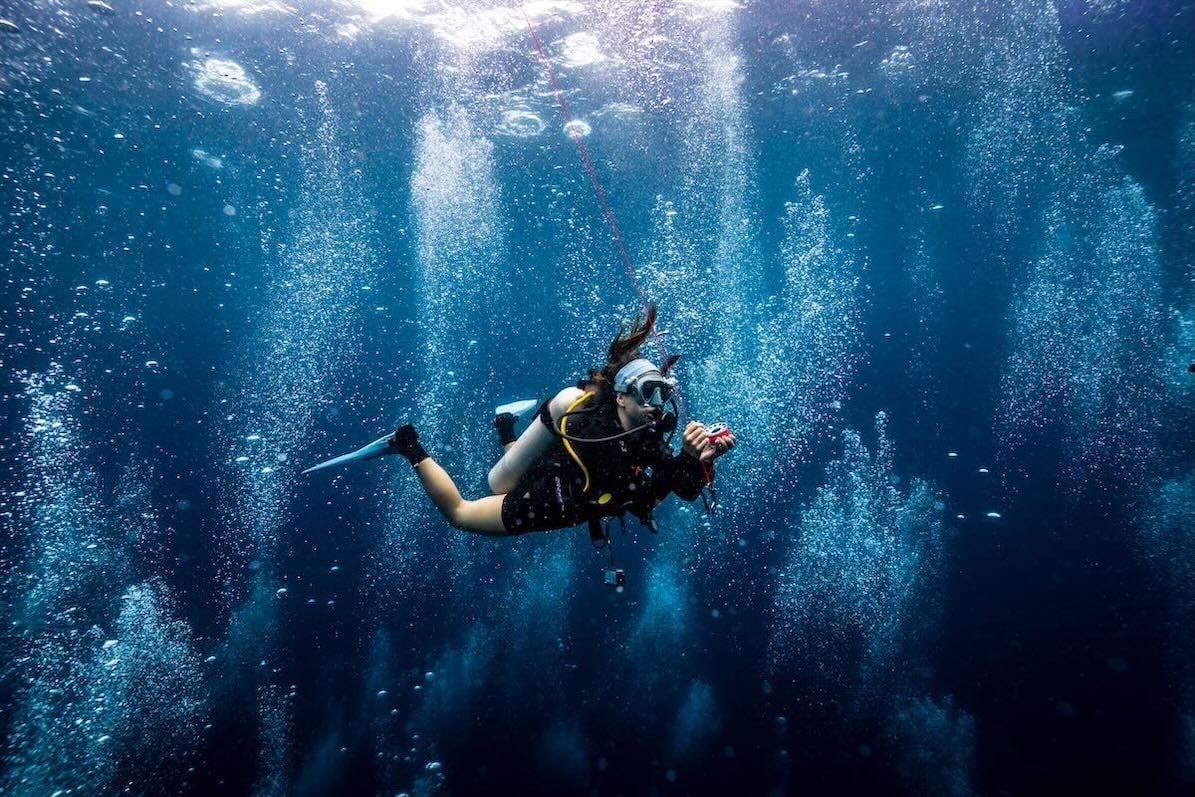
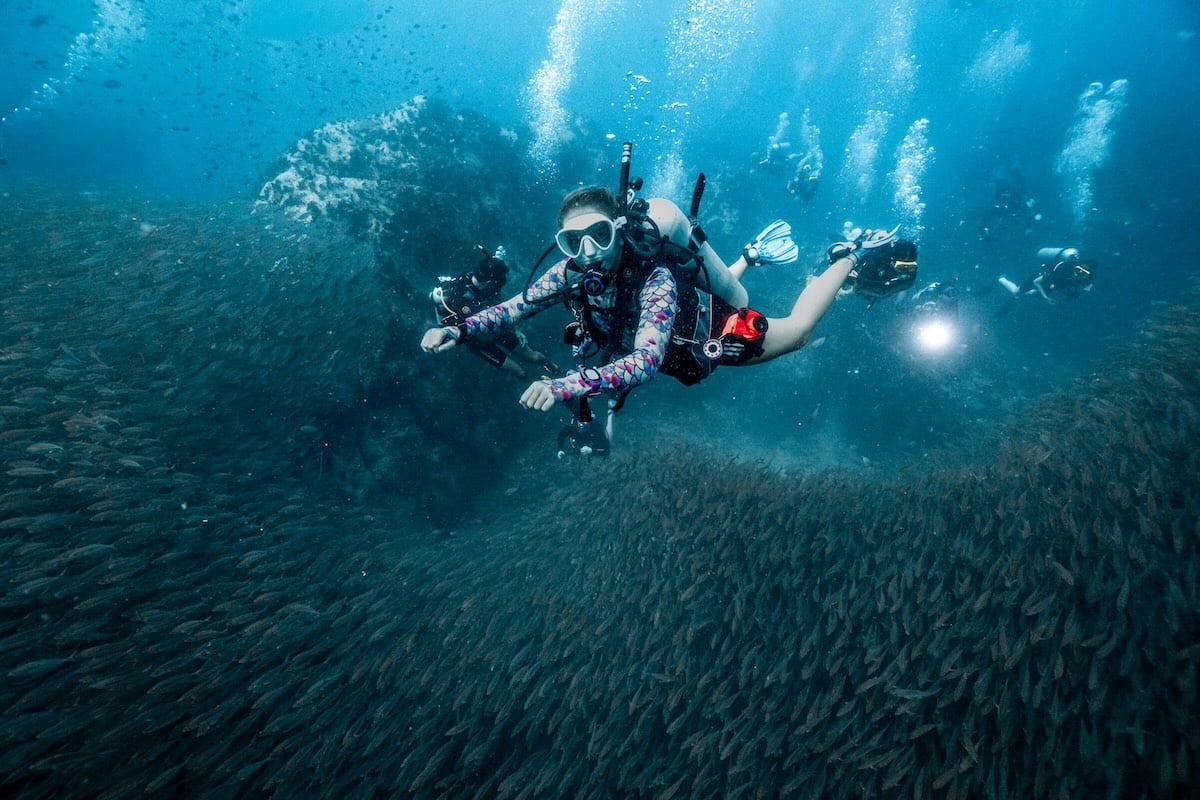
Reef Survey Training: Towards the end of Week 5, we introduce the Ecological Monitoring Program (EMP). You’ll start learning how to identify key reef fish and invertebrates common around Koh Tao.
Classroom sessions on fish and invertebrate identification are complemented by an orientation Reef Safari dive, where you practice recognizing different fish families, coral types, and other marine life in their natural habitat.
This is your first taste of scientific diving, and you’ll begin to understand how to gather data underwater in a safe and controlled manner.
Independent Project Initiation: By mid-week, you’ll start formulating your Independent Project – a research or conservation project of your own design.
With guidance from our team, you will choose a topic that interests you (for example, surveying a particular species, improving reef restoration methods, or creating educational materials).
Late in Week 5, time is allocated for initial project development. You may conduct preliminary dives or observations related to your project.
Independent Project
This independent project runs throughout the program, allowing you to apply what you’ve learned in a meaningful way.
Assessment Dives: At the end of Week 5, you’ll undergo a set of assessment dives to evaluate your progress in the conservation modules.
One assessment may involve performing an EMP survey dive, where you demonstrate proper fish and invertebrate survey techniques and accurate data recording.
Another may test your coral identification skills on a real reef. These assessments are not high-pressure exams, but rather guided dives where instructors give you feedback, ensuring you are confident and prepared to move forward.
Week 6: Advanced Survey Techniques & Conservation Research
Focus: Expanding conservation skills and kicking off your independent project.
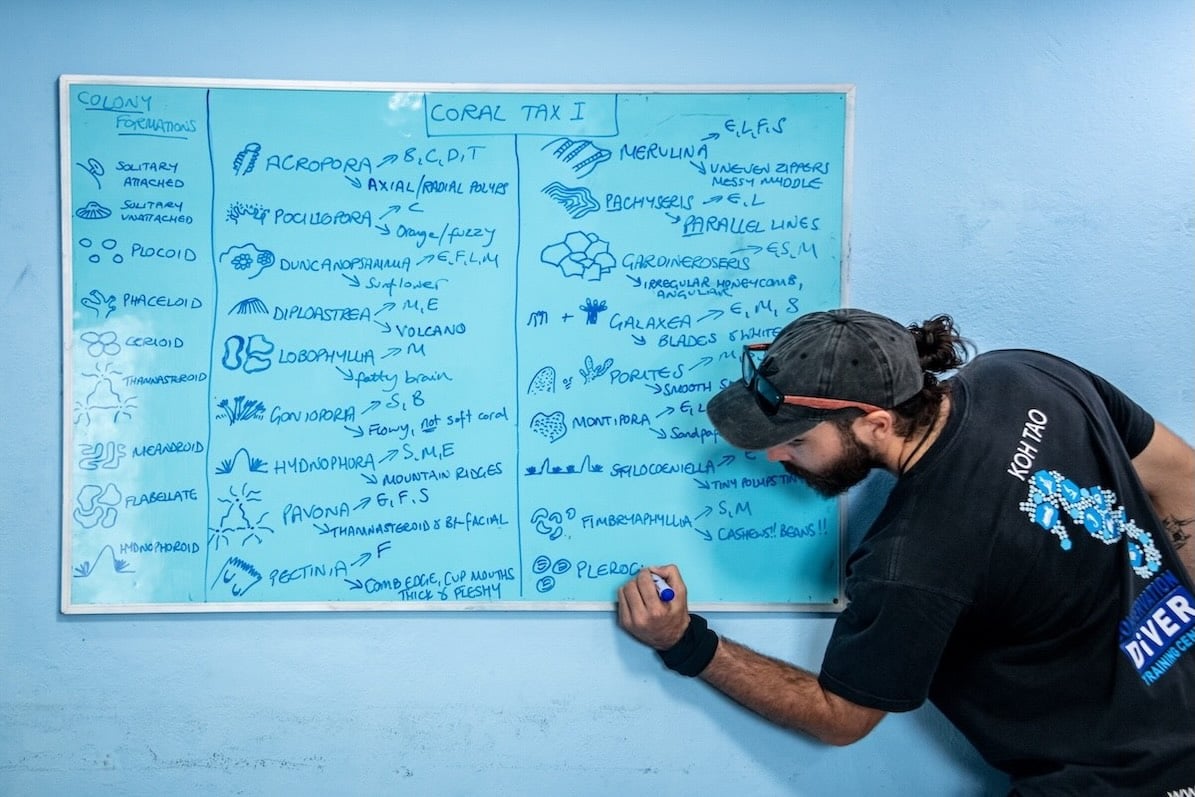
Coral and Species Identification: This week, you dive deeper into more specialised and detailed conservation topics. A Coral Taxonomy & Identification module (Parts I & II) teaches you how to distinguish various coral genera and assess reef health.
You’ll apply this knowledge during taxonomy dives, where you identify coral types and note signs of coral health or stress.
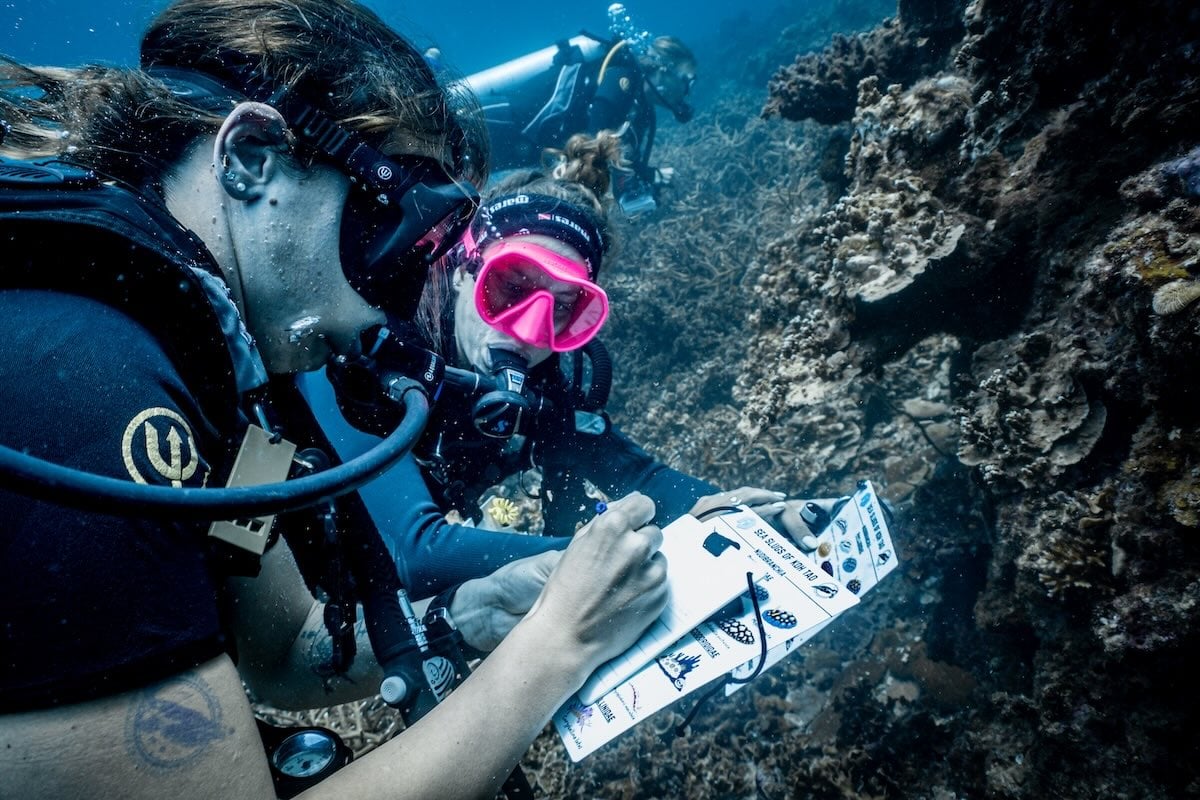
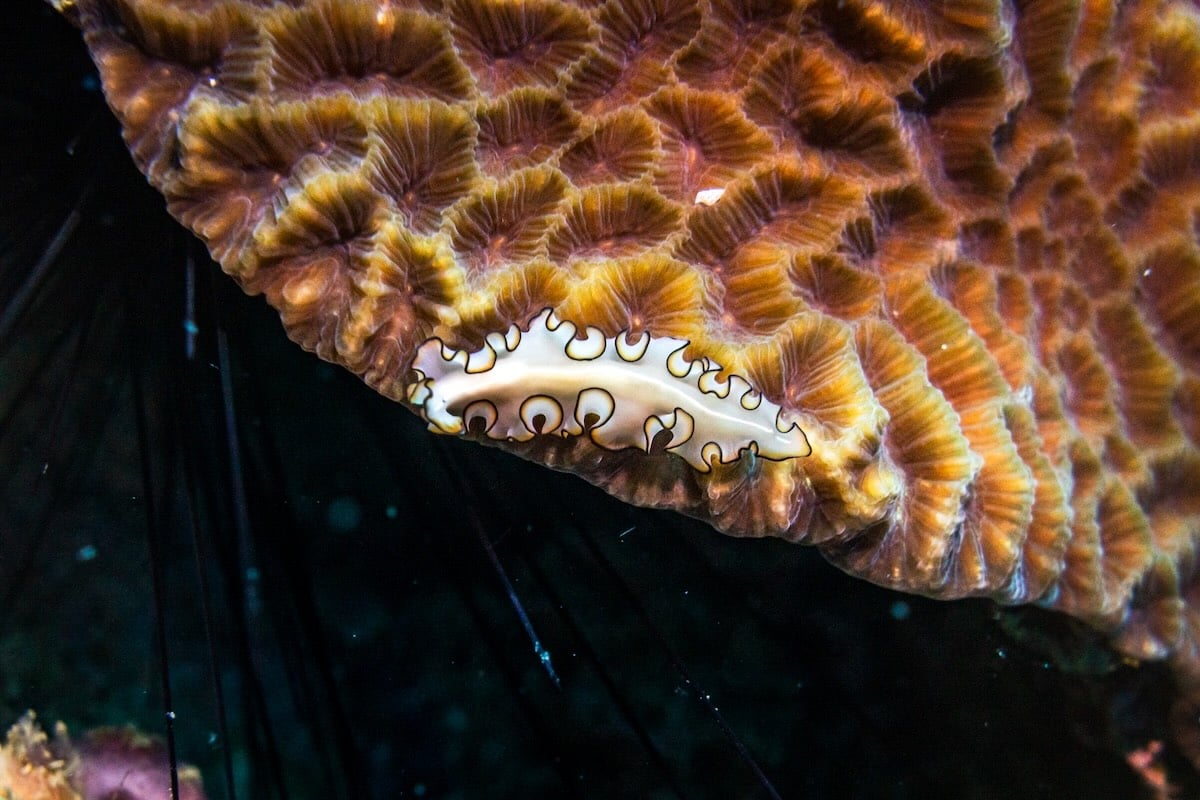
Additionally, you’ll attend the Black Turtle Dive Sea Slugs Ecology lecture – an in-house specialty session exploring nudibranchs (sea slugs) – followed by guided sea slug identification dives.
Learn Essential Research Skills
These activities sharpen your observational skills and contribute to ongoing research (as we log sightings for our internal studies).
Sea Turtle Ecology & Monitoring: Another highlight is the Sea Turtle ecology lecture. You’ll learn about the biology and conservation of sea turtles found around Koh Tao.
To put theory into practice, you take a snorkel trip to observe sea turtles in the wild, practicing non-intrusive monitoring techniques.
Understanding these charismatic animals’ behavior and threats is crucial for any marine conservationist, and this knowledge enhances your ability to educate future divers.
Project Finalisation: Towards the end of Week 5, you’ll finalise your independent project’s analysis and prepare your presentation.
By now, you should have all your data collected and interpreted. You will work on summarizing your findings, crafting recommendations or conclusions, and perhaps practicing how you will present it to your peers and instructors.
This hones your ability to communicate scientific information – a skill that can set you apart in the dive industry.
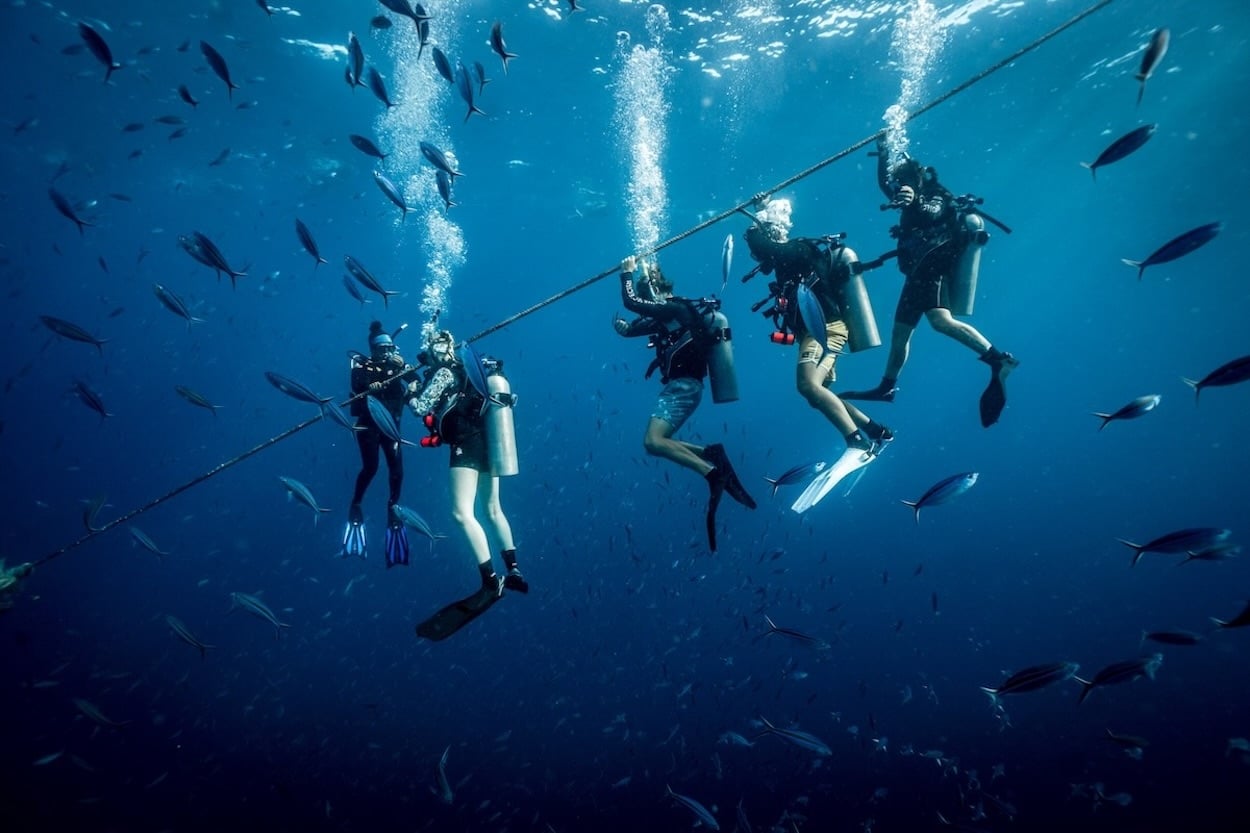
By the close of Week 6, you will have earned several conservation specialty certifications (such as the Ecological Monitoring Program, Coral Survey Techniques, Sea Turtle Ecology, and the Black Turtle Dive Sea Slug Certification) as recognition of your new expertise.
Weeks 7 & 8: Certification & Capstone Achievements
Marine Conservation Diving Program
Just like with your PADI Divemaster assists, in week 7 you will also assist in our marine conservation courses, supporting both students and instructors.
This includes helping students with questions, preparing conservation materials (slates, reels, sampling tools), assisting during classes, and participating in course-related dives.
This week you will assist on some conservation dives for newer students, acting as a guide and demonstrating your combined expertise in dive leadership and marine biology.
Continued Conservation Activities: We keep you engaged with our ongoing marine conservation efforts. You may join our team for a weekly reef monitoring dive, a shark population survey at a nearby site, or a community outreach event.
These activities reinforce that even as you focus on core Divemaster tasks, maintaining involvement in environmental initiatives is part of being a well-rounded dive professional.
Diving Experience: Over the course of the program, you will have logged a significant number of dives. By Week 4, many candidates easily surpass the minimum 60 logged dives required for Divemaster certification.
The program includes a generous number of training and fun dives – from the 14+ conservation dives in the second month to additional exploration and skill practice dives – ensuring you gain extensive experience in various conditions.
PADI Divemaster Conservation Course
These combined experiences are essential for understanding the instructor–divemaster dynamic, gaining confidence in real teaching environments, and learning how to integrate conservation into everyday professional diving.
Independent Project Presentation: A major highlight of Week 6 is the presentation of your independent conservation project.
You will deliver your findings to the group – explaining your project’s goal, the methods you used, the data you gathered, and the conclusions or insights you discovered.
This is a chance to showcase your research and contribute knowledge or ideas to our conservation efforts. It’s a proud moment that celebrates your growth as a researcher and dive professional.
Often, fellow team members and instructors will have a Q&A afterward, simulating a real-world scenario of reporting to a scientific or community audience.
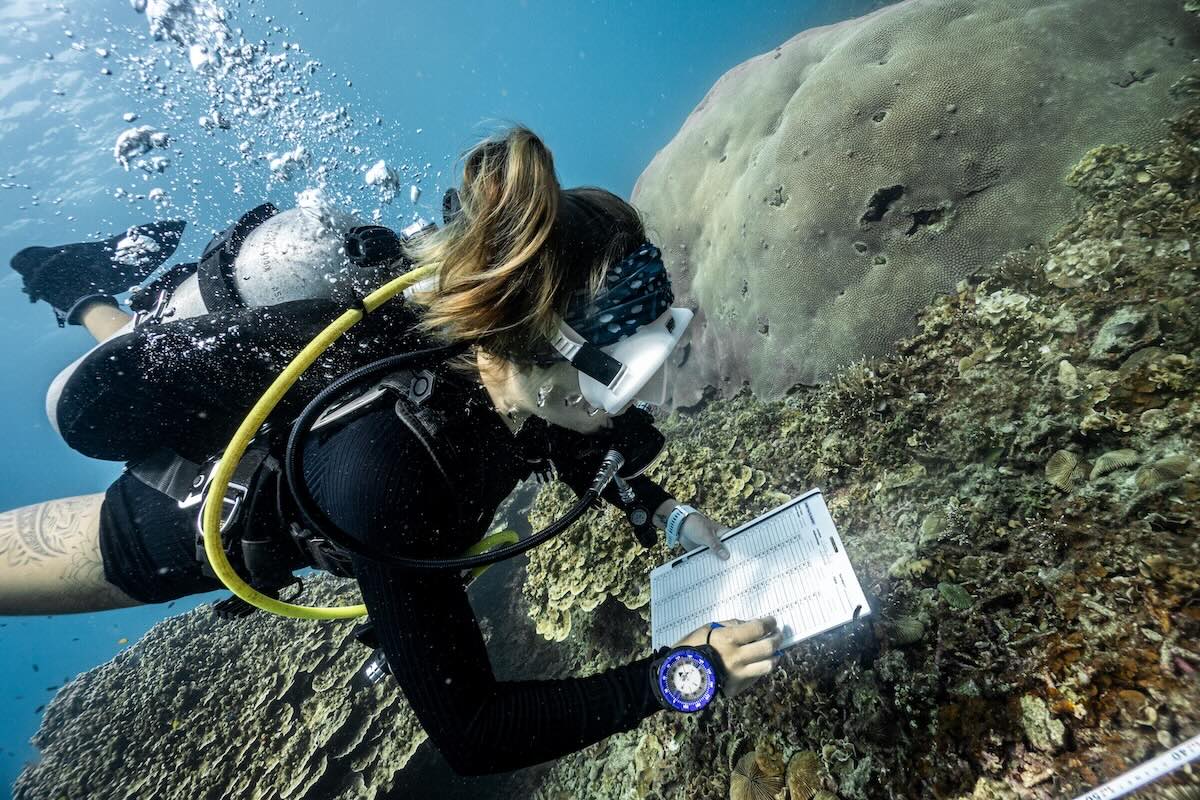
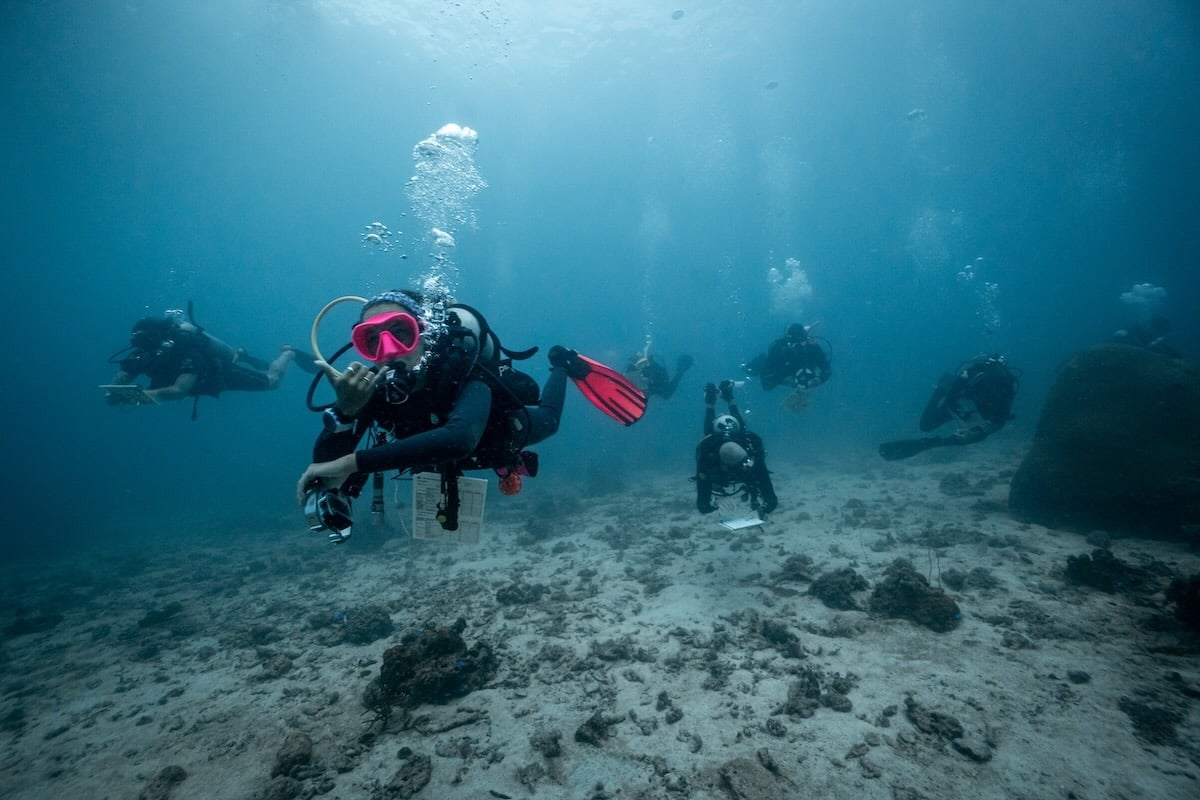
Survey Participation & Leadership: Throughout your Divemaster training, you will take an active role in conservation fieldwork by joining at least 10 ecological surveys alongside our conservation team.
These surveys may include sea slugs, crown-of-thorns assessments, coral restoration follow-ups, turtle or shark monitoring, and EMP methodologies.
Conduct Surveys
Toward the end of the program, you will step into a leadership role by leading two full surveys yourself—one snorkel-based (such as turtles or sharks) and one diving survey (sea slugs, crown-of-thorns, restoration, or EMP).
These leadership surveys allow you to apply everything you’ve learned, demonstrate independence, and gain the confidence needed to guide real conservation activities as a future professional.
Wrap-Up and Next Steps: The program concludes with a comprehensive debrief and a look toward your future. We review key concepts one more time and ensure you are comfortable with both your Divemaster skills and conservation knowledge.
Any final exams or paperwork (such as submitting your logbook and applying for PADI membership) are taken care of. Finally, we host a graduation and celebration – a chance to acknowledge your hard work over six intensive weeks.
Conservation Specialty Certificates
You’ll receive your certifications, including PADI Divemaster and the suite of conservation specialty certificates earned.
The team will also provide guidance on how to leverage your new qualifications – whether that’s tips on writing a dive industry CV, references for job searches, or information on continuing education (like becoming a PADI Dive Instructor or taking further conservation courses).
By the end of Week 6, you graduate the program as a confident dive leader and conservation specialist, ready to make waves (and protect them) in the world.
Included in Divemaster Conservation Program
The Marine Conservation Divemaster Program is all-inclusive, covering everything you need for training and certification. Here’s what’s included when you sign up:
All PADI Courses and Certifications: The program includes all required PADI training from Advanced Open Water onward.
If you are already certified beyond a given level, we’ll start at your appropriate level; if not, we’ve got you covered.
This encompasses Advanced Open Water, Emergency First Response (First Aid/CPR), Rescue Diver, and the full PADI Divemaster course.
Upon successful completion, you will earn the PADI Divemaster certification. (Open Water training can also be integrated for those starting from scratch or with limited experience.)
Conservation Specialty Certifications: You will earn multiple marine conservation certifications during the first part of the program.
Specialist Conservation Courses
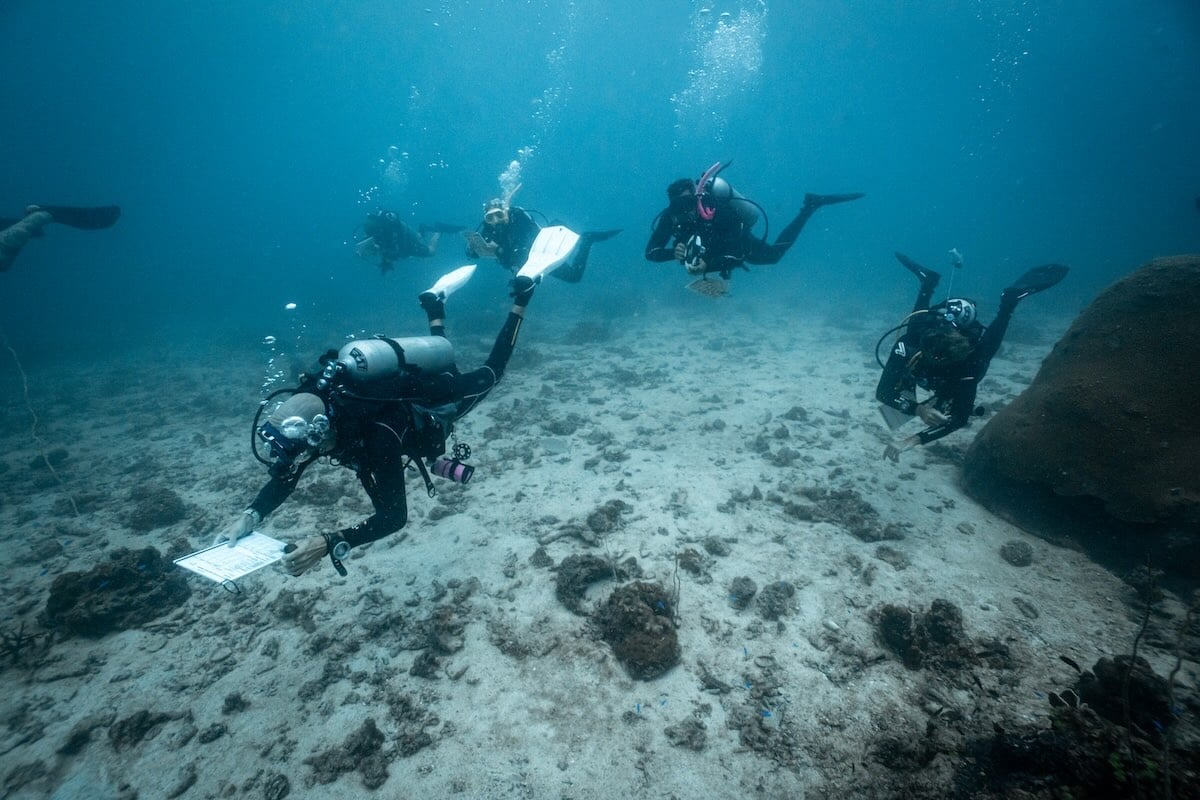
- Ecological Monitoring Program (EMP) certification (covering fish, invertebrate, and substrate survey methods)
- Coral Taxonomy & Identification certification,
- Sea Turtle Ecology & Monitoring certification
- Black Turtle Dive Sea Slug Ecology & Monitoring certification (an in-house specialty focusing on nudibranchs).
Additionally, you receive a formal Marine Conservation Divemaster Program certificate of completion acknowledging your extensive conservation training.
Dives and Practical Training: The package includes all the required training dives and workshops – and more.
You will participate in dozens of dives over 6 weeks, ranging from skill circuit practices and fun dives to survey dives, night dives, and course assist dives.
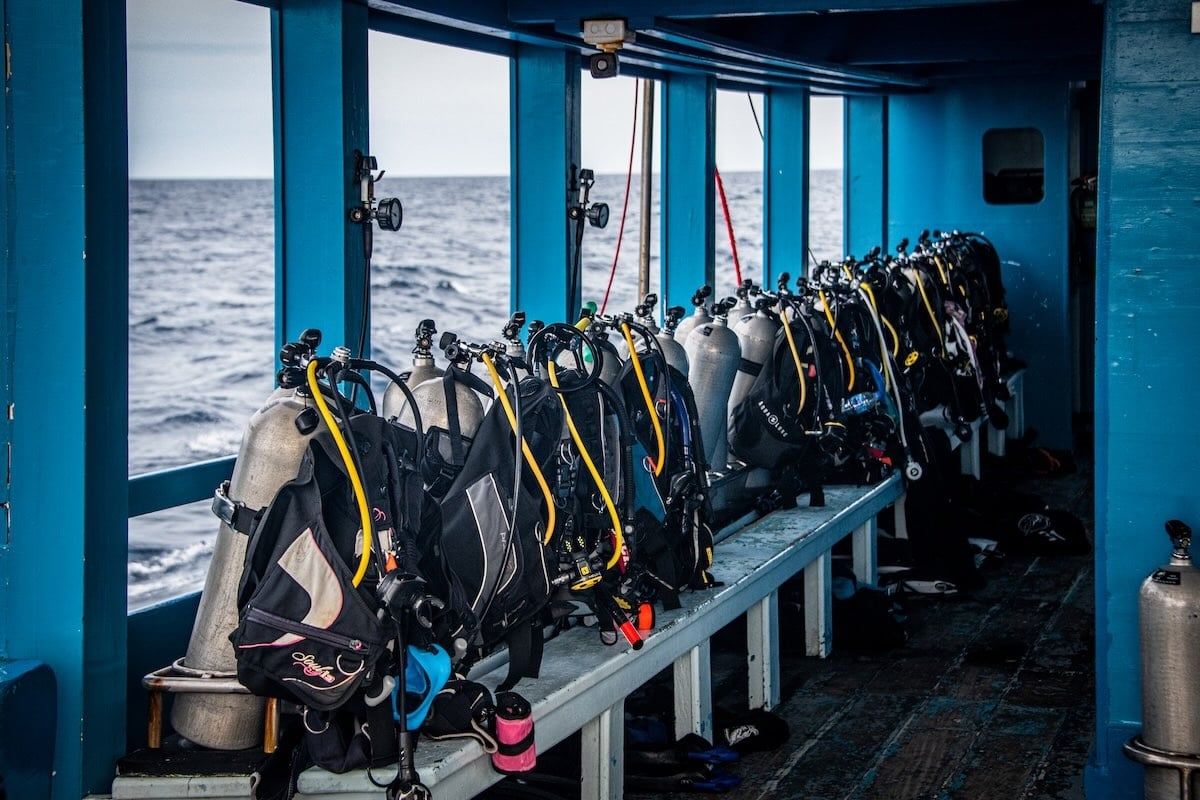
All Dive Equipment Included
All scuba equipment rental is included for the duration of the program, so you won’t need to purchase any gear (although you are welcome to bring your own if you prefer).
We also provide a Suunto dive computer on loan during your training and a dive logbook to record your adventures.
By program’s end, you’ll easily log 60+ dives, fulfilling experience requirements and giving you ample underwater time to build confidence.
As part of preparing you for professional diving, we include a set of essential dive equipment for you to keep.
Divemaster Crew Pack Includes
- Dive compass
- Delayed surface marker buoy (DSMB) with spool and clip
- Whistle
- Slate with pencil for underwater notes – all items that a Divemaster uses regularly for safety and coordination.
- Cutting tool (knife or line cutter)
- Rescue breathing mask for your personal safety kit
- Black Turtle Dive t-shirt proudly identifying you as part of our Ocean Explorers | Marine Protectors team
Educational Materials and Fees: All course materials and fees are included, so there are no hidden costs.
PADI Divemaster Digital Crew Pack
You will receive access to PADI eLearning for all core courses (so you can study theory at your own pace) the complete PADI Divemaster Digital Crew Pack, and Conservation Diver e-learning modules for the conservation certifications included in your program.
The crew pack includes the Divemaster manual, the Encyclopedia of Recreational Diving, dive planning slates, and other reference content in digital form.
We also handle your PADI certification processing fees and first-year PADI professional membership dues.
Even your required dive medical examination and diver insurance (during training) are facilitated as part of the program package, ensuring you meet all prerequisites without extra hassle.
Instruction & Mentorship
Instruction and Mentorship: Throughout the program, you’ll be guided by our highly experienced team of PADI Diving Instructors and marine conservation experts.
We maintain a low student-to-instructor ratio (no more than 4 trainees per instructor during practical sessions) to guarantee personalized attention.
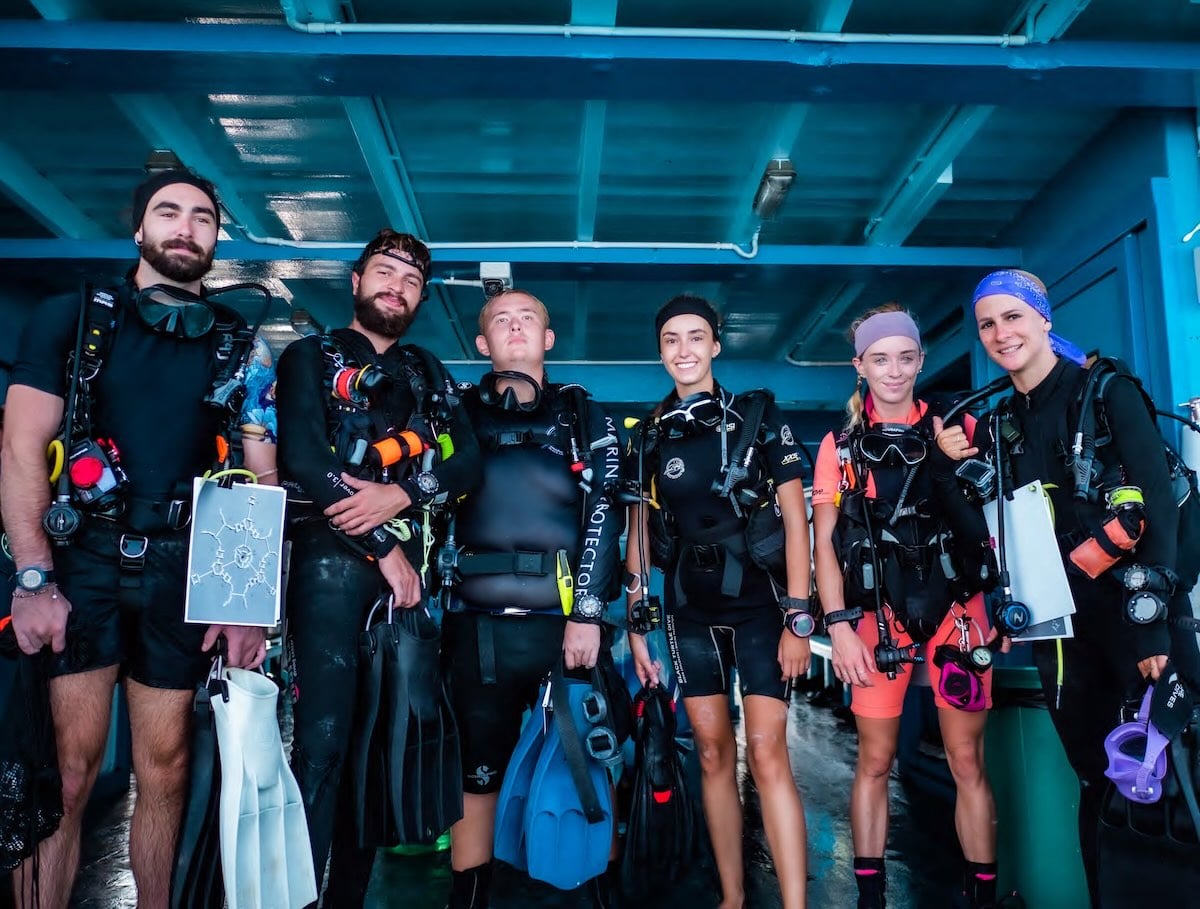
Our instructors will mentor you not only in diving skills but also in project work, career advice, and confidence-building. You become part of the Black Turtle Dive family, with support available every step of the way.
Workshops and Extra Training: We include special workshops at no extra charge that enrich your learning experience.
The Fluid Mechanics Buoyancy Lab (Levels 1-3) is one example – a series of buoyancy clinics unique to our program that elevates your diving proficiency beyond the standard curriculum.
Reef Ecology & Conservation Training
Additionally, our integrated Reef Ecology And Conservation Training (REACT) workshops are part of your Divemaster training, covering topics like coral reef ecology, conservation techniques, and local environmental challenges.
As a Conservation Divemaster trainee, you will also assist our conservation instructor during these sessions – helping guide students, supporting classroom activities, preparing materials, and contributing to the leadership of both land- and water-based conservation training.
Amazing Marine Life
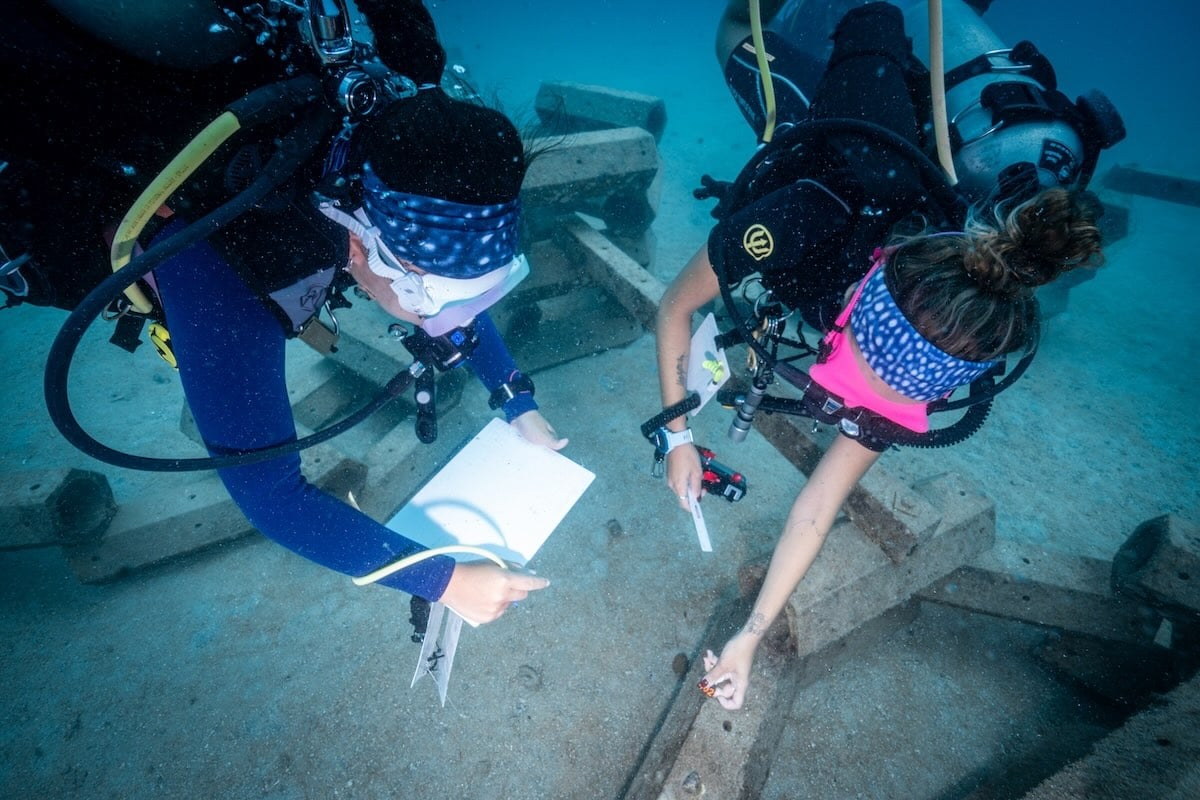
You’ll take part in activities such as Dive Against Debris underwater clean-ups, reef surveys, and presentations on marine life. These extras ensure you graduate with a holistic skill set as both a dive pro and an eco-conscious educator.
Logistics and Support: We assist with all logistics related to your training. This includes scheduling your dives and classes efficiently over the 6 weeks, providing feedback and progress check-ins.
We can help you find accommodation on Koh Tao (we can offer advice or arrangements as needed).
While personal expenses like accommodation, meals, and travel to Koh Tao are not covered in the course fee, we do provide lots of local insight to help you settle in.
Our dive center offers a welcoming environment with facilities like study areas, wifi, and a social space, making it easy to focus on learning and also enjoy Koh Tao island life in your downtime.
PADI Career Development Center
In summary, the program fee is truly comprehensive: all courses, dives, equipment, materials, certifications, and mentorship are included.
You can arrive with just your enthusiasm and dedication, and we’ll take care of the rest needed to transform you into a skilled Divemaster and marine conservation specialist.
Conservation Divemaster Learning Outcomes
By completing the Marine Conservation Divemaster Program, you will achieve a broad range of knowledge, skills, and qualifications. Here are the key learning outcomes and competencies you will gain:
Professional Dive Leadership: You will be qualified as a PADI Divemaster, which means you can lead certified divers on underwater tours, assist instructors in training courses, and independently conduct certain PADI diving courses (likeScuba Reviews or skin diver courses).
You’ll have refined your dive skills to demonstration quality, learned to manage diver safety and logistics, and developed strong leadership and communication abilities essential for supervising groups in the water.
Expertise in Marine Ecology: You will possess a deep understanding of coral reef ecosystems and marine life.
Coral Reef Ecosystems
From this program’s intensive conservation training, you’ll be able to identify a wide variety of reef organisms (fish, corals, invertebrates) and understand their roles in the ecosystem.
You’ll also develop a solid understanding of key ecological concepts.
These include reef health indicators, compromised coral conditions, species interactions, and human impacts on marine ecosystems – giving you the confidence to share accurate, responsible conservation information with others.
Conducting Underwater Research on Koh Tao
Scientific Diving & Survey Skills: You will be proficient in conducting underwater research and conservation work. This includes practical skills like underwater survey techniques, data collection, and analysis.
You’ll know how to perform fish and invertebrate surveys using standardized methods, carry out substrate (reef health) assessments, and participate in citizen science projects.
Importantly, you’ll also learn how to ensure data quality and interpret results, bridging the gap between recreational diving and scientific research diving.
Conservation Project Management
Conservation Project Management: Through the independent project component, you gain experience in project design and management.
You will learn how to formulate a research question or conservation goal, plan a method to achieve it, gather and analyze data, and present the findings.
This process develops critical thinking, problem-solving, and organizational skills. It also results in a tangible outcome – your project – which can be a great accomplishment to discuss in future job or academic opportunities.
Rescue and Safety Mastery: As part of becoming a Divemaster, you will have completed Rescue Diver training and additional emergency response practice.
You’ll be confident in handling diver emergencies, from preventing problems to responding to tired or panicked divers, and performing first aid or oxygen administration if needed.
Divemaster Dive Professional
This safety training, combined with our emphasis on risk management in both everyday diving and scientific expeditions, means you’ll be prepared to maintain high safety standards for yourself and those diving under your guidance.
Professionalism and Industry Insights: You’ll come away with a strong sense of professionalism – understanding the responsibilities of a dive professional and the ethics of marine conservation.
You’ll learn how a dive center operates, including equipment care, customer service, guiding techniques, and even basics of the business side of diving.
We also include career development sessions, so you’ll know how to market your new skills (for example, creating a diving CV and networking in the industry).
You’ll be ready to step seamlessly into roles at dive operations or volunteer projects worldwide.
Environmental Stewardship
Environmental Stewardship: Finally, a core outcome is that you’ll be an ambassador for the ocean. The program instills a conservation mindset in every aspect of your diving.
You’ll be capable of organizing eco-friendly initiatives like clean-ups or reef surveys at your future workplace, and you’ll be adept at inspiring and educating recreational divers about protecting marine ecosystems.
In essence, you’ll not only dive with minimal impact yourself, but you’ll also influence others to become marine-conscious, multiplying your positive impact on the environment.
These outcomes ensure that upon graduation, you are not just a dive leader, but a well-rounded Marine Conservation Divemaster – someone who can lead dives, contribute to research, and advocate for the ocean with equal confidence.
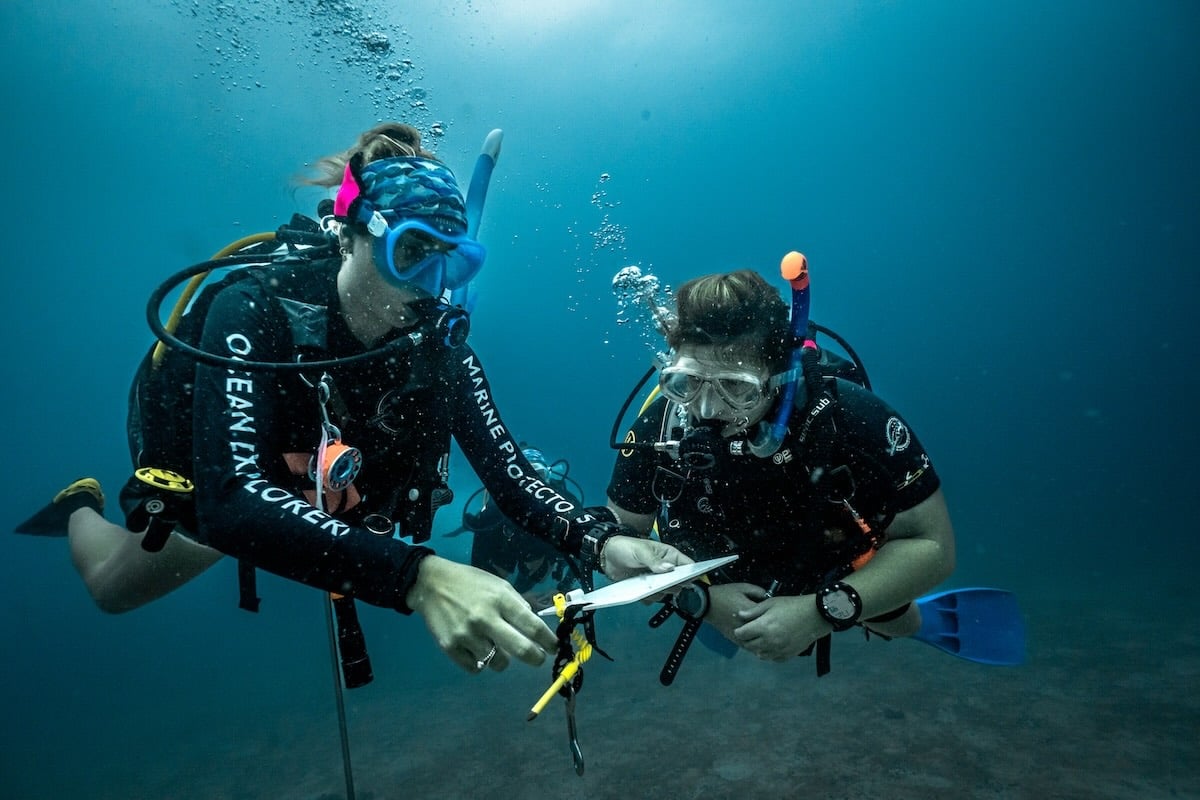
Independent Project Component
A unique and defining element of our program is the Independent Project. This component transforms you from a participant into an active conservation contributor by giving you the opportunity to lead your own initiative.
Whether that’s a research study, an educational resource, a community project, or a communication/outreach campaign. It’s your chance to explore a topic that inspires you, develop practical skills, and create something meaningful that supports marine conservation in a real way. Here’s how it works and why it’s so valuable:
Project Design: Early in the program (around the end of Week 1 or start of Week 2), you’ll begin discussing ideas for your Independent Project with our diving instructors and marine biologists.
Scientific Research Project
The project is entirely tailored to your interests, and past participants have produced an impressive range of work.
Students created scientific research projects, such as a sea slug study that led to a published paper, to social media awareness campaigns, conservation-focused school trips, educational board games, training programs, species identification guides, and other creative initiatives.
Students have explored topics such as sea turtles, sharks, marine plastics, coral health, seahorses, artificial reefs, nudibranch biodiversity, and more.
With guidance, you’ll choose a realistic and impactful project scope that aligns with your interests and contributes to a genuine need within marine conservation.
Mentorship and Support
Mentorship and Support: Once your project topic is chosen, our team will help you refine it into a clear, achievable plan.
You’ll learn how to set objectives, choose the right methods (e.g., surveys, observations, interviews, content development, design tools), and organise your workflow.
Whether you’re writing an article, designing an educational game, preparing a training workshop, or structuring a scientific study, you’ll have ongoing mentorship.
This one-on-one support is especially valuable for building confidence, developing new skills, and learning how to execute a project from start to finish — an essential ability in conservation careers.
Data Collection & Research
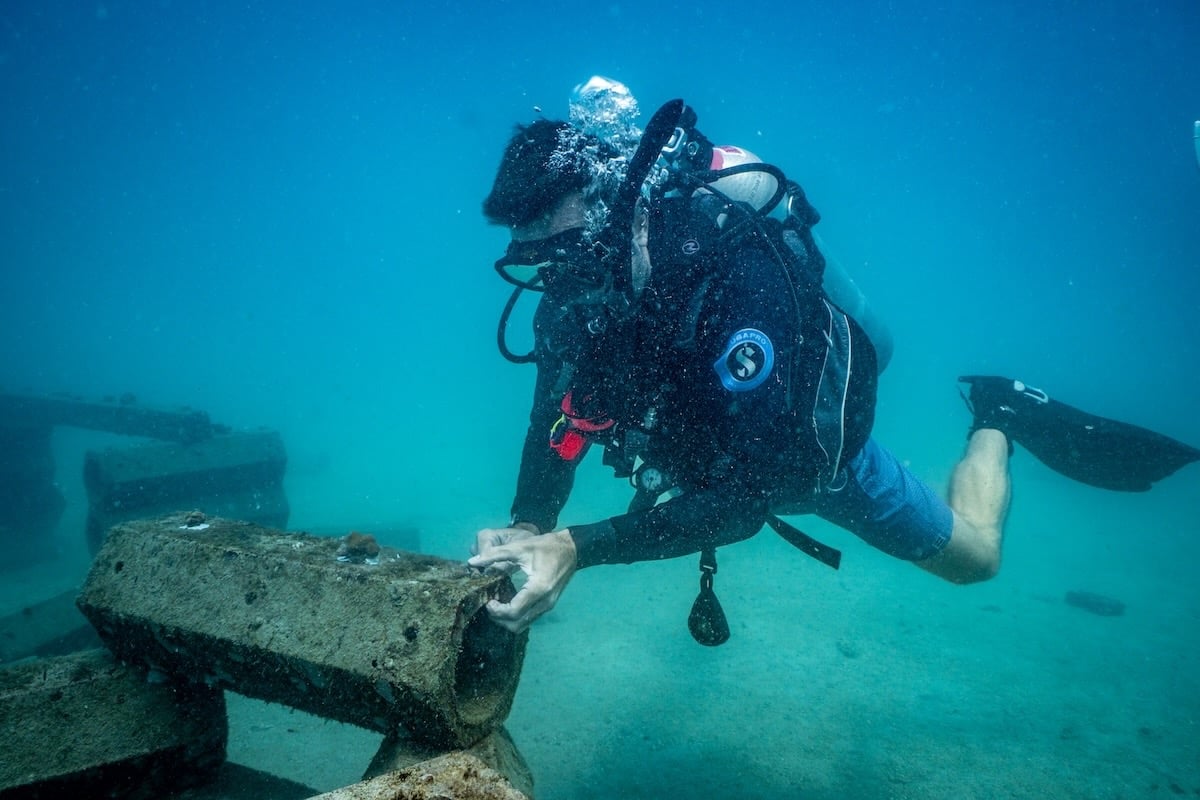
Data Collection, Creation & Field Work: During designated periods (particularly in Weeks 5, and 6 as per the schedule), you’ll carry out the hands-on part of your project.
If it’s a dive-related project, you’ll head underwater to collect your data – perhaps counting indicator species on the reef, observing sea turtle behaviors, or testing a new survey technique.
If it’s an education or material development project, you may be gathering information on land or creating content.
We ensure you have the opportunity and resources to complete this work – including dive time, equipment, and staff assistance as needed.
This not only reinforces your learning (since you’re applying the survey and analysis techniques learned in class), but it also teaches you self-reliance and initiative as you work through challenges and adapt your project if conditions change.
Analysis & Reflection
Analysis and Reflection: After collecting data or executing the project tasks, you’ll analyze the results with our guidance.
This could mean crunching numbers from your surveys, looking for patterns, researching scientific papers for context, or evaluating the success of your initiative.
You’ll interpret what the findings mean in the bigger picture of reef conservation. We encourage you to think critically: What do your observations tell us? Were the conservation methods effective? How could this inform future efforts?
This stage often sparks insightful discussions and deepens your understanding of marine science.
Project Presentation & Write-Up
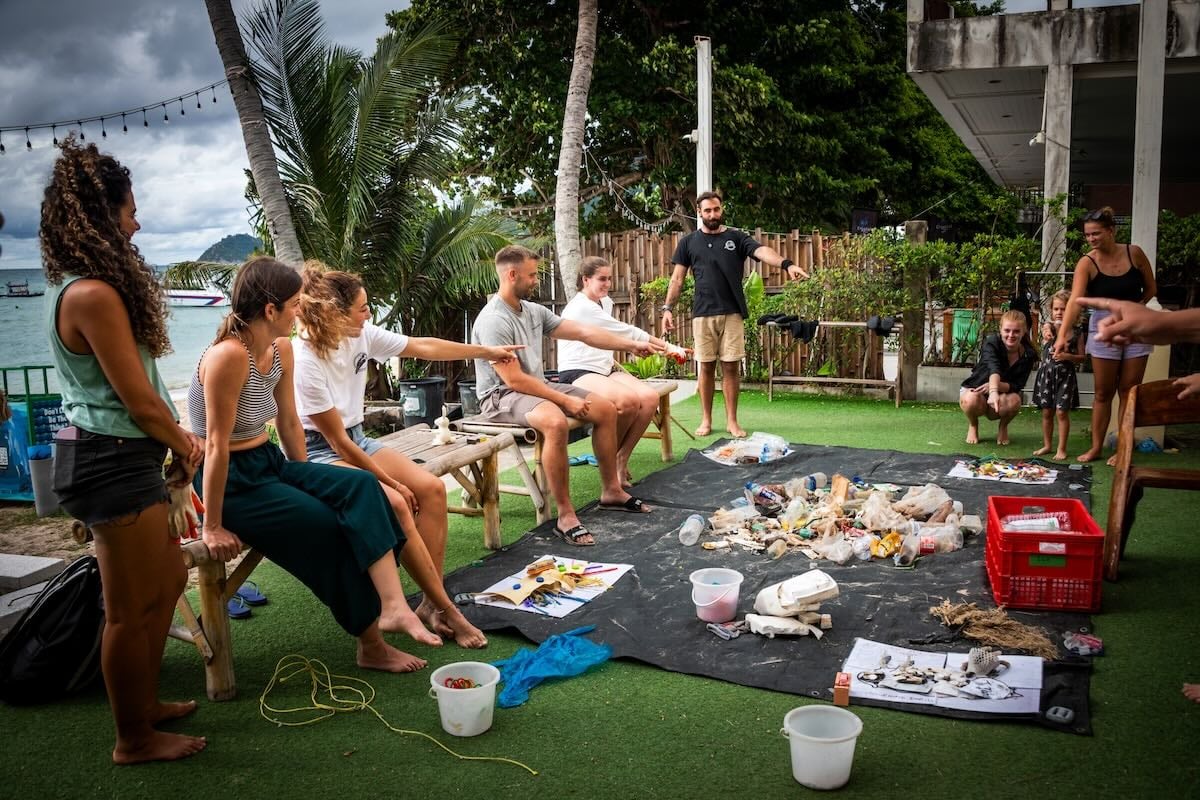
Presentation and Write-Up: At the end of the program, you will compile your work into a presentation (and optionally a written report). Presenting to your peers and instructors in Week 6 is both a celebration and a test of what you’ve learned.
You’ll practice communicating scientific and technical information in an accessible way – a crucial skill for any professional, especially in conservation where public outreach is key.
Don’t worry, this isn’t as intimidating as it seems – it’s a supportive environment where everyone is eager to learn from each other.
You’ll receive praise and constructive feedback, and often your findings can directly contribute to our dive center’s ongoing projects or databases.
We’ve had cases where a trainee’s project unveiled a new interesting trend on our reefs or provided a fresh idea that we later implemented in our conservation work.
Impact & Legacy
Impact and Legacy: The independent project is more than a course requirement; it’s your chance to leave a positive mark.
The outcome of your project could help shape real conservation actions on Koh Tao or provide data to researchers.
Moreover, it’s something you can take forward after the course – you may continue the project on your own, or use it as a springboard to get involved in similar projects elsewhere.
At the very least, it’s an achievement you can proudly share with future employers or colleagues to demonstrate your commitment and capability in marine conservation.
In summary, the Independent Project empowers you to apply your passion and newly acquired knowledge to a topic that matters to you.
It’s often cited by our graduates as the most rewarding part of the program, as it transforms abstract learning into concrete results.
You finish not only with certifications, but with a piece of work uniquely your own that contributes to marine conservation – a true hallmark of the Marine Conservation Divemaster Program.
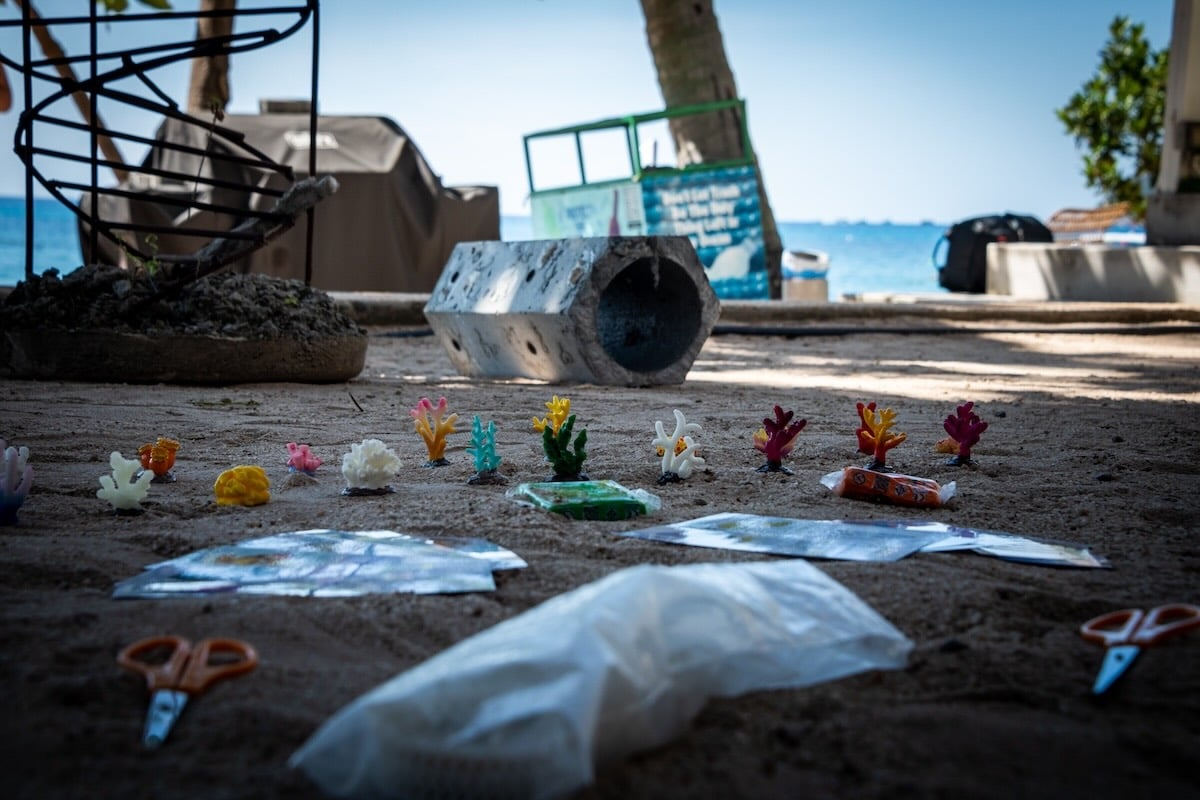
Conservation, Reef Ecology, and Scientific Diving Emphasis
What sets the Marine Conservation Divemaster Program apart is its strong emphasis on conservation, reef ecology, and scientific diving woven into all aspects of the training.
Traditional Divemaster courses teach you to be a dive leader; our program goes a step further to make you a guardian of the ocean environment and an informed resource person for eco-conscious diving.
Integrated Conservation Curriculum
Integrated Conservation Curriculum: From day one, topics like coral biology, fish identification, and marine ecosystem dynamics are not side notes – they are core parts of your learning.
We use the Conservation Diver curriculum (Ecological Monitoring Program and related courses) to provide structured, certified training in reef survey methods.
This means you aren’t just casually learning reef life as you go; you’re following a formal program that qualifies you in conducting reef health assessments and species monitoring.
These skills are typically only taught to research divers or dedicated conservation volunteers, but we believe they are essential knowledge for a professional Divemaster in today’s world.
Hands-On Environmental Action
Hands-On Environmental Action: The program includes regular conservation activities that allow you to practice what you preach.
Every week, you’ll be involved in efforts such as beach clean-ups, underwater debris removal dives (Dive Against Debris), coral nursery maintenance, or wildlife surveys (for example, counting reef sharks or sea turtle sightings during scheduled survey dives).
These activities highlight the real impact dive professionals can have in protecting the local environment.
You’ll learn how to organize and execute these events, so you can initiate them in your future career.
Furthermore, engaging in these actions during your training instills a sense of responsibility and teamwork – you’ll feel the camaraderie of working with like-minded peers on projects that matter.
Scientific Approach to Diving
Scientific Approach to Diving: We teach you to approach diving with the mindset of a citizen scientist. This means you’ll dive with heightened observation skills and a purpose beyond recreation.
For instance, you’ll learn to use underwater slates and survey transects, record data like water conditions and species counts, and adhere to methodologies that make data credible.
Even if you don’t end up in a scientific job, this approach trains you to be detail-oriented and knowledgeable.
Many of our graduates report that after this program, they enjoy their fun dives more because they notice so much more around them and can engage guests with interesting facts and insights.
Your ability to conduct scientific diving also opens doors if you ever want to volunteer on marine research expeditions or work with organizations that require these skills.
Divemaster Environmental Leadership
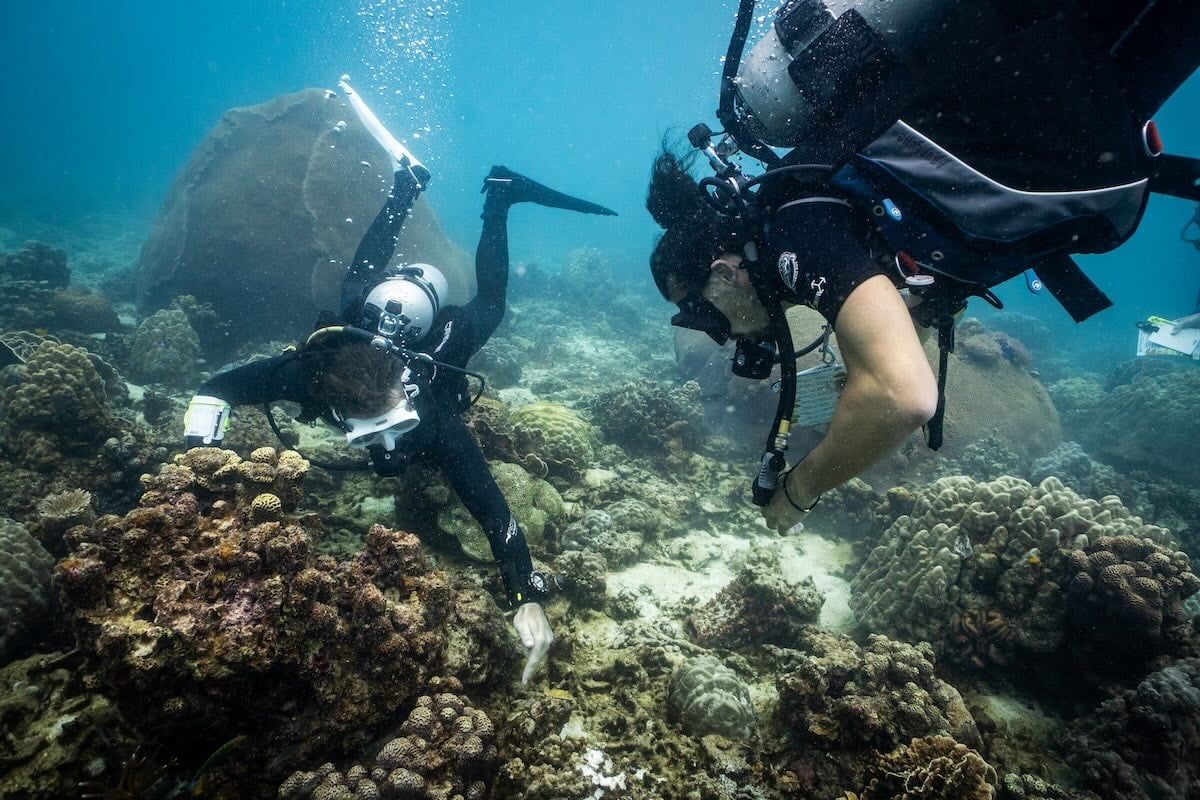
Environmental Leadership as a Divemaster: As a newly minted Divemaster, you will often be the person that other divers look to for information about the reef.
We prepare you for this role by emphasizing interpretive skills – essentially, being able to turn a regular dive into an eco-tour.
You’ll practice giving dive briefings that include environmental guidelines and points of interest about marine life.
You’ll know how to answer common questions like “What kind of fish was that?” or “Why are the corals bleaching?”.
Our ethos (and one we hope you’ll carry forward) is that the more divers know about the marine environment, the more they appreciate and want to protect it. We train you to be that source of accurate information and enthusiasm that can inspire others.
Ethical and Sustainable Diving Practices
Ethical and Sustainable Diving Practices: Throughout the program, we instill best practices for sustainable diving. This covers everything from proper buoyancy (to avoid damaging corals) and respectful wildlife interactions, to choosing eco-friendly dive gear and sunscreen.
We also discuss the broader dive industry and how operations can be run sustainably (like reducing plastic use, supporting local conservation policies, etc.).
By understanding the why and how of these practices, you’ll be equipped to make environmentally sound decisions and advocate for them in any dive workplace.
In essence, you’ll become a Divemaster who not only follows the standards for safe diving, but also sets a standard for environmentally responsible diving.
Collaboration with Conservation Organisations
Collaboration with Conservation Organisations: Our program is connected with ongoing conservation efforts on Koh Tao and beyond.
During your training, you may interact with projects or NGOs focusing on reef restoration, fisheries management, or community education.
This exposure gives you insight into the global marine conservation community. We often host or attend presentations by marine biologists or conservation leaders on the island, which you are invited to join.
These networking opportunities can be invaluable; you’ll finish the program aware of how you can continue participating in marine conservation as a professional, whether through local initiatives or international volunteer programs.
Continuous Learning
Continuous Learning: Finally, we emphasize that becoming a Marine Conservation Divemaster is the beginning of a journey, not an end. The ocean is always changing and there is always more to learn.
We encourage a mindset of continuous learning – keeping up with new marine research, advancing to instructor-level conservation courses, or even pursuing formal marine science education if that’s your goal.
By instilling curiosity and providing you the tools to learn (like how to identify unknown creatures or where to find reputable information on marine issues).
We ensure that you leave with not just knowledge, but a lasting passion for marine conservation that will fuel your career and diving adventures for years to come.
In summary, the program’s strong focus on conservation and science makes you a more capable and conscientious dive professional.
You’ll stand out in the industry for having skills and awareness that go beyond the basics – you’ll be the Divemaster who can lead an amazing dive and do it in a way that educates and inspires, contributing to healthier oceans.
Global Application & Career Opportunities
Earning your PADI Divemaster certification alongside specialized conservation training opens up a world of possibilities.
This program is not just about getting a certification – it’s about shaping you into a dive professional with a unique edge, which can significantly broaden your career horizons and impact.
Diving Industry Career
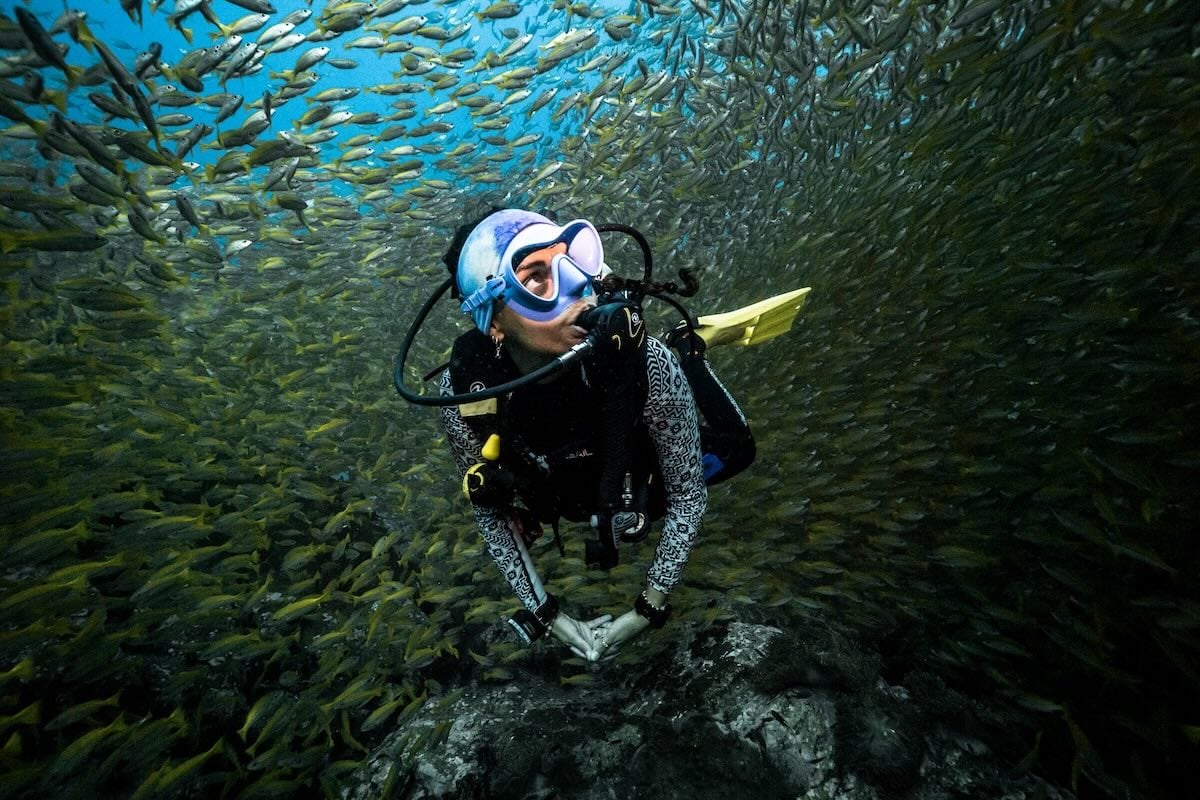
Diving Industry Career: As a certified Divemaster, you are qualified to work in dive centers, resorts, and liveaboards around the globe. The addition of your conservation expertise makes you an exceptional candidate for many employers.
In today’s eco-aware climate, dive operations increasingly value staff who can lead marine conservation programs, engage guests in environmental initiatives, and uphold high eco-standards.
Your experience with reef monitoring and community projects means you can take on roles like Eco-Divemaster or Conservation Coordinator at resorts, where you may organize weekly clean-ups or marine life presentations for guests.
Simply put, you’ll bring more to the table than a typical Divemaster, giving you an edge in the job market.
Pathway to Instructor & Specialties
Pathway to Instructor & Specialties: If you plan to continue to PADI Diving Instructor level, your strong foundation in marine science will enhance your teaching abilities.
As an instructor, you could choose to teach conservation specialties (like AWARE Fish ID, Coral Reef Conservation, Dive Against Debris, etc.), and you’ll do so with much more authority and insight after this program.
Moreover, the independent project and presentation skills you gained are great preparation for the public speaking and leadership a scuba instructor needs.
Some of our program graduates go on to become instructors who specialize in marine biology for divers, carving out niche careers teaching others about the environment as they teach diving.
Marine Conservation Field Work
Marine Conservation Field Work: Your qualifications aren’t limited to recreational diving jobs. With the scientific diving and project experience under your belt, you can participate in or even lead marine conservation projects worldwide.
Organizations conducting coral reef research, reef restoration efforts, or marine wildlife monitoring often seek skilled divers to assist.
You may join expeditions or volunteer programs in places like the Maldives, the Great Barrier Reef, the Caribbean, or the Red Sea, where you can put your survey skills to use.
In some cases, this can lead to paid roles as a field researcher or program coordinator for conservation NGOs or government marine parks.
Essentially, you become part of a relatively small pool of divers who can bridge the gap between tourism diving and scientific research – making you highly valuable.
Global Networking & Community
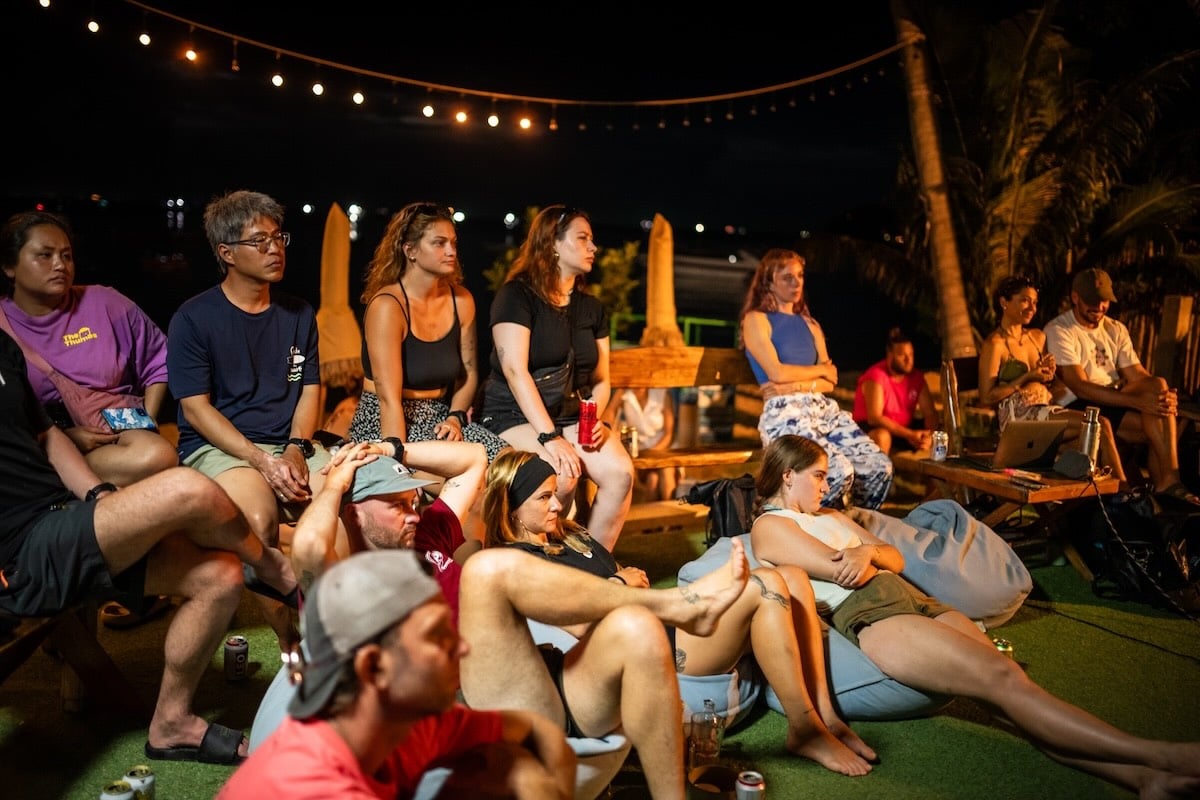
Global Networking & Community: During the program and as you move forward, you will connect with a network of like-minded professionals.
Your fellow trainees, instructors, and the contacts you make through conservation events form a community that spans the globe.
This can lead to opportunities such as job referrals, collaborative projects, or invitations to join new ventures.
For example, a peer from your course may end up working at a marine sanctuary in the Philippines and reach out for your expertise in setting up an EMP survey there.
Or you could collaborate with researchers by contributing data from Koh Tao to a global study. By establishing yourself as a knowledgeable conservation-conscious Divemaster, you become part of the global dialogue on protecting our oceans.
Career Development Support
Career Development Support: We don’t just certify you and send you off – we also prepare you to succeed. As part of the program, we include career-oriented guidance.
This includes helping you craft a strong diving CV/resumé, advice on seeking employment in the dive industry, and insights into which additional skills or certifications may be beneficial (like learning languages for work in certain regions, or obtaining a boat license, etc.).
We cover interview tips and share what employers look for in a Divemaster or Diving Instructor (some of our alumni have even gone on to work with PADI Asia Pacific, thanks in part to their robust background).
Our goal is to ensure you feel confident not only in your abilities but also in marketing those abilities effectively.
Advocacy and Leadership
Advocacy and Leadership: On a more personal note, this program empowers you to be an ocean advocate anywhere you go. Even if you take a break from the dive industry or do it part-time, you have the credibility and knowledge to influence others.
You could give talks at local schools about the importance of coral reefs, organize community snorkel clean-ups, or advise a dive club on how to start a conservation project.
The certification and experience you’ve gained lend authority to your voice when speaking up for environmental protection.
In essence, you carry the program’s impact forward, inspiring others and potentially shaping policies or practices in whatever community you become part of.
Lifelong Personal Growth
Lifelong Personal Growth: Finally, consider the global application in terms of personal growth. Traveling with your skills means you’ll continually learn about new marine environments – from Thailand’s Gulf to, say, the reefs of the Caribbean or the kelp forests of California.
You’ll find that the foundational understanding from this program helps you quickly adapt to and appreciate new ecosystems.
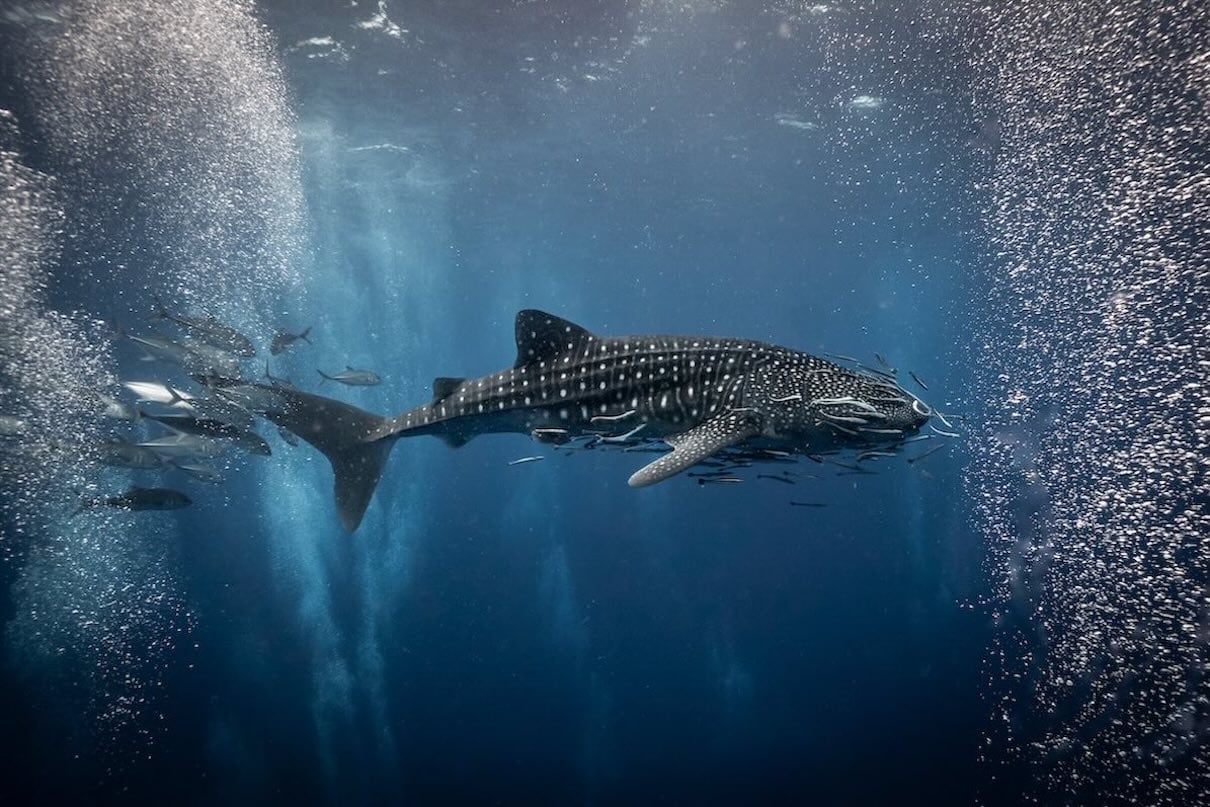
Every dive destination becomes more than a tourist experience; it’s an opportunity for you to engage deeply, perhaps volunteer locally, and grow as a scuba diver and conservationist.
Join Our Marine Conservation Divemaster Program
Our Marine Conservation Divemaster Program is the start of a lifelong adventure of discovery, leadership, and service to the underwater world. It is not just a course, but a launching pad for a fulfilling career and meaningful involvement in marine conservation worldwide.
You will leave as a highly trained PADI Divemaster with a suite of conservation skills—ready to explore, ready to lead, and ready to make a difference wherever the current takes you.
Dive professionals with this blend of qualifications are in demand globally, and more importantly, they are essential for the future of sustainable scuba diving and ocean stewardship.
We invite you to join this program, elevate your diving to a professional level, and become a true ambassador for our oceans. Your journey towards making waves in marine conservation starts here!
Program Pricing
** Dependent on current level of training
The Marine Conservation Divemaster Program is offered as a full training pathway with pricing tailored to your current certification level.
Each option includes all training, certifications, conservation workshops, materials, equipment rental, and mentorship.
| Current Certification Level | Program Price THB |
| Non-Diver | 118,900 |
| Open Water Diver | 110,900 |
| Advanced Open Water Diver | 102,900 |
| PADI Rescue Diver | 88,900 |
All our program prices are in Thai Baht and reflect the inclusive nature of the program at Black Turtle Dive.
Fees cover PADI and conservation certifications, dive equipment rental throughout the program, required educational materials, all scheduled workshops and all dives throughout the program for a total of 8 weeks. Send us a message and let’s get started.
BOOK COURSES – PRICES