Essential Scuba Diving Hand Signals
Scuba diving has never been more popular, and social media has played a big role in sharing the excitement and beauty of the underwater world. One of the most rewarding aspects of diving is the opportunity to connect with people who share the same passion, no matter where they come from. Divers from all around the globe come together to explore the ocean, creating a truly international community.
What makes these connections even more special is that communication underwater transcends language barriers. Even if divers speak different native languages, they can easily communicate using universal hand signals. This shared “dive language” helps build teamwork, trust, and friendship, both in and out of the water.

Using our hands when Scuba Diving
Once we descend beneath the surface, hand signals become the primary way scuba divers communicate. While there are universally recognised signals, it’s important to remember that some may vary slightly depending on the region or style of diving.
Having a shared and easy-to-understand system of communication helps buddy teams stay connected underwater. This common “language” allows divers to work together effectively, supporting both safety and enjoyment throughout the dive.
Hand Signals – Universal Underwater Language
When communicating with your buddy, it’s important to make your signals clear, calm, and easy to understand. Moving slowly and deliberately helps avoid confusion and ensures your message is received exactly as intended. Most signals are made in front of the chest so they are clearly visible, but some may involve pointing to yourself, indicating a direction, or inviting a response from your buddy.
There are over 200 recognised hand signals used by divers around the world, which makes underwater communication both practical and interesting. When used properly, these signals help keep dives safe, smooth, and enjoyable. Next, we’ll look at the 10 essential scuba diving hand signals that every diver should know.
10 Popular Scuba Diving Hand Signals
1. OK Hand Signal
The “OK” hand signal is generally the first one everybody learns no matter what level of diving your starting out with. This hand signal is what we call a demand-response signal and it can be used in numerous ways throughout a scuba dive. The most common way is to either ask your buddy if they are ok by gesturing this signal towards them, or to respond to this same question with the same signal back if we are OK.

Demand-Response Signal
This hand signal is the positive response used to confirm that everything is okay. It’s important not to confuse it with the thumbs-up gesture, as that signal has a different meaning in diving communication.
You’ll also often use the “OK” signal when responding to your buddy’s questions or instructions — for example, if they’re asking you to look at something, begin your ascent, or prepare for a safety stop. We will cover those skills in more detail later.
By giving the “OK” signal, you’re letting your buddy know that you’re fine, you understand what’s been communicated, and you’re ready to continue the dive.
2. Problem or Not OK Hand Signal
The “Problem” hand signal is one of the fundamental communication skills introduced early in scuba diver training. It is used to indicate that you are experiencing an issue or that something is not quite right. When followed by pointing to the specific area of concern, it helps your buddy or dive team quickly understand and identify the nature of the problem.
Clear and simple communication underwater is essential for safety and teamwork, and this signal plays an important role in ensuring that any situation can be addressed efficiently and calmly.
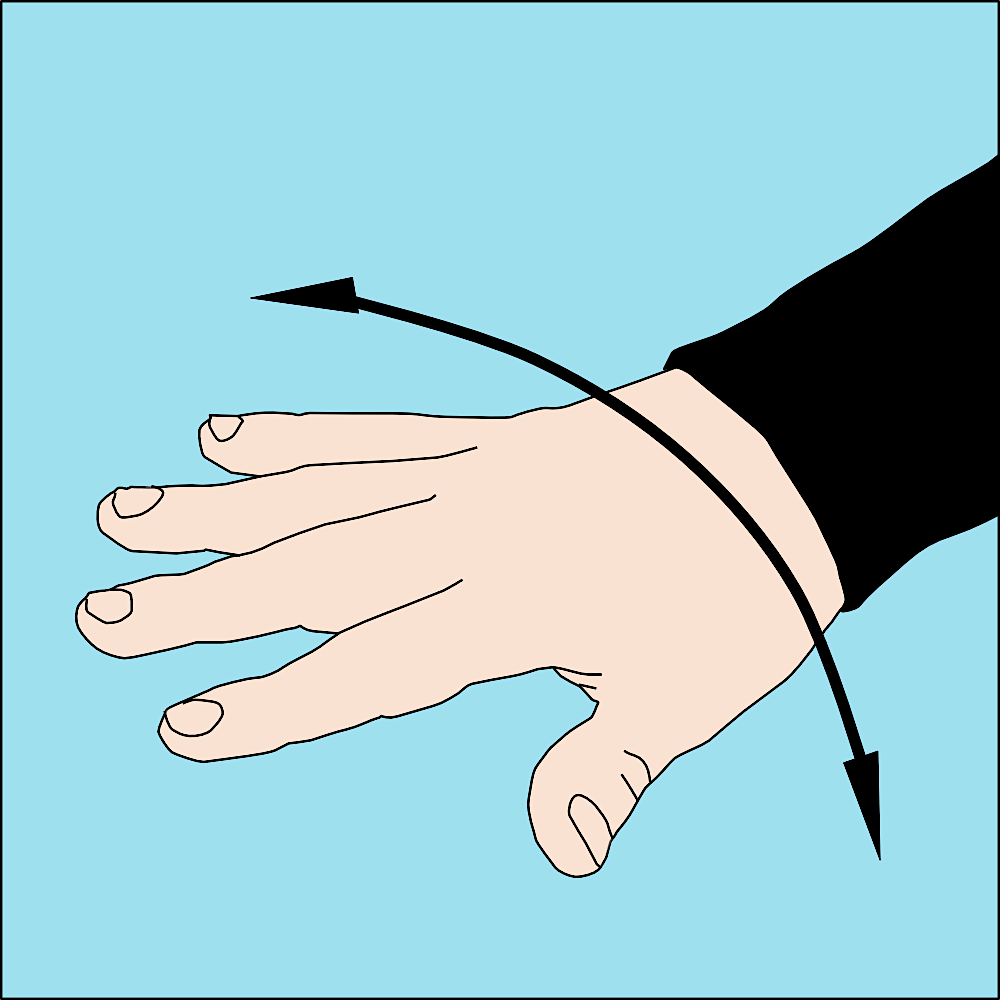
Managing Problems Underwater with Signals
For example, if you are experiencing difficulty equalising, signalling “problem” and then pointing toward your ear clearly communicates the issue to your buddy or team. This allows them to either offer assistance or remain nearby while you resolve the situation independently.
While we hope to use this signal only for minor concerns, it is an essential part of underwater communication. Even if you do not personally need to use it, your buddy may rely on it, enabling you to respond appropriately and supportively. Clear signalling helps maintain safety, teamwork, and confidence throughout every dive.
3. Hand Signal for Checking Remaining Air in the Tank
Scuba diving offers an incredible experience, and many divers will say they wish they could stay underwater for longer. However, as much as we may enjoy the underwater world, our time below the surface is limited. One of the key factors influencing dive duration is the amount of gas remaining in our tank cylinders.
For this reason, careful air management is an essential part of every dive. Monitoring your remaining supply helps ensure you never run low underwater and that you surface with your planned reserve, supporting safe, controlled, and enjoyable diving from start to finish.

How Much Air Do You Have?
Although divers are trained to regularly monitor their own gas supply throughout every dive, it is equally important to check your buddy’s remaining gas as part of good team practice. This shared responsibility reinforces the strength of the buddy system and highlights that diving is a collaborative activity built on communication, awareness, and mutual support.
By confirming both team members’ gas levels, the diver leading navigation can make informed decisions about when to turn the dive. These decisions may be based on elapsed time, planned limits, environmental conditions, or—most importantly—the gas remaining within the team. This approach helps ensure that the dive stays well within agreed parameters, allowing for a calm, controlled return to the exit point with appropriate reserves intact.
Consistent gas checks not only enhance safety, but also promote confidence and coordination between buddies, contributing to a smoother and more enjoyable diving experience for everyone involved.
4. Low On Air Hand Signal
The Low on Air hand signal is one of the most important communication tools in scuba diving, and every diver should be confident in recognising and using it. This signal indicates that your gas supply has reached your planned reserve pressure and that it is time to begin concluding the dive in a calm and controlled manner.
Rather than being a signal used routinely throughout a dive, it serves as a clear reminder that you are approaching the predetermined limits set during your pre-dive planning. By signalling early and communicating clearly with your buddy, you ensure that there is sufficient time to safely navigate back to the exit point or ascent location while still maintaining an appropriate reserve.
It is also essential to remember that reserve pressures may differ depending on whether you are using Bar or PSI, as well as based on agency standards, local procedures, or personal dive planning preferences. Understanding and agreeing on these values within your buddy team before entering the water helps prevent confusion and supports consistent, safe decision-making throughout the dive.
Used correctly, the Low on Air signal reinforces good gas management habits, strengthens buddy communication, and contributes to a more organised and enjoyable diving experience.
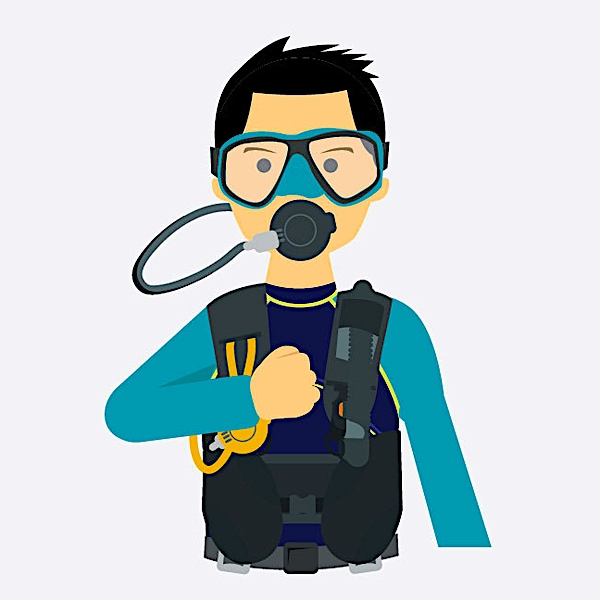
When to give the Signal for Low on Air
The appropriate time to give the Low on Air signal is determined by your agreed reserve pressure and the overall dive plan established with your buddy team. Because factors such as cylinder size, gas consumption rates, depth, and diving configuration—such as sidemount can influence gas management, reserve limits may vary from one diver to another.
For this reason, a clear and well-structured dive plan is essential before entering the water. Discussing gas expectations, turn pressures, and minimum reserves ensures that everyone understands when the signal should be used and what actions will follow. This shared understanding helps prevent uncertainty underwater and supports smooth, coordinated decision-making.
5. Out of Air Hand Signal
The Out of Air signal is one of the most critical hand signals every diver learns during training. Although running out of gas is extremely unlikely when proper procedures are followed, it remains a situation that divers must always be prepared to manage. Such events can result from inadequate pre-dive checks, poor gas management practices, or rare equipment malfunctions.
For this reason, clear and immediate communication with your buddy is essential. The ability to quickly and confidently signal an out-of-air situation ensures that your team can respond without delay and implement the appropriate emergency procedures. Strong awareness, thorough preparation, and effective underwater communication all work together to support safe and responsible diving.
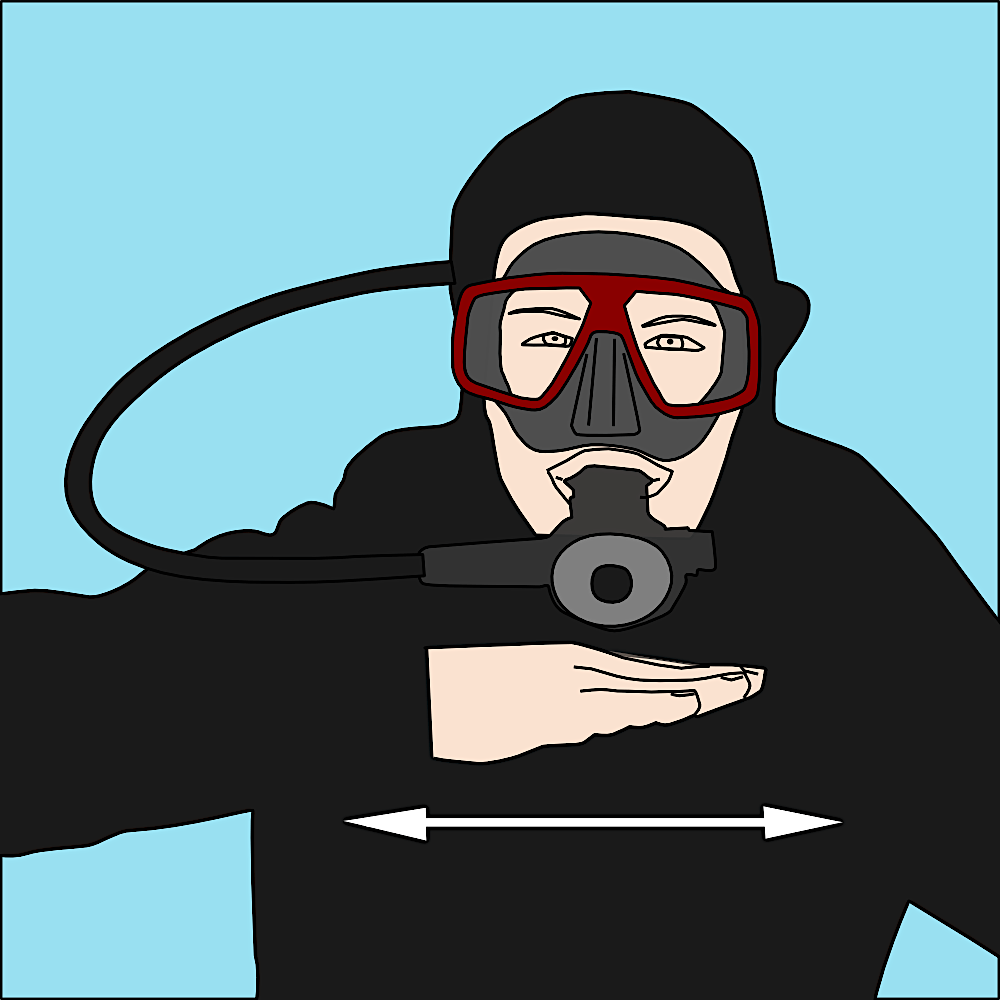
Responding to the Out of Air Signal
If a diver signals that they are out of air, the buddy’s response should be immediate and controlled. The first priority is to provide an alternate air source, such as an octopus regulator, and establish a stable breathing position. Once both divers are sharing gas and are calm, the team should begin a slow, safe ascent following established procedures.
Although no diver plans to encounter this situation, preparedness is essential. Clear pre-dive planning, regular practice of emergency skills, and consistent review of protocols ensure that all team members understand their roles and responsibilities. In an emergency, familiarity with these procedures can make a significant difference in achieving a smooth and successful ascent.
Maintaining close proximity to your buddy throughout the dive further enhances safety. Regular communication, routine signal checks, and mutual awareness help ensure that if assistance is ever required, it can be provided quickly and effectively.

6. Safety Stop Hand Signal
The Safety Stop hand signal is typically used toward the end of a dive, just before beginning the final ascent. It communicates to your buddy and dive team that you intend to complete a safety stop as part of your dive plan. This allows everyone in the team to confirm their depth, monitor their dive computers, and maintain a depth of approximately 5 metres for a minimum of 3 minutes.
While recreational divers may conduct no-decompression dives to depths of up to 40 metres, safety stops are not mandatory in all circumstances. However, as responsible divers, we are encouraged to follow conservative diving practices. Incorporating safety stops into your routine—particularly after deeper dives, multiple dives in a single day, or repetitive diving over several days—adds an extra layer of precaution and promotes overall dive safety.
By clearly signalling and agreeing on the safety stop with your buddy, you ensure a coordinated ascent, reinforce good dive habits, and support a calm and controlled return to the surface.
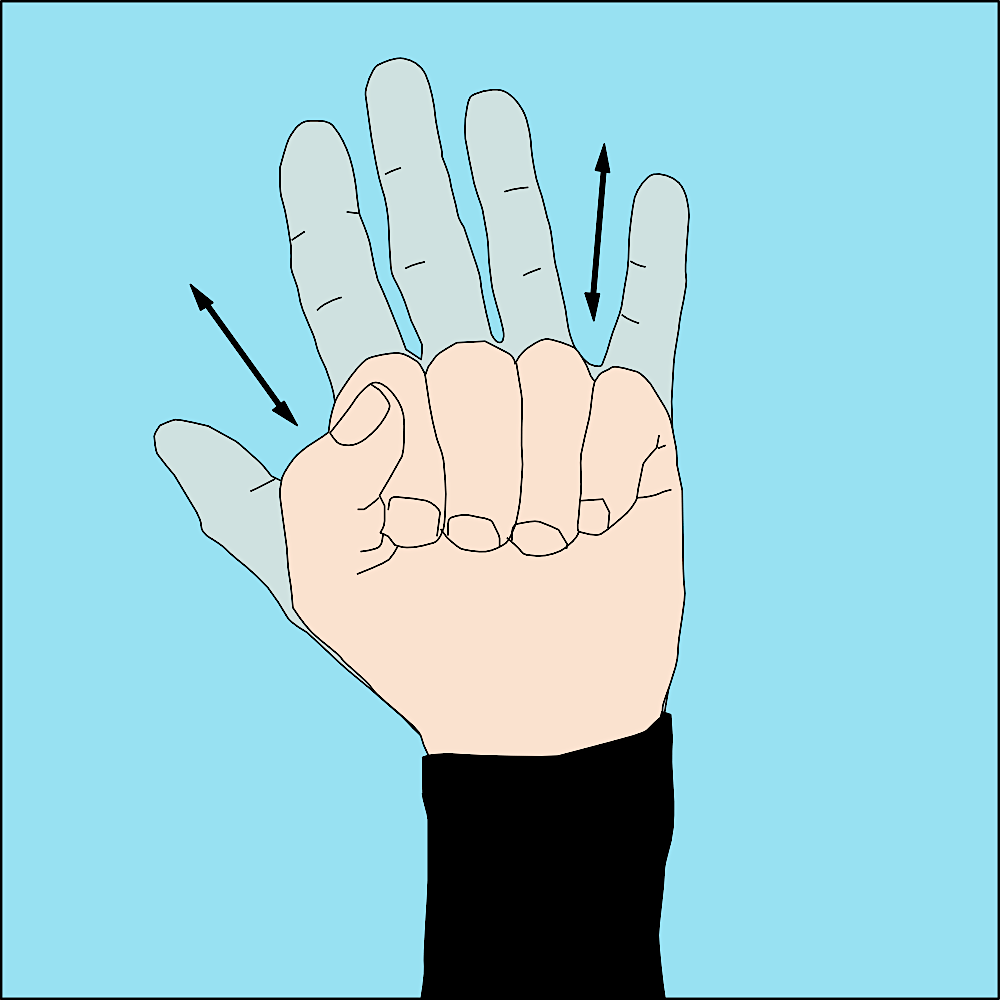
7. Cramp Hand Signal
Muscle cramps underwater can be uncomfortable and may temporarily restrict movement, making it difficult to continue diving smoothly. While some cramps can be resolved independently, attempting to address them alone can divert attention away from buoyancy control, situational awareness, and overall dive safety.
Using the Cramp hand signal clearly communicates the issue to your buddy, allowing them to assist while maintaining close team positioning. This ensures that the situation can be managed calmly and efficiently without compromising control or safety.
There are also several preventative measures that can help reduce the likelihood of cramping during a dive. Ensuring you are correctly weighted, wearing an appropriate exposure suit for the conditions, and maintaining good hydration before and between dives all contribute to physical comfort and performance underwater. By combining prevention with clear communication, divers can respond effectively and continue their dive with confidence.

8. Ascend & Descend Hand Signals
The Ascend and Descend signals are communicated using a clear thumbs-up or thumbs-down gesture. It is important not to confuse these with other commonly used signals, such as the OK or Problem hand signals, as each has a distinct meaning in underwater communication.
The Ascend signal is used to inform your buddy that it is time to begin to go up slightly or to start the ascent. During deep dives, this signal may be followed by a specific depth indication to confirm the intended target depth. When planning dives of this nature, it is essential that these procedures are discussed and agreed upon during the pre-dive briefing to ensure clarity within the team.
Alternatively, the Ascend signal is often used toward the end of a dive—particularly after completing a safety stop—to indicate that it is time to ascend directly to the surface. Clear agreement on how and when these signals will be used helps maintain coordination, supports safe dive execution, and ensures smooth communication between buddy team members throughout the dive.

Ascending or Descending Hand Signals
When diving in larger groups, clear hand signal communication becomes even more important. In these environments, misunderstandings can easily occur, so confirming messages is essential. If a buddy signals to ascend, it is good practice to acknowledge the communication with an OK signal or by repeating the Ascend signal back as confirmation. This ensures that everyone in the team understands the intended action and remains coordinated.
The Descend signal is used underwater to indicate that it is appropriate to continue or begin descending. For example, it may be used when moving down a mooring line or other reference point to confirm that the team is ready to proceed deeper. It can also be helpful if a diver has experienced equalisation challenges and needs to communicate that they are now comfortable continuing the descent.
As with all demand-and-response signals, confirmation is key. Responding with an OK signal or repeating the Descend signal back helps verify mutual understanding and maintains strong team communication. These simple checks reinforce clarity, support safe decision-making, and contribute to a smooth and well-coordinated dive experience.
9. Something is Wrong or I Do Not Feel Good Hand Signal
As every diver is taught, it is important not to dive if you are feeling unwell. However, conditions can change unexpectedly during a dive, and a diver may begin to feel uncomfortable or unwell while underwater. Communicating this situation can sometimes be challenging, and without a clear signal, valuable time may be spent attempting to interpret the issue or coordinate an appropriate response.
In the past, divers may have used the standard Ascend signal or indicated that they wished to abort the dive. Unfortunately, incident reports have shown that, in some cases, best practices were not consistently followed, and divers were allowed to surface without proper support from their buddy team. This highlights the importance of having clear, universally understood communication protocols.
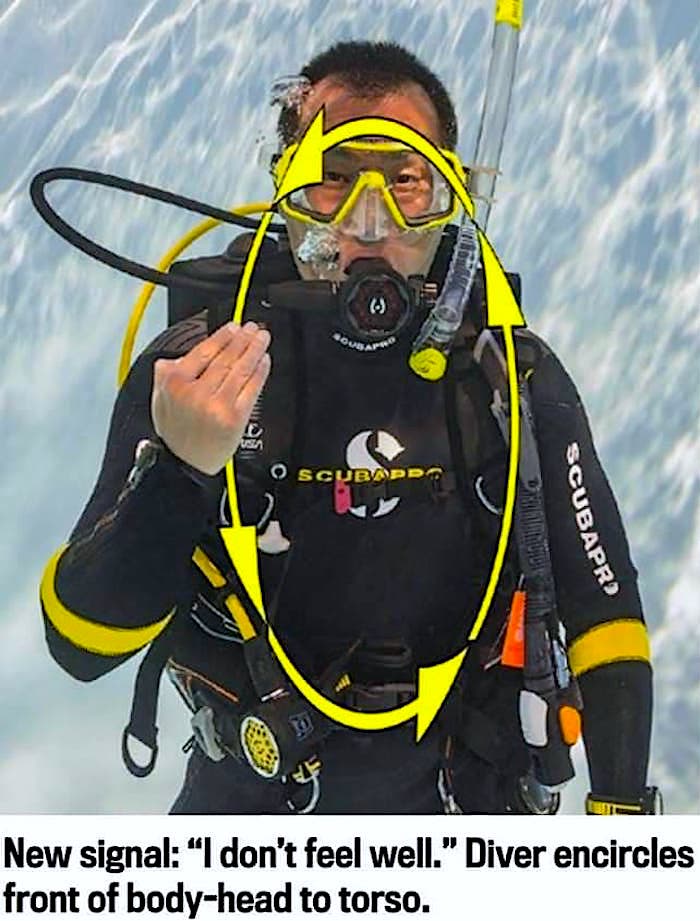
Hand Signal for Feeling Unwell Underwater
To improve communication in these situations, a new hand signal was introduced to the diving industry in 2020. This signal is specifically designed to indicate that a diver is feeling unwell and may require assistance during ascent. It enables even unfamiliar buddy teams to respond appropriately, ensuring that support is provided throughout the ascent and, if necessary, upon reaching the surface.
For buddy teams who are more familiar with one another—particularly when medical considerations or known health factors are involved—this signal can be especially valuable. Clear communication in these circumstances may significantly influence the outcome, helping ensure that appropriate assistance is given promptly and that the diver remains supported until the situation is resolved.
10. P is For Plastic Hand Signal
Last but by no means least we have another new hand signal that you may not know about. As scuba divers it is just as important learning about the environment as it is about anything else. Single-use plastics and marine debris are at the highest levels they have ever been. Thanks to social media, NGO’s and passionate individuals, making a difference through raising awareness and education on this matter is also at an all-time high.
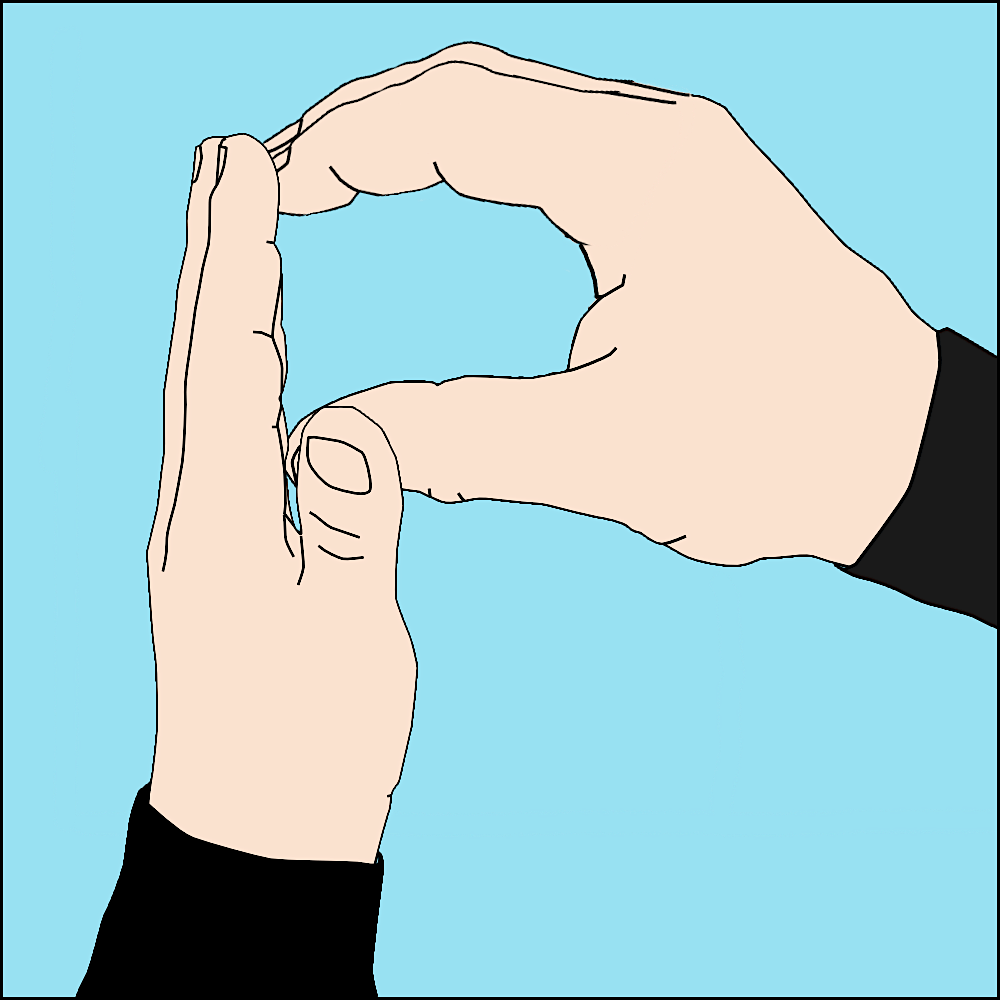
P for Plastic Underwater Hand Signal
The Plastic Soup Foundation have introduced a new hand signal to do just that. The P for plastic hand signal can be used to let our buddies know that they either see or would like their buddy to pick up plastic marine debris. By sharing this signal with as many divers as we can, we can quickly and simply raise awareness and alter our divers’ thinking to be on the lookout for plastic during every dive.
Hand Signal Communication is Key
With every dive we learn something new and this is no different with our hand signals and how we communicate to other divers underwater. It is important we share these new signals with other divers and more importantly make sure we are using the same signals as each other. The best way to ensure this, is to make sure before every dive we run through a pre-dive briefing/plan with each other. It is important to never assume someone knows a hand signal based on their certification level or how many dives they have completed.
Understand Hand Signals & Communicate Effectively
Scuba Diving is a fun, exciting, and highly rewarding activity that gives people the opportunity to explore and experience the incredible underwater world. Alongside the enjoyment it brings, diving also carries responsibility—both toward one another as buddy teams and toward the marine environment we are privileged to visit.
Developing a strong understanding of hand signals and using them clearly and consistently is an important part of that responsibility. Effective underwater communication enhances safety, strengthens teamwork, and supports confident decision-making throughout every dive. By taking the time to refine these skills, divers demonstrate their commitment to safe practices and to protecting the ocean environment for future generations.

5 Important Skills PADI Advanced Open Water Course

How to Reduce the Risk of COVID-19 Scuba Diving
BOOK COURSES – PRICES