Course Costs Compared at a Glance
Koh Tao is world-renowned as the scuba diving capital of the world, a title it earned by certifying more divers than almost anywhere else on the planet.
With over 70 dive schools on this small tropical island, there’s an incredible range of options—resulting in some of the most competitive prices you’ll find anywhere in the world.
Choosing the right dive centre is an exciting part of your journey, and one of the most important decisions you’ll make as a new diver.
However, scuba diving is more than just another activity—it involves life-support equipment, new skills, and entering an environment that requires proper training and care. Small differences in price can reflect meaningful differences in the quality of instruction, equipment, and overall experience.
In this guide, we’ll help you look beyond the price tag and explore the true value offered by premium dive schools on Koh Tao—so you can make a confident, informed decision and start your diving journey the right way.
The Hidden Reality of Budget Diving Schools
To offer courses at low prices, dive centres must reduce costs somewhere. In the diving industry, these reductions typically occur across six key areas: facilities, group size, equipment quality and maintenance, instructor compensation, environmental promise and time.
1. Facilities
When learning to become a scuba diver, where you begin your underwater training makes all the difference. At Black Turtle Dive, our purpose-built scuba training pool provides a safe, controlled, and comfortable environment for students year-round.
Unlike public swimming pools, our dedicated training facility eliminates interruptions from non-divers, reducing distractions and creating a focused learning experience. Designed specifically for diver training, the pool features increased depth, underwater platforms, and specialised access points tailored to scuba equipment.
With no competition for space, students can fully concentrate on their instructor, while instructors can provide complete attention, guidance, and support. The result is a higher standard of training—helping you become a confident, capable diver who is truly qualified, not just certified.
Many dive centres on Koh Tao share training pools with other schools on the island. While all training is scuba-focused, this shared environment can still lead to distractions, confusion, and interruptions during training.
At Black Turtle Dive, students benefit from a private training pool, allowing for complete focus, individual attention, and a more personalised learning experience—especially important at the very start of your diving journey.
Although a shallow bay may seem like an appealing place to begin your confined training, dive schools that use purpose-built pools help to reduce pressure on fragile coral reef ecosystems. New divers need time to develop their skills in a controlled environment before entering the ocean, where the risk of accidental damage to marine life is significantly higher.
This controlled environment also allows students to develop essential skills without the challenges of open water conditions such as currents, reduced visibility, or unpredictable weather.
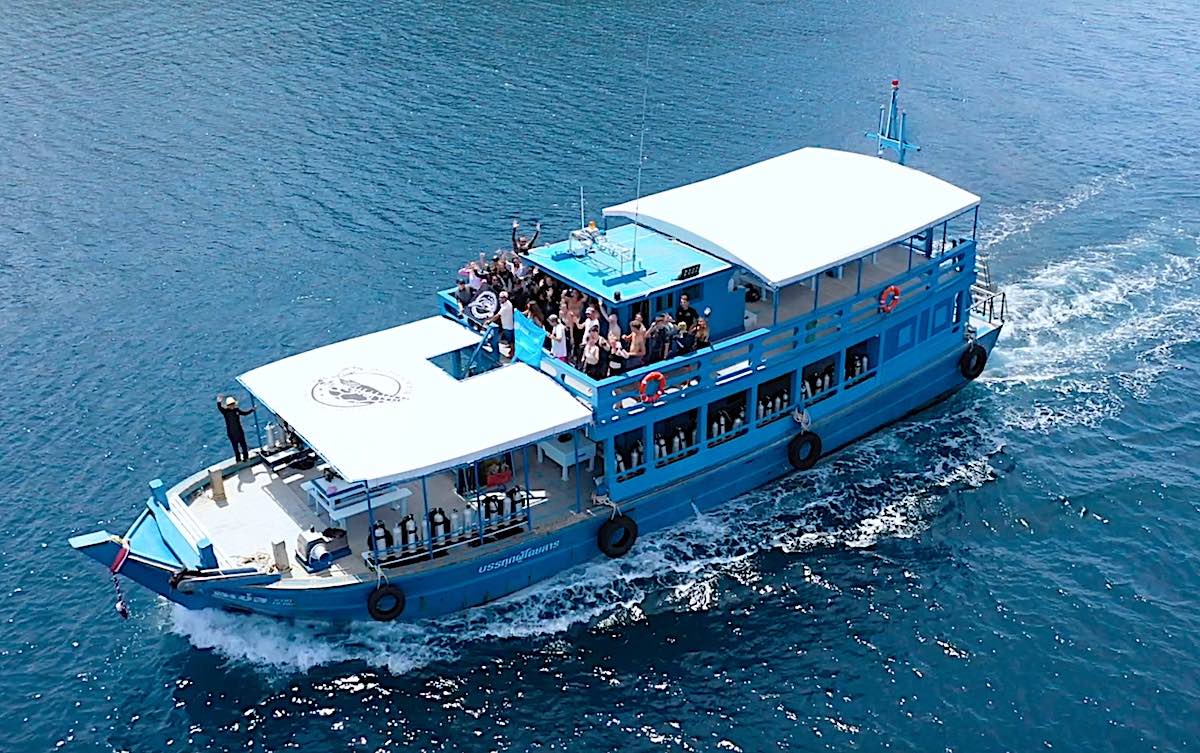
A Spacious, Purpose-Built Dive Boat
The boat experience is a huge part of scuba diving, and a cramped, poorly equipped vessel makes everything harder and a little less enjoyable.
A spacious dive boat means:
Comfortable, organised kit assembly — no fumbling with gear on a pitching deck with elbows in your face and competition for space.
Dedicated camera and rinse stations — protecting your equipment properly with available sources if freshwater specific for dive equipment.
Safe, structured entry and exit — safety ladders, designated entry and exit points and space to manage your scuba kit in and out of the water
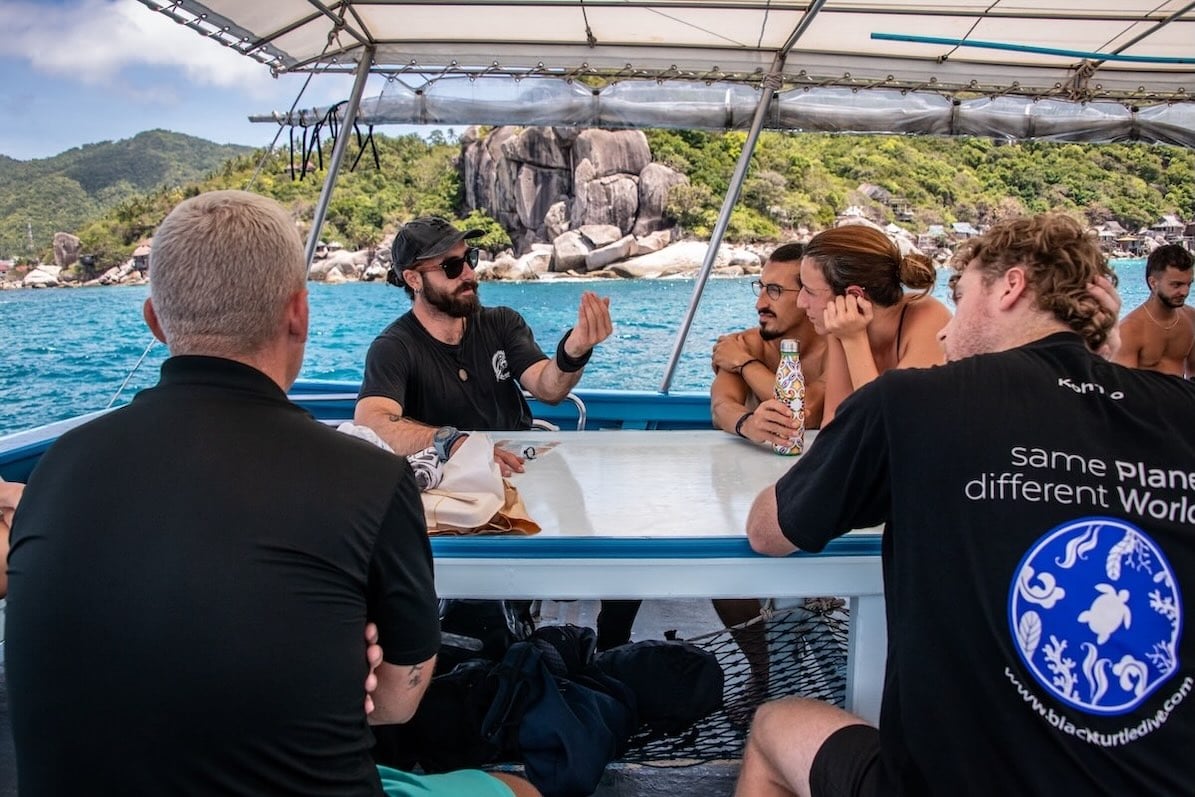
Better briefings — room to gather the group, sit comfortably, review the dive plan and ask questions before descending
Comfort between dives — shade, seating, hydration, and space to relax during surface intervals matter for safety and enjoyment
At Black Turtle Dive, our boats are designed with your comfort in mind. Each vessel is equipped with freshwater showers, allowing you to rinse off saltwater between dives and after your final dive of the day.
With two spacious toilets on board and a strict non-smoking policy, we ensure a clean, comfortable, and healthy environment for all divers.
2. Large Group Sizes (The Factory Model)
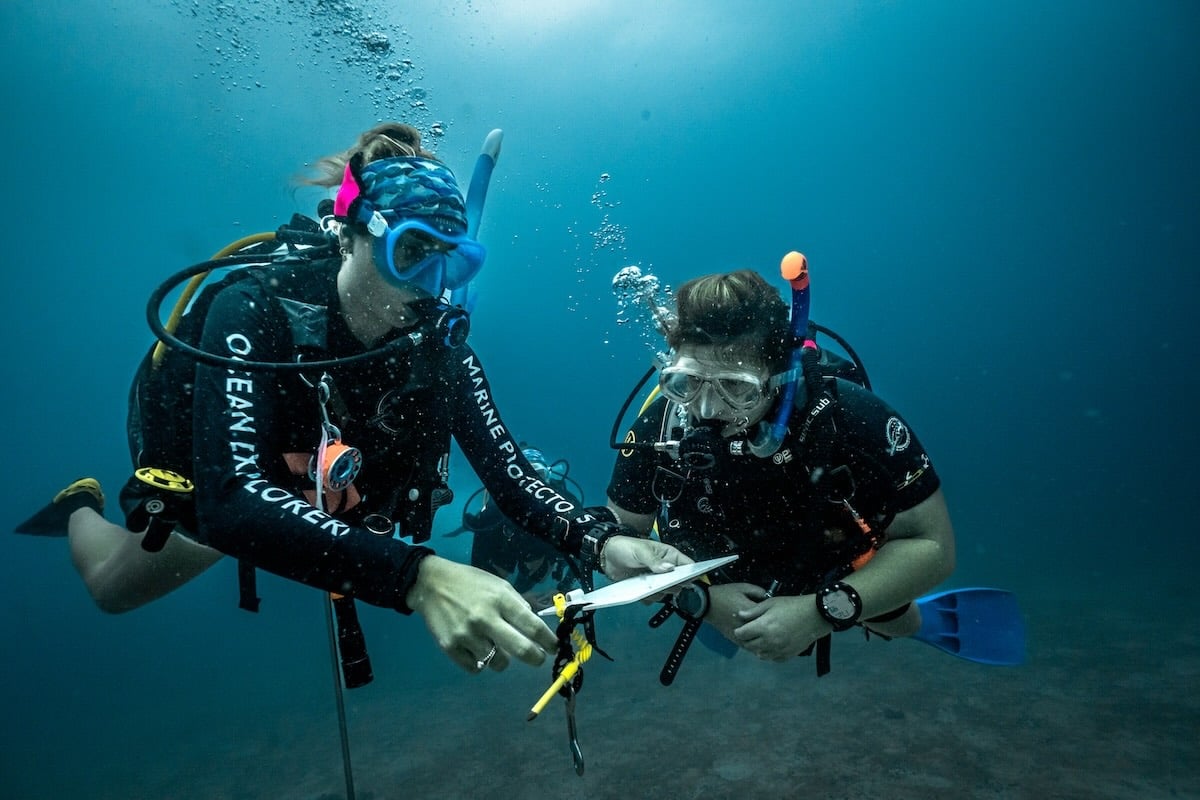
Lower-cost dive schools often operate on a high-volume model, placing 6 to 8 students with a single instructor to reduce the price per person. However, scuba diving is a skill-based activity that requires time, attention, and individual support.
In larger groups, an instructor’s attention is divided. If a student struggles with a key skill—such as clearing water from a mask—there may be pressure to move on quickly so that the rest of the group are not held back. Ultimately The Factory Model achieves ticking boxes rather than feeling a sense of mastery and completion.
During the PADI open water confined water training, there are five separate confined dives, each typically involving around 60 minutes of in-water skill practice. If we calculate this over five confined dives, that is 5 hours of in-water training alone, excluding the time taken for discussion, revisiting skills, equipment familiarity, rest and lunch breaks. Even with a small group of four students who progress smoothly, this requires focused time and guidance—something that would become increasingly difficult to maintain in larger groups.
3. Equipment quality and Maintenance
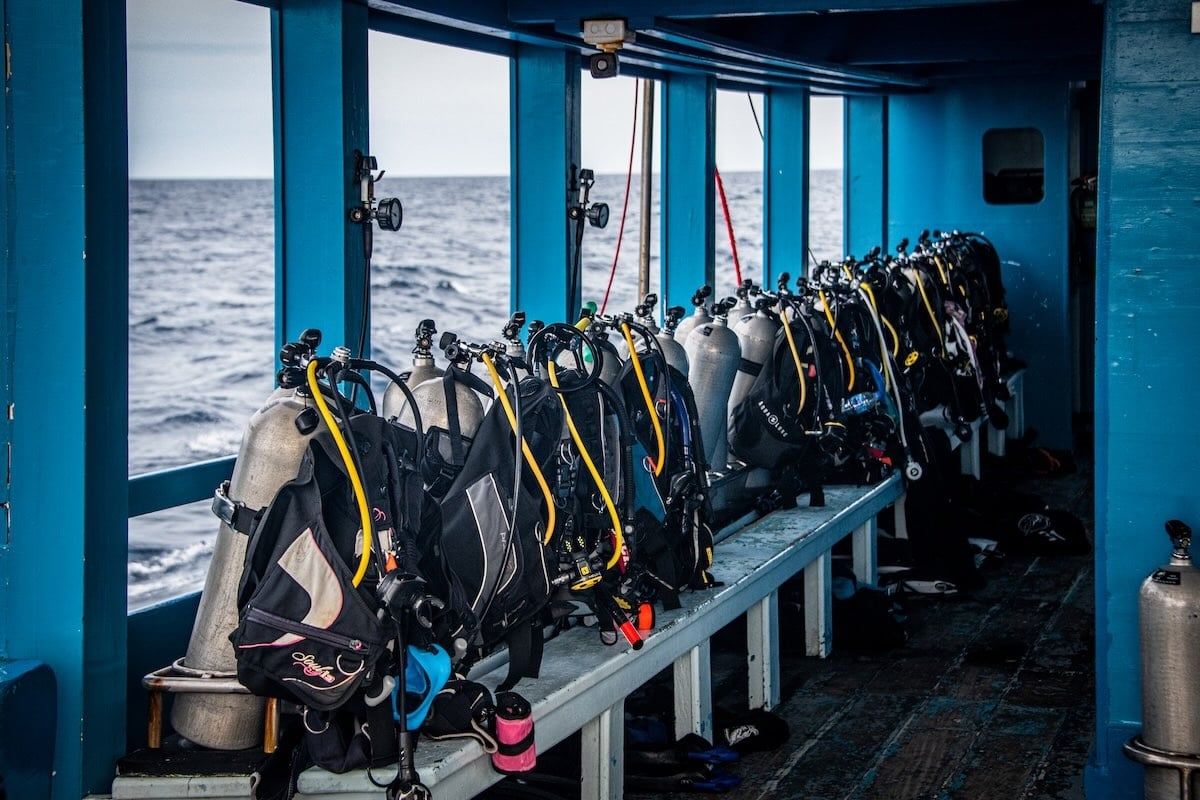
When it comes to diving, the difference is clear—especially in the equipment provided. At Black Turtle Dive, we believe in offering only the best. Our premium scuba gear not only enhances your dive experience but also ensures safety and reliability.
Why Quality Matters
We provide reputable brands to minimise the chances of failure and maintain consistent performance. Our high-performance gear is designed to boost both comfort and confidence underwater.
Regulators: We feature Aqualung Helix Balanced regulators, known for their exceptional design. These regulators deliver a consistent airflow by automatically compensating for changes in tank pressure and depth, resulting in smooth, effortless breathing throughout your dive.
BCD Systems: Our Aqualung Pro HD BCDs are an industry favourite, built for comfort, stability, and reliability. With an integrated weight system and durable construction, they offer precise buoyancy control, helping you feel balanced and in control on every dive.
Focus on What Matters
With quality equipment you can trust, you’re free to focus on what matters most—enjoying your dive.
Commitment to Maintenance
Maintaining regulators and BCDs is a significant investment. Quality dive equipment should be serviced regularly, ideally every six months. At Black Turtle Dive, we ensure our gear undergoes regular daily inspections and is serviced between three to six months. Key items are replaced every two to three years for optimal performance.
Scuba tanks also undergo rigorous routine inspections. Through regular visual checks and scheduled hydrostatic testing, each cylinder is thoroughly assessed for strength, cleanliness, and performance, giving you complete confidence in the air you breathe underwater.
Premium dive schools invest in high-quality equipment. They also emphasize teaching students how to care for scuba gear. You’ll learn how to properly maintain, store, wash, and monitor your equipment while it’s in use.
The Risks of Poor Maintenance
In contrast, some dive schools may use equipment for five to ten years, leading to issues like sticky buttons, air leaks (often visible as bubbles), and poorly fitting or worn-out wetsuits. Always avoid wetsuits with holes or tears, as these can leave you cold and uncomfortable during your dive.
Well-maintained, up-to-date equipment is essential for both safety and enjoyment underwater.
Inclusion of a Dive Computer
This is a significant differentiator. For many dive schools, you might be taught to rely on your instructor’s dive computer. At Black Turtle Dive we provide every student with their own dive computer.
Learning to use a dive computer from day one is essential for modern diving safety. It teaches personal responsibility for your depth and no-decompression limits—a skill that could save your life when diving independently and a piece of equipment that should be taken out on every single dive.
4. Diving Instruction: Quality Over Speed
When it comes to the PADI Open Water course, clear performance requirements are essential. However, the way these requirements are met can make all the difference.
The Pitfalls of Budget Courses
Many budget courses rush through theory and shorten pool sessions just to get you into the ocean faster. While this may seem efficient, it often shifts the focus from genuine understanding and skill development to ticking boxes.
Rushed training can compromise safety, limit skill growth, diminish both confidence and overall enjoyment of the dive experience.
A Different Approach at Black Turtle Dive
At Black Turtle Dive, we prioritise quality over speed. We dedicate a full confined pool day at the start of your training to ensure that skills are not just completed but truly learned, practiced, and mastered.
This strong foundation builds confidence, control, and awareness—allowing you to become a capable diver even before you set foot in the ocean. Our relaxed and supportive learning environment produces divers who are not just certified but truly skilled.
5. The Importance of Instructor Compensation in Dive Training
Instructor compensation is a key indicator of a dive centre’s commitment to quality, safety, and professional standards. When dive instructors are well-compensated, it reflects their value and dedication to the dive centre, allowing them to focus on delivering thorough, student-centered training.
Benefits of Well-Compensated Instructors
- Individual Attention: Instructors with adequate support and compensation can devote more time to each student, ensuring personalized attention and guidance.
- High Safety Standards: Well-compensated instructors are more likely to maintain high safety standards, creating a secure learning environment for all divers.
- Supportive Learning Atmosphere: A focus on instructor well-being fosters a relaxed and supportive atmosphere, making the learning process more enjoyable.
- Attracting Talent: Competitive compensation helps attract and retain experienced professionals who are passionate about teaching and sharing their love for diving.
Better Training Outcomes
Ultimately, strong instructor compensation leads to better training outcomes. Divers trained by dedicated instructors are not only more confident and capable but also truly prepared for the underwater environment. Investing in instructors is an investment in the success and safety of every diver.
6. Marine Protection and Awareness
Scuba diving opens the door to an incredible yet fragile underwater world. From your very first dive, dive schools play a vital role in instilling not just skills, but also a sense of responsibility.
Coral reefs are highly sensitive ecosystems, and without proper training, new divers can unintentionally cause damage through poor buoyancy or lack of awareness. The habits formed during early training often last a lifetime, making environmental awareness essential from the start.
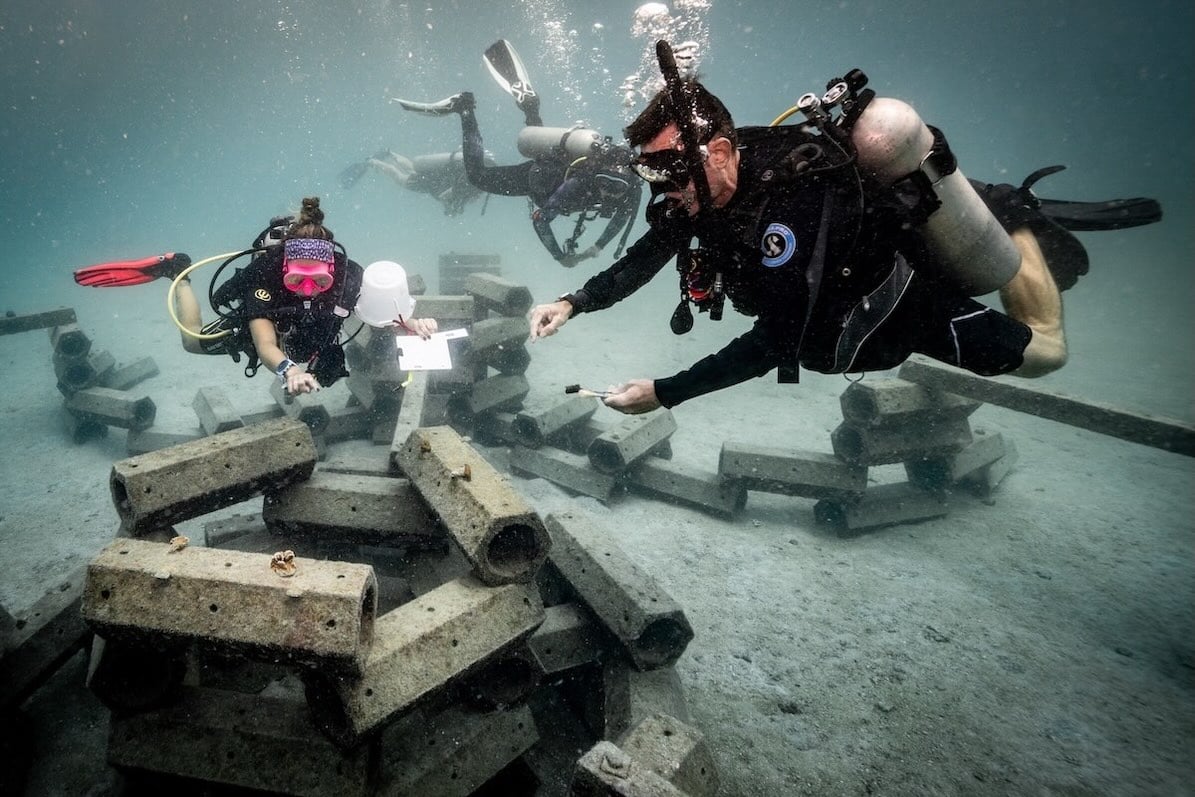
At Black Turtle Dive, we prioritise marine protection—not just teaching you how to dive, but also how to understand and interact responsibly with the ocean. Our commitment includes promoting reef-safe sunscreen, organizing regular beach clean-ups, and operating non-smoking boats. We actively encourage simple, land-based actions that positively impact the marine environment.
The Premium Advantage: What Your Money Actually Buys in Diving Courses
When you invest in a more expensive diving course at a 5-Star CDC (Career Development Center) or a premium boutique dive school, you’re not just paying for a brand name—you’re investing in a significantly higher standard of service.
You Are Buying a Mentor, Not Just a Card
A common misconception is that every dive instructor teaches the same PADI diving course. While the curriculum is standardized, the delivery is not.
The Career Professional vs. The Backpacker Instructor
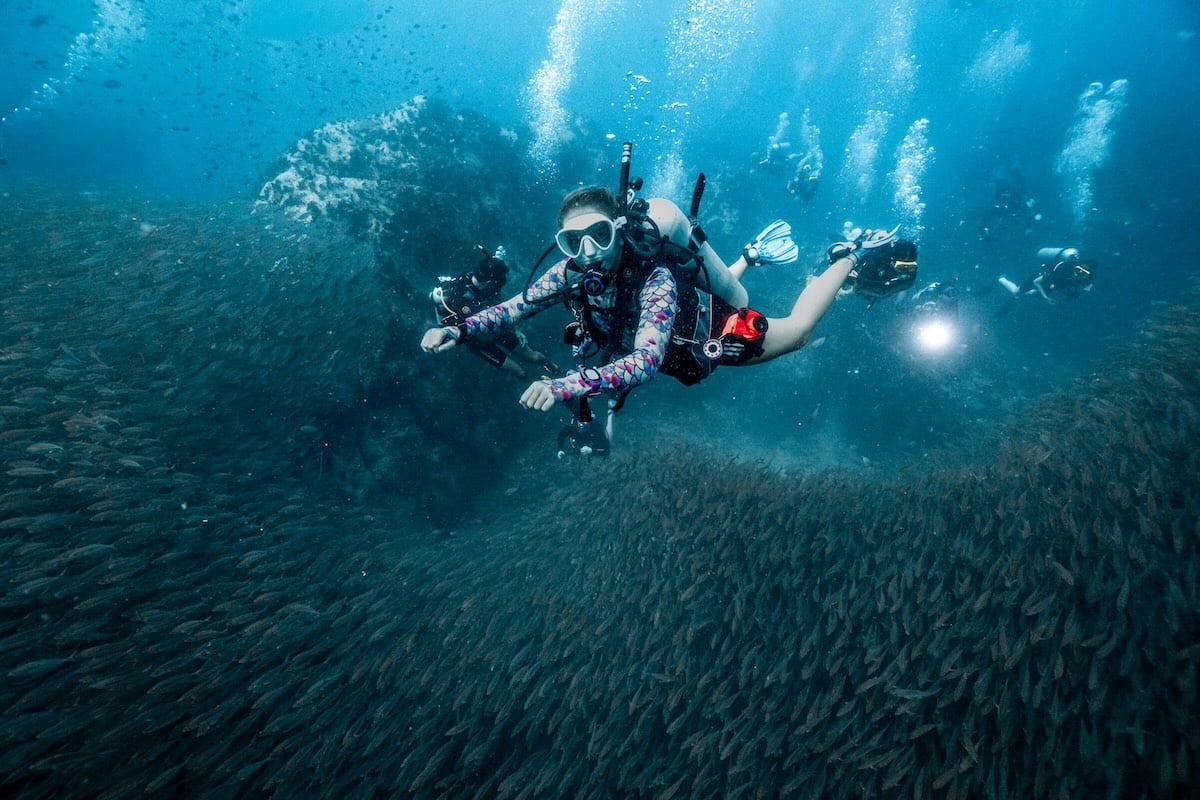
A career-focused dive school tends to employ long-term staff rather than freelance instructors who may only work once or twice. A stable team creates a strong connection and a positive working environment, enabling them to attract and retain career instructors with thousands of dives, local knowledge, and years of experience.
A well-compensated instructor is a relaxed one, fully focused on your dive education.
Neutral Buoyancy Focus
Many dive schools teach skills while students kneel on the sand. While this might simplify things for the instructor, it can harm the marine environment and limit skill development.
Neutral buoyancy should be emphasized from the very beginning of your diving journey. Choosing a premium dive center ensures that students learn to perform skills while hovering mid-water instead of resting on the seabed.
This method is more challenging and requires greater time, patience, and instruction, but it leads to a far higher standard of training—producing divers who protect the reef, maintain better control, and use their air more efficiently.
Price Comparison vs. Value Comparison
To help you decide, let’s look at what a typical Budget vs. Premium Open Water course might look like on Koh Tao.
| Feature | Budget Course (9,000 – 10,000 THB) | Premium Course (11,000 – 14,000 THB) |
| Group Size | 4 – 8 Students | 2 – 4 Students |
| Dive Computer | Not included (follow instructor) | Included for every student, every diver |
| Pool Training | Ocean or in shared pool | Private, purpose-built pool |
| Equipment | Basic /Well-used, often old | Premium/New/Well Maintained/No bubbles |
| Instruction | Ticking a box = meeting the minimum standard | Mastery = building lasting skills, confidence, and safety |
| Course Duration |
Why Cheaper Can Cost More in the Long Run
Choosing a lower-cost dive school may seem like a smart way to save money—but in many cases, it can end up costing more over time.
For some, a poor first experience—often caused by large group sizes or low-quality equipment—can take the enjoyment out of diving altogether. Many divers never return to the water, turning what should have been a lifelong passion into a missed opportunity, along with wasted time and money.
Others may leave their course lacking confidence. Without proper training and support, it’s common to feel unprepared on your next dive trip, leading to the need for a refresher course elsewhere—adding unexpected costs.
There’s also an environmental cost to consider. Poor buoyancy control and rushed training can result in accidental damage to coral reefs and marine habitats. These impacts may seem small in the moment, but over time, they contribute to the degradation of the very ecosystems we come to explore.
An Investment in Your Safety
When comparing dive course prices in Koh Tao, it’s important to remember what you’re truly investing in—a lifetime certification, and the skills to safely explore the underwater environment that humans were never designed for.
Spending an extra 2,000–3,000 THB on a premium dive school offers far more than just a course. It means learning from experienced, dedicated instructors who have the time to focus on your development. It means breathing high-quality air from well-maintained tanks, using reliable, carefully serviced equipment, and training in an environment where safety and comfort are prioritised at every step.
It also means learning without pressure. Instead of being rushed through skills, you’re given the time to understand, practise, and build confidence—creating a strong foundation that will stay with you throughout your diving journey.
The difference may seem small when booking, but underwater, that difference becomes everything. It shapes how comfortable you feel, how well you respond in new situations, and how much you truly enjoy each dive.
Don’t aim to simply collect a certification card—aim to become a confident, capable diver. Choose a dive school that values your education, your experience, and your safety as much as you do.
Written by Matt Bolton
Founder @ Black Turtle Dive | Co-Founder – Eco Koh Tao & Isla Tortuga Divers | PADI Platinum Course Director @ IDC Koh Tao | Dive Industry Consultant | Marine Conservation Pioneer
Divemaster Toolkit: Learning Practical Skills
BOOK COURSES – PRICES