Understanding Coral and Coral Bleaching
Coral reefs are among the most fascinating and important ecosystems on our planet, yet many scuba divers and ocean visitors often ask questions such as “What exactly is coral?” and “Why are coral reefs so important?” — understanding the answers helps us develop a far deeper appreciation for the underwater environments we explore.
For scuba divers in particular, learning about coral reefs is an essential part of becoming a more knowledgeable and environmentally responsible ocean explorer. Coral reefs support an extraordinary diversity of marine life, protect coastlines, contribute to local economies, and play a vital role in maintaining healthy ocean ecosystems worldwide.
At the same time, coral reefs are facing increasing pressure from climate change, pollution, overfishing, and rising ocean temperatures. One of the most visible signs of this environmental stress is coral bleaching — a phenomenon that has become increasingly common across reefs around the world.
Ocean Advocate
By understanding what coral is, how reefs function, and why coral bleaching occurs, divers can gain a greater awareness of the environmental challenges facing our oceans in the 21st century. More importantly, this knowledge empowers individuals to make informed choices, support marine conservation efforts, and become stronger advocates for ocean protection.
Through education, awareness, and responsible diving practices, every diver has the opportunity to contribute towards the long-term protection of coral reef ecosystems and help ensure these incredible underwater environments continue to thrive for future generations.
Is Coral an animal or a plant?
One of the most common questions asked by divers and ocean enthusiasts is whether coral is a plant or an animal. While coral may often resemble underwater plants or colourful rocks, corals are actually living marine animals.
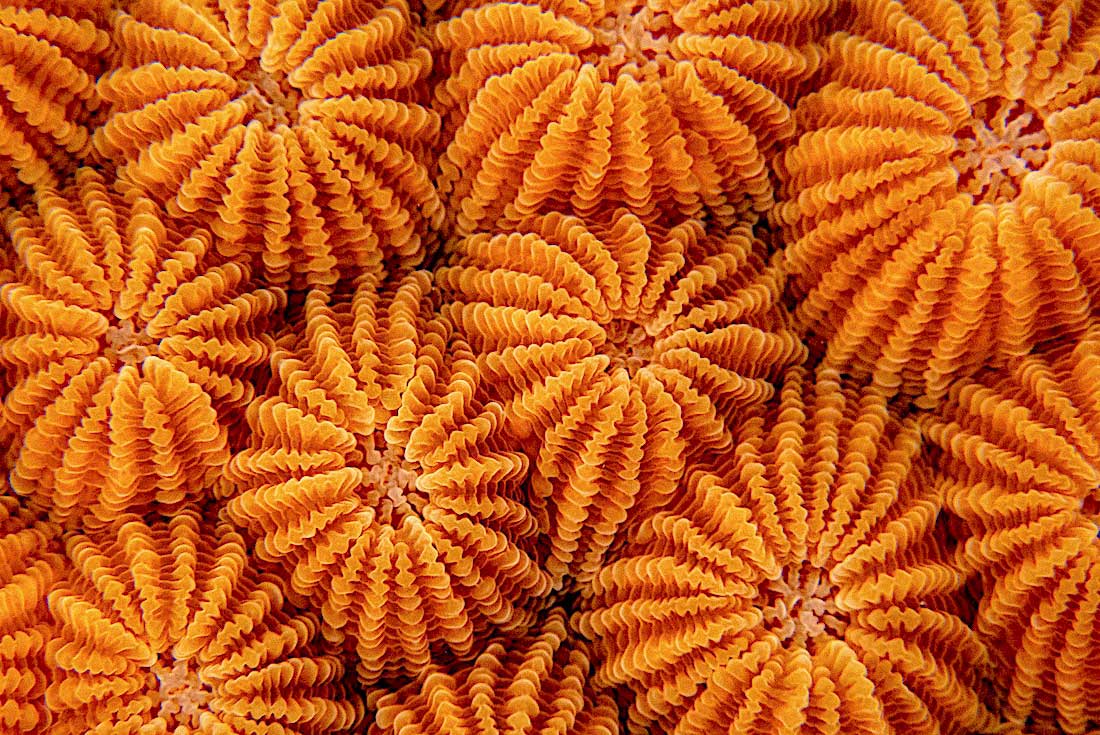
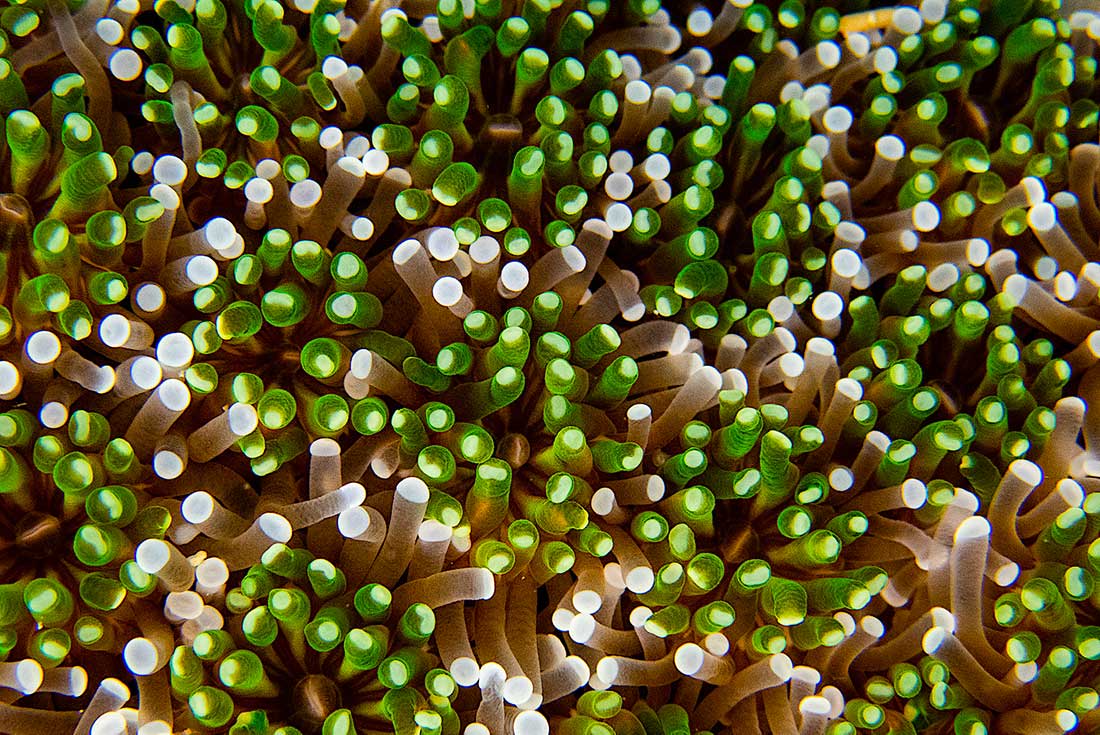
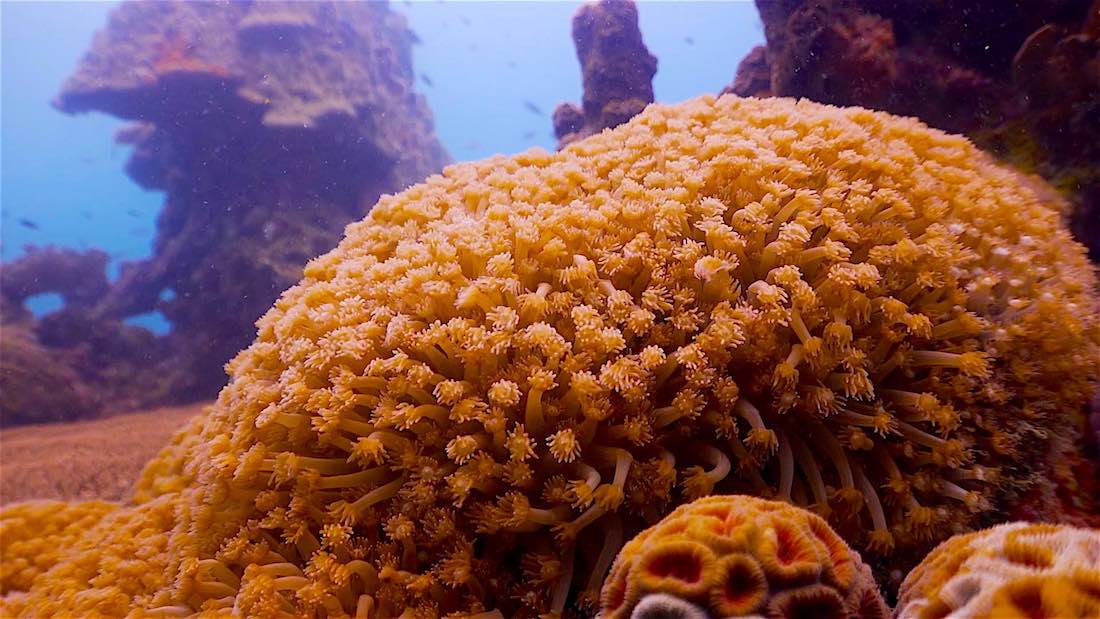
Corals are marine invertebrates belonging to the class Anthozoa within the phylum Cnidaria — the same animal group that includes sea anemones and jellyfish. The individual coral animals are known as polyps, which are small, soft-bodied organisms typically shaped with a cylindrical body and a central mouth surrounded by tentacles.
These tentacles serve several important functions, including defence, removing debris, and capturing tiny drifting organisms from the water column for food. While some coral polyps can exist individually, the majority of reef-building corals live together in large colonies made up of thousands of interconnected polyps working collectively as a single living structure.
Reef building Corals
Hard corals, also known as stony corals or scleractinians, are among the most important reef-building organisms found within tropical marine ecosystems. These corals produce a hard external skeleton made from calcium carbonate, which gradually forms the physical structure of coral reefs over many years.
As coral colonies continue to grow, layer upon layer of calcium carbonate is deposited, creating the vast reef systems that support some of the highest levels of marine biodiversity anywhere on Earth.
The Relationship Between Coral and Zooxanthellae
One of the most remarkable aspects of coral biology is its close relationship with microscopic algae known as zooxanthellae. These tiny algae, scientifically referred to as endosymbiotic dinoflagellates, live within the tissues of the coral in a mutually beneficial symbiotic relationship.
Tropical ocean waters are often relatively low in nutrients, meaning corals rely heavily on these microscopic algae for survival. Through the process of photosynthesis, zooxanthellae convert sunlight into energy and transfer much of this energy directly to the coral host. This provides corals with the energy required to grow, remain healthy, and continue building their calcium carbonate skeletons.
In return, the coral provides the algae with protection, access to sunlight, and nutrients produced through the coral’s natural metabolic processes. This highly efficient recycling system allows both organisms to thrive in nutrient-poor tropical waters.
The presence of zooxanthellae is also what gives many coral species their vibrant colours. Without these algae, corals lose much of their pigmentation — a process directly linked to coral bleaching, one of the major environmental challenges currently affecting reef ecosystems around the world.
Why are Coral reefs so important?
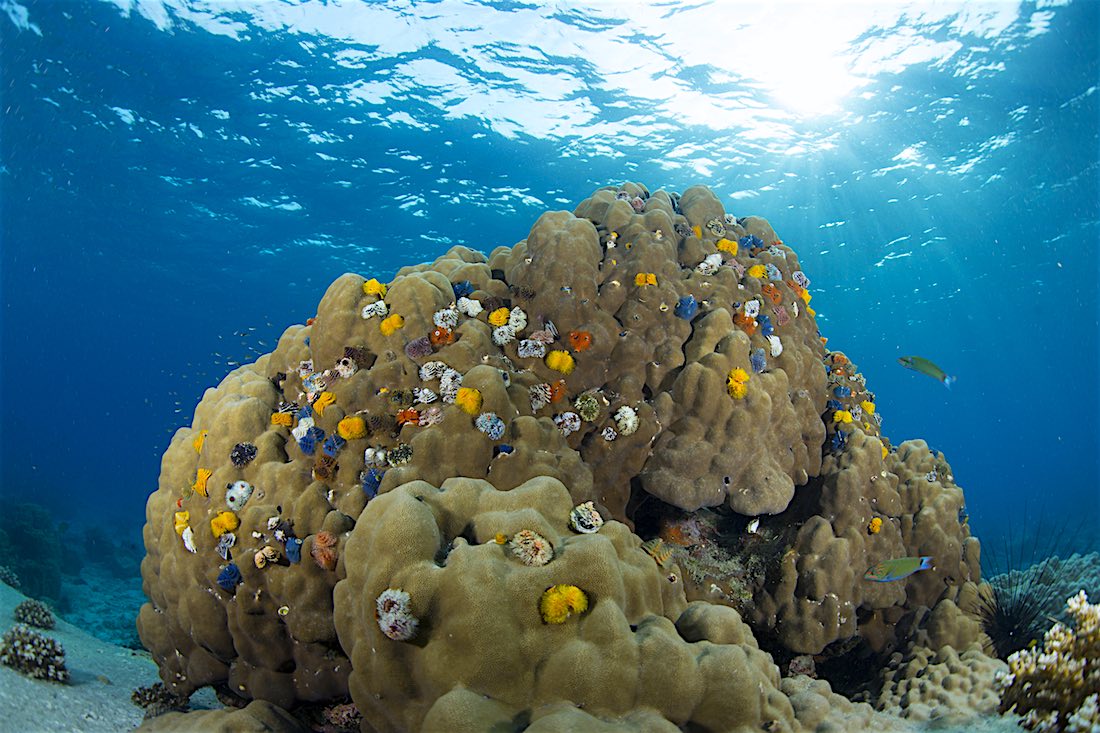
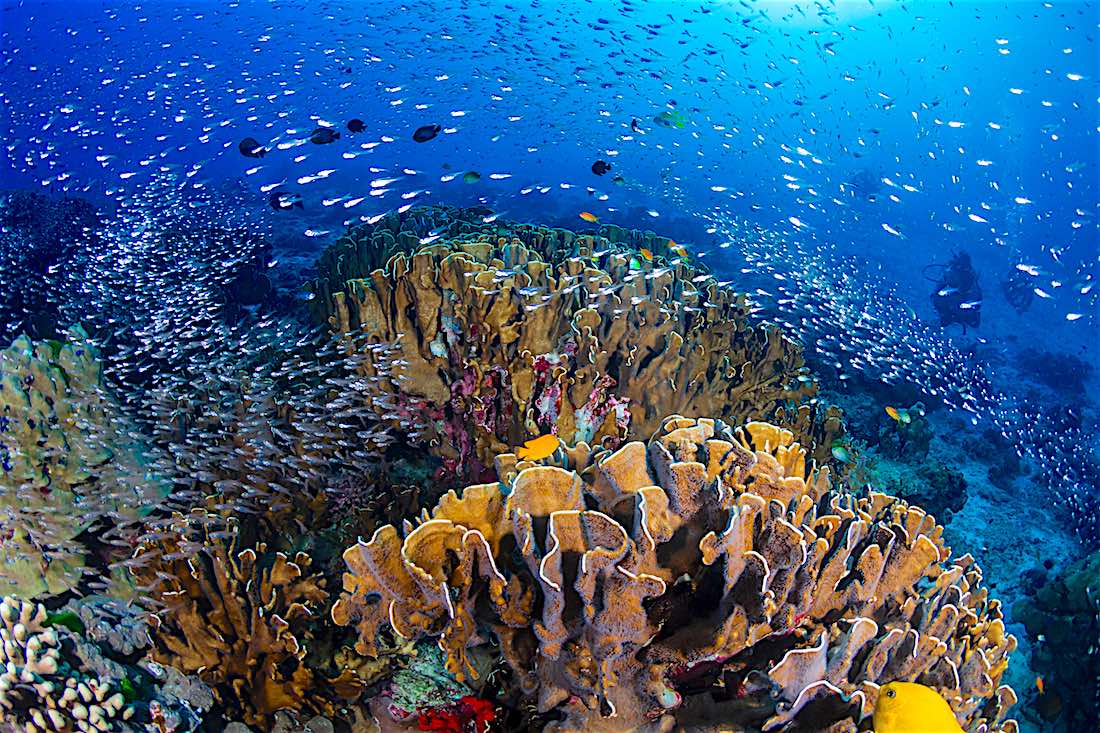
Often referred to as the “rainforests of the ocean,” coral reefs are among the most biologically diverse and valuable ecosystems on Earth. Despite covering less than 1% of the ocean floor, coral reefs support an extraordinary variety of marine life and provide essential ecological functions that benefit both the oceans and human populations around the world.
A single coral reef can support thousands of species, including fish, crustaceans, mollusks, sea turtles, sharks, and countless microscopic organisms. The waters of Southeast Asia are recognised as some of the most biodiverse marine environments on the planet, containing an incredible concentration of both coral and fish species within relatively small areas.
Essential Marine Habitat
Coral reefs provide food, shelter, breeding grounds, and nursery habitats for approximately 25% of all known marine species at some stage of their life cycle. The complex structures created by reef-building corals form highly productive ecosystems that support intricate food webs and healthy marine populations.
Many commercially important fish species also rely on coral reefs during parts of their development, making reefs critically important not only for biodiversity but also for global fisheries and food security.
Supporting Ocean Health
Beyond their role as marine habitats, coral reefs contribute significantly to maintaining healthy ocean ecosystems. Coral reef systems assist in important biological and chemical processes such as carbon and nitrogen cycling, helping regulate nutrient availability within marine food chains.
Healthy reefs also act as natural coastal barriers, reducing wave energy and helping protect shorelines from erosion, storms, and flooding. In many tropical regions, coral reefs provide vital protection for coastal communities and ecosystems.
Importance for Humanity
Coral reefs also hold enormous social, economic, and cultural value. Millions of people worldwide depend directly on coral reef ecosystems for food, tourism, employment, and coastal protection. Industries such as scuba diving and marine tourism are heavily reliant on healthy reef systems, supporting local economies across many tropical regions.
However, coral reefs are increasingly threatened by climate change, pollution, overfishing, coral bleaching, and habitat destruction. Understanding the importance of coral reefs is therefore essential for promoting conservation, responsible tourism, and long-term ocean sustainability.
By learning more about coral reef ecosystems, divers and ocean enthusiasts can play an important role in supporting marine conservation efforts and helping protect these extraordinary underwater environments for future generations.
What is Coral Bleaching?
Coral bleaching is a stress response that occurs when corals are exposed to unfavourable environmental conditions, most commonly elevated ocean temperatures. When water temperatures become too warm, corals expel the microscopic algae living within their tissues, causing the coral to lose its vibrant colour and turn white — a phenomenon known as coral bleaching.
These microscopic algae, known as zooxanthellae, are essential to coral health and survival. Through photosynthesis, they provide corals with the majority of the energy required for growth, reproduction, and the formation of their calcium carbonate skeletons.
Once the algae are expelled, the coral loses its primary source of nutrition and becomes significantly more vulnerable to stress, disease, and mortality. Although bleached corals are not immediately dead, prolonged bleaching events can severely weaken coral colonies and, if stressful conditions persist, may eventually lead to large-scale reef degradation.
What Causes Coral Bleaching?
Climate change is widely recognized as the leading cause of mass coral bleaching events occurring around the world today. As global temperatures continue to rise, ocean temperatures are also increasing, placing coral reef ecosystems under growing environmental stress.
Corals are highly sensitive to temperature changes, and bleaching can occur when sea temperatures rise by as little as 1°C above normal seasonal averages for extended periods. Even relatively small increases in temperature can disrupt the delicate symbiotic relationship between corals and zooxanthellae, causing the coral to expel the algae from its tissues.
Why Some Corals Bleach More Than Others
Not all coral species respond to environmental stress in the same way. Some species are naturally more resistant to heat and light stress, while others bleach more rapidly under changing conditions. Even individual coral colonies within the same reef may react differently depending on factors such as water depth, sunlight exposure, water flow, and overall environmental health.
Scientists continue to study why certain corals demonstrate greater resilience to bleaching, as understanding these differences may play an important role in future coral reef conservation and restoration efforts.
The Importance of Coral Reef Protection
Coral bleaching has become one of the greatest threats facing reef ecosystems globally. As bleaching events become more frequent and severe, the health and survival of coral reefs are increasingly at risk.
Protecting coral reefs requires both global and local action, including reducing greenhouse gas emissions, improving water quality, limiting pollution, supporting sustainable tourism practices, and promoting marine conservation initiatives.
For divers and ocean enthusiasts, understanding coral bleaching is an important step towards becoming more informed ocean advocates and contributing to the long-term protection of these extraordinary underwater ecosystems.
Can Coral Recover from Bleaching Events?
Coral reefs have the ability to recover from bleaching events under the right environmental conditions. If elevated ocean temperatures are only temporary and stress levels reduce quickly enough, surviving corals may gradually regain the microscopic algae living within their tissues and begin recovering their colour, health, and energy supply.
Healthy neighbouring coral colonies can also assist recovery by supporting natural reef regeneration processes, helping repopulate damaged areas over time through coral reproduction and larval settlement.
However, coral recovery is highly dependent on the severity and duration of the bleaching event. When bleaching is prolonged or combined with additional environmental stressors such as pollution, sedimentation, overfishing, or ocean acidification, large areas of coral may die, and full ecosystem recovery can take many years—or may not occur at all in severely degraded environments.
Factors Influencing Coral Recovery
A wide range of environmental conditions influence how successfully coral reefs recover after bleaching events. These include:
- Water temperature stability
- Ocean currents and water circulation
- Access to cooler water upwellings
- Weather conditions
- Local water quality
- Human impacts such as coastal development and pollution
Some reef areas naturally demonstrate greater resilience due to favourable environmental conditions, while others remain more vulnerable to repeated stress events.
Differences in Coral Resilience
Scientists have also observed that different coral species—and even individual colonies within the same species—can respond very differently to bleaching stress. Some corals possess a greater natural tolerance to heat and environmental change, allowing them to survive conditions that may severely impact neighboring colonies.
Interestingly, the same coral species may display contrasting bleaching responses in different geographical locations depending on local environmental conditions. These spatial differences are an important area of ongoing scientific research and may help improve future coral conservation and restoration strategies.
The Impact of Ocean Acidification
In addition to rising ocean temperatures, coral reefs are also increasingly threatened by ocean acidification. This process occurs as excess atmospheric carbon dioxide (CO₂), largely produced through greenhouse gas emissions, is absorbed by the ocean.
As ocean acidity increases, corals experience greater difficulty producing calcium carbonate — the material used to build and repair their skeletons. This weakens coral growth rates, reduces reef resilience, and limits the ability of reefs to recover effectively after bleaching events or physical damage.
How Have Coral Reefs on Koh Tao Been Affected by Coral Bleaching?
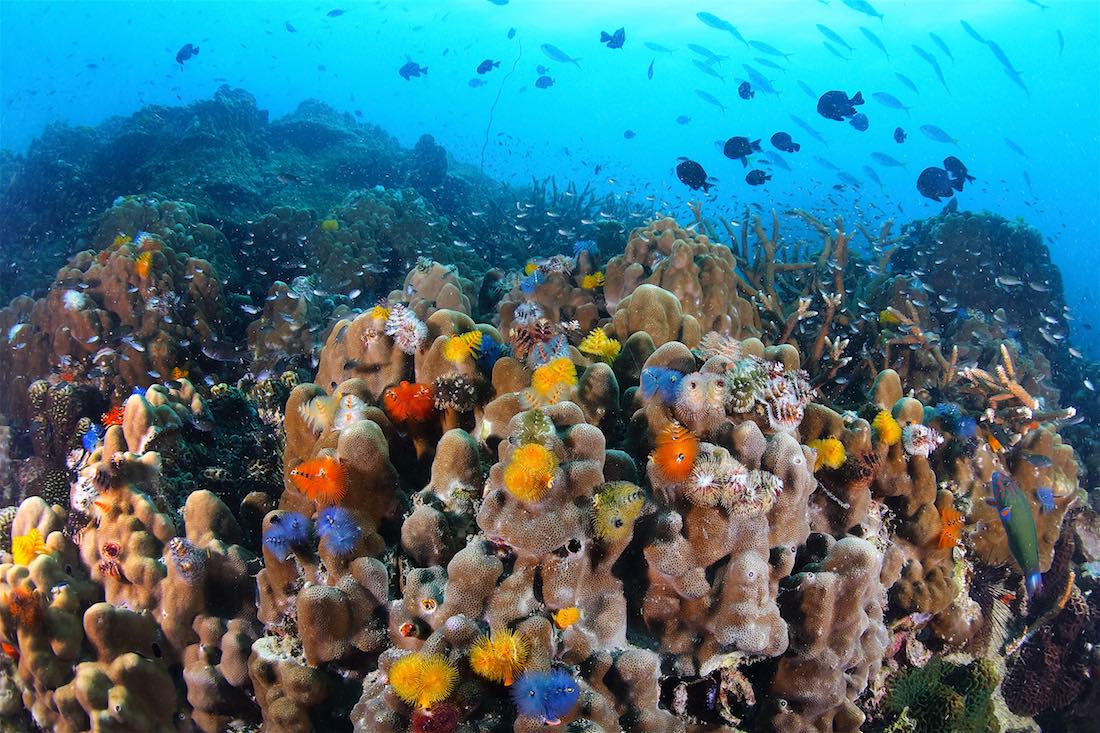
Like many coral reef systems around the world, the reefs surrounding Koh Tao have experienced several significant coral bleaching events over recent decades. Major bleaching events were recorded in 1998, 2010, 2014, and 2016, each impacting the overall health, coral cover, and resilience of local reef ecosystems.
Among these events, the bleaching episodes of 1998 and particularly 2010 were considered the most severe. The 2010 bleaching event lasted for approximately five months and resulted in unprecedented levels of coral stress across many of Koh Tao’s shallow reef systems. In some bays around the island, large percentages of coral mortality were observed, particularly in shallow-water environments where corals are often more exposed to elevated sea temperatures and intense sunlight.
Coral Recovery on Koh Tao
Following major coral bleaching events, coral reefs often experience significant stress, leaving many coral colonies more vulnerable to disease, predation, and physical damage. Recovery can therefore be a slow and fragile process, particularly when reefs are exposed to repeated environmental pressures over short periods of time.
After the severe bleaching event of 1998, studies estimated that Koh Tao lost approximately 17% of its coral cover within just five years. The impacts were especially noticeable within shallow reef environments, where corals are more exposed to elevated sea temperatures and intense sunlight.
Despite these disturbances, the reefs surrounding Koh Tao have demonstrated a remarkable ability to recover over the past two decades. Long-term reef monitoring surveys have documented encouraging signs of regeneration, including increased coral growth, juvenile coral recruitment, and improving reef development across several sites between 2006 and 2014.
Ecological survey data has also shown that Koh Tao continues to support some of the highest levels of coral cover and marine biodiversity within the Gulf of Thailand. This highlights both the resilience of local reef ecosystems and the importance of maintaining healthy environmental conditions that support natural coral recovery processes.
However, coral recovery remains an ongoing challenge. Repeated bleaching events, rising ocean temperatures, pollution, and other human impacts continue to place pressure on reef ecosystems. In many cases, reefs may begin recovering only to face additional warming events before full recovery can occur.
This ongoing cycle of bleaching and regeneration demonstrates both the vulnerability and resilience of coral reef ecosystems. While many coral species can recover under favourable conditions, increasing environmental pressures associated with climate change continue to threaten the long-term health of reefs around Koh Tao and globally.
The Importance of Continued Conservation
Protecting coral reefs requires long-term conservation efforts, scientific monitoring, responsible tourism practices, and increased environmental awareness. Around Koh Tao, initiatives such as reef monitoring programs, coral restoration projects, marine education, and citizen science activities all contribute towards improving reef resilience and supporting the future health of local marine ecosystems.
Understanding both the challenges facing coral reefs and their potential for recovery highlights the importance of continued conservation efforts and reinforces the vital role divers, conservationists, researchers, and local communities play in safeguarding these ecosystems for future generations.
Monitoring Coral Health Through Citizen Science
One of the most effective ways to help monitor coral bleaching events is through regular coral health surveys, and as scuba divers on Koh Tao, we are in a unique position to contribute directly to reef conservation efforts.
At Black Turtle Dive, we participate in local CoralWatch surveys — a simple, non-invasive coral health monitoring method developed by scientists at the University of Queensland. The program was designed to make coral reef monitoring accessible to both scientists and the wider public, allowing divers and snorkellers to actively contribute towards global coral conservation research.
What is CoralWatch?
CoralWatch uses a standardised Coral Health Chart to assess the colour of living coral tissue, which provides an indication of coral health and potential bleaching stress. By comparing coral colours against the chart, participants can record valuable data that helps track changes in reef health over time.
The simplicity of the system means that almost anyone — from experienced marine scientists to recreational snorkellers and scuba divers — can participate in monitoring coral reefs anywhere in the world.
Citizen Science and Coral Conservation
Programs such as CoralWatch play an important role in citizen science by allowing ocean users to contribute meaningful scientific data while increasing awareness and understanding of coral reef ecosystems.
By participating in coral health surveys, divers gain a deeper understanding of:
- Coral reef ecology
- The causes and impacts of coral bleaching
- The importance of long-term reef monitoring
- The environmental pressures affecting marine ecosystems
At the same time, the data collected contributes towards larger scientific databases used to monitor coral reef health and identify global bleaching trends.
Contributing to Global Reef Monitoring
Using the CoralWatch App or online database, divers and snorkellers can upload their survey results directly to the global CoralWatch network. These submissions help researchers and conservation organisations track reef conditions across different regions and better understand how coral ecosystems are responding to environmental change.
Citizen science initiatives like CoralWatch demonstrate how recreational divers can become active ocean advocates, transforming everyday dives into valuable conservation opportunities while helping protect coral reef ecosystems for future generations.
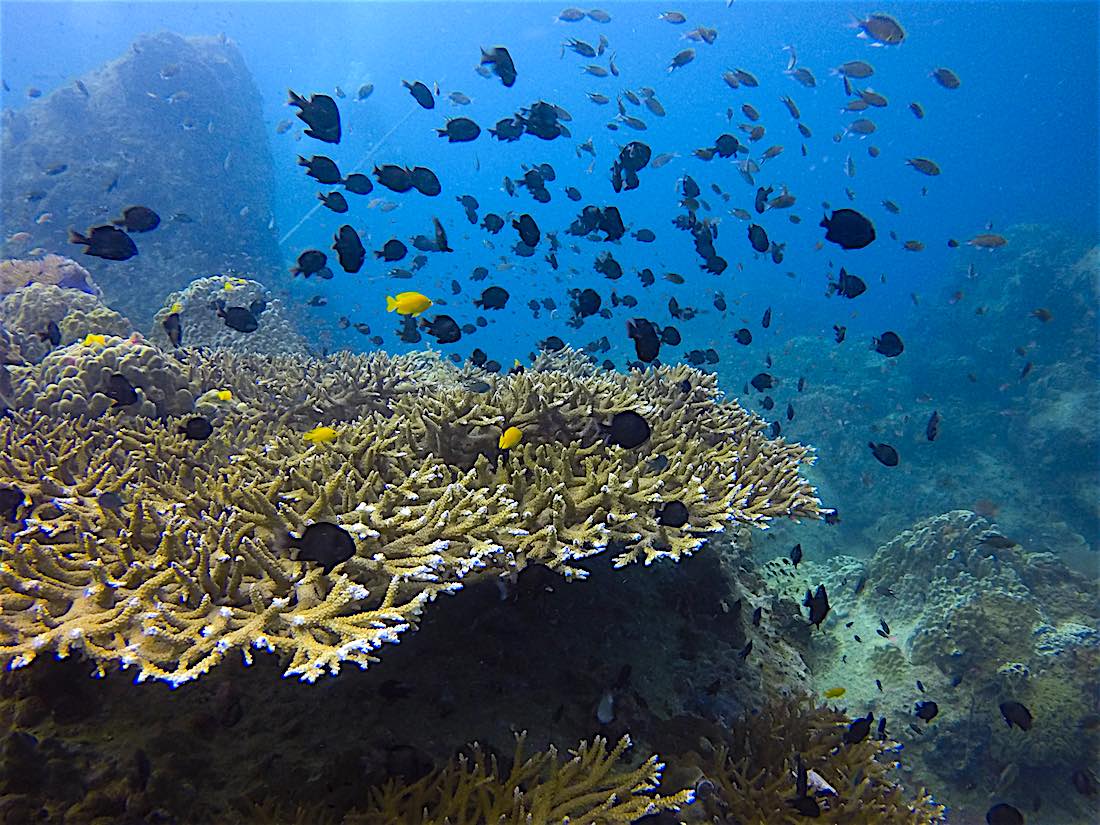
How Can We Help Solve the Problem of Coral Bleaching?
Coral bleaching is one of the greatest environmental challenges facing our oceans today, and addressing it is far from simple. Protecting coral reef ecosystems requires global cooperation, long-term environmental commitment, and meaningful action to reduce the impacts of climate change.
Rising ocean temperatures, driven largely by greenhouse gas emissions, remain the leading cause of mass coral bleaching events around the world. Corals are highly sensitive organisms with relatively narrow thermal tolerance limits, meaning even small increases in sea temperature can place them under significant stress. When these temperature thresholds are exceeded for extended periods, corals may expel the symbiotic algae essential to their survival, leading to bleaching and, in severe cases, widespread coral mortality.
Climate Change and Ocean Health
Climate change does not only warm the oceans — it also contributes to ocean acidification. As increased levels of carbon dioxide (CO₂) are absorbed by seawater, ocean chemistry changes, reducing the ability of corals to build and repair their calcium carbonate skeletons. This weakens reef resilience and further increases the vulnerability of coral ecosystems already under pressure from warming seas.
The combination of rising temperatures, ocean acidification, pollution, overfishing, and coastal development places immense stress on coral reefs globally. As bleaching events become more frequent and severe, many reefs are left with less time to recover between disturbances.
The Importance of Global Action
Ultimately, reducing greenhouse gas emissions and addressing climate change remain the most important long-term solutions for protecting coral reefs from large-scale bleaching events. Achieving this requires international cooperation between governments, industries, scientists, conservation organisations, and local communities.
While global climate action is essential, local conservation efforts also play an important role in improving reef resilience. Reducing pollution, protecting marine habitats, promoting sustainable tourism, supporting marine protected areas, and encouraging responsible diving practices can all help lessen additional pressures on coral reef ecosystems.
How Divers Can Make a Difference
Scuba divers and ocean enthusiasts are uniquely positioned to become advocates for coral reef protection. Through education, citizen science programs, responsible diving practices, and support for conservation initiatives, divers can actively contribute towards reef monitoring and marine ecosystem protection.
Although coral bleaching presents a significant global challenge, increased awareness, scientific research, and collective conservation efforts continue to provide hope for the future of coral reefs. Protecting these ecosystems is not only important for marine biodiversity but also for the health of our oceans, coastal communities, and the planet as a whole.
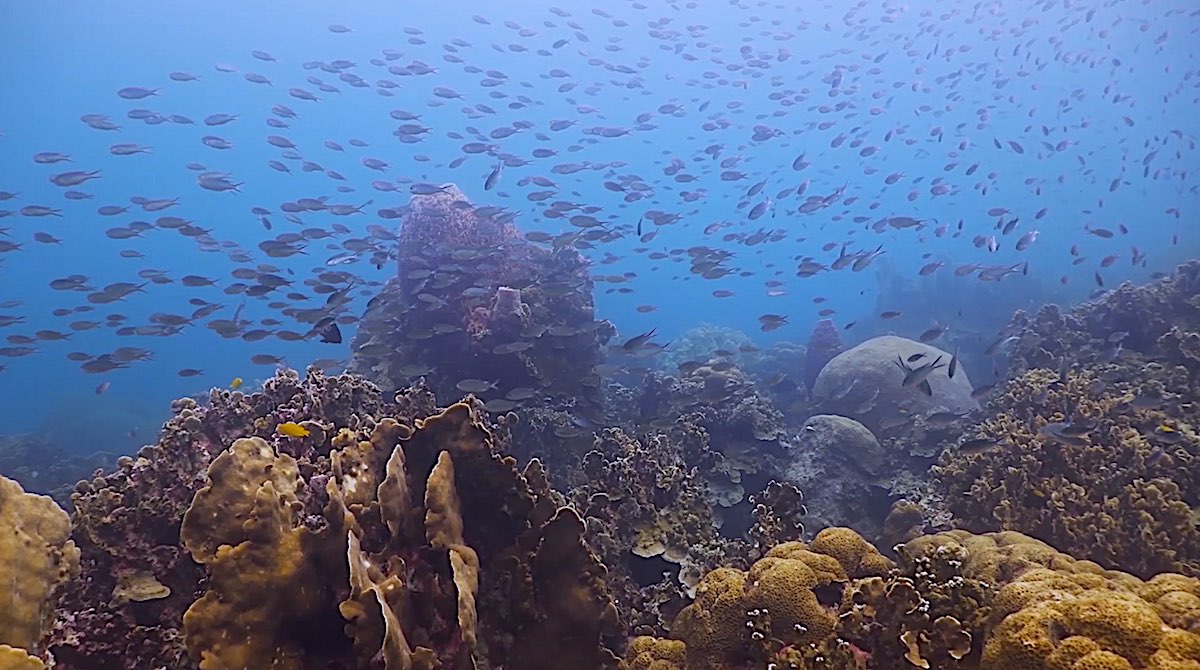
How to Reduce Your Carbon Footprint
While solving climate change requires global action, individuals can still make meaningful lifestyle changes that help reduce environmental impact and support the long-term health of our oceans and coral reefs.
Reducing your carbon footprint begins with making more sustainable everyday choices. Walking, cycling, car sharing, or using public transport instead of driving whenever possible can help lower greenhouse gas emissions and reduce overall energy consumption.
Conserving Water and Energy
Water conservation is another important step. Treating, heating, and transporting water requires significant amounts of energy, meaning reducing water usage can also help reduce carbon emissions. Simple actions such as taking shorter showers, turning off taps while brushing your teeth, and using water-efficient appliances can collectively make a substantial difference over time.
Reducing household electricity consumption by switching off unused appliances, improving energy efficiency, and choosing sustainable energy sources where possible can further help minimise environmental impact.
Reducing Waste and Pollution
Limiting waste production is equally important for protecting marine ecosystems. Reducing reliance on single-use plastics, recycling correctly, composting food waste, and minimising unnecessary packaging all help reduce pollution entering the environment and eventually the ocean.
Where possible, avoiding the use of harmful pesticides and chemical fertilisers can also help reduce runoff into rivers, coastal waters, and coral reef ecosystems.
Supporting Sustainable Oceans
Our food choices can also directly impact ocean health. Overfishing and destructive fishing practices place significant pressure on marine ecosystems, including coral reefs. Making informed and sustainable seafood choices helps support healthier fish populations and more balanced marine ecosystems.
Small Actions Create Collective Change
Although individual actions alone will not solve climate change, collective changes in behaviour can have a powerful impact when adopted across communities worldwide. By making more environmentally conscious decisions in everyday life, individuals can actively contribute towards reducing environmental pressures on coral reefs and supporting the long-term protection of our oceans.
For divers and ocean enthusiasts, protecting the marine environment extends far beyond time spent underwater — it becomes part of a broader commitment to sustainability, conservation, and responsible living.
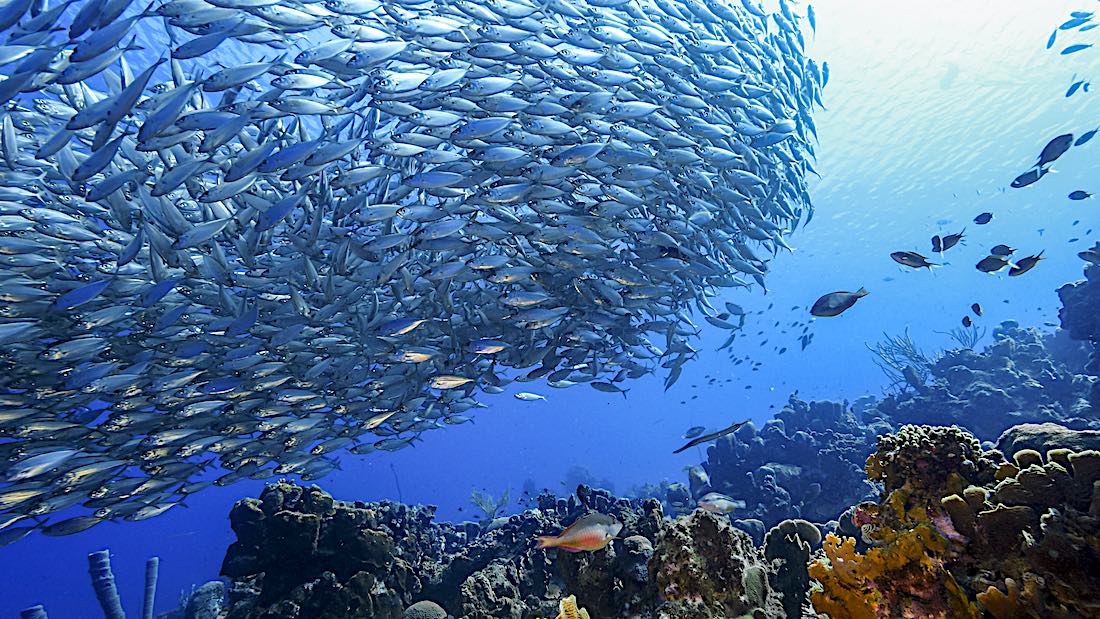
Keeping our Oceans Healthy
While individual lifestyle changes are important and collectively contribute towards positive environmental impact, they represent only one part of the broader global response required to address climate change and protect coral reef ecosystems.
Reducing the decline of coral reefs will require large-scale societal, economic, and industrial transformation — particularly in relation to our continued dependence on fossil fuels. Oil remains deeply integrated into modern society and is used extensively in transportation, manufacturing, plastics production, clothing, chemicals, and countless everyday consumer products.
Transitioning towards more sustainable and environmentally responsible alternatives is therefore essential for reducing greenhouse gas emissions and limiting further ocean warming. This includes increased investment in renewable energy sources such as solar, wind, and wave energy, alongside the development of sustainable materials including plant-based plastics and other low-impact alternatives.
Advancements in electric transportation, sustainable manufacturing, and cleaner energy infrastructure also play a vital role in reducing our long-term environmental footprint and supporting a more sustainable future.
Addressing climate change is one of the greatest collective challenges facing humanity, but through innovation, global cooperation, conservation efforts, and responsible decision-making, meaningful progress towards protecting our oceans and coral reefs remains possible.
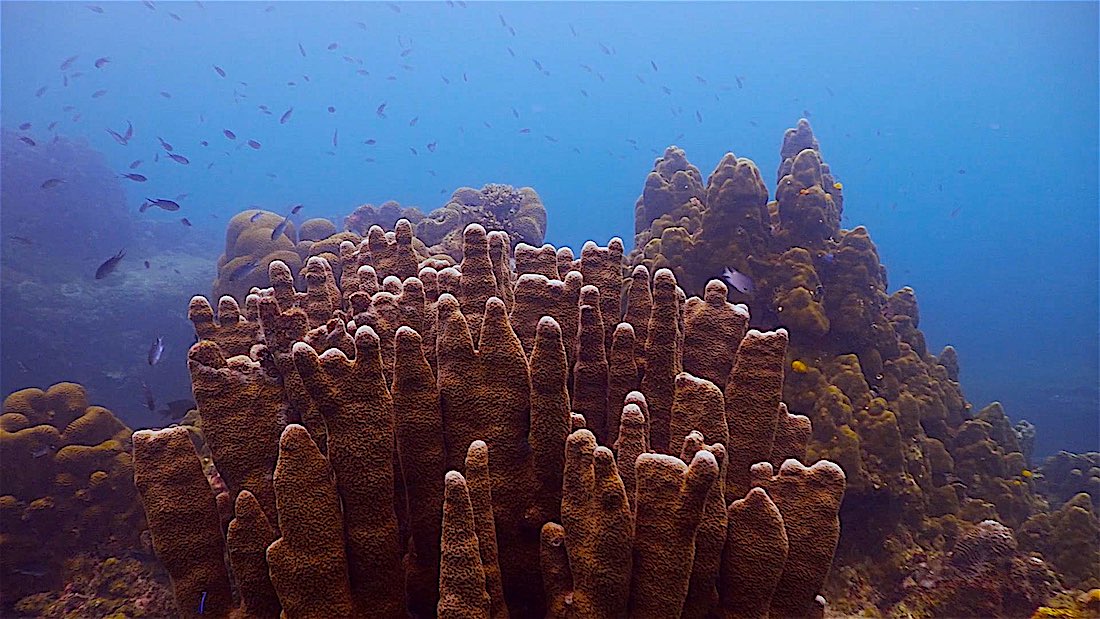
Get Involved in Conservation Projects
One of the most effective ways to create meaningful environmental change is to become more actively engaged in conservation initiatives and support policies grounded in science-based research and long-term sustainability.
By supporting conservation movements, environmental organisations, and representatives committed to meaningful climate action, individuals can help encourage the development of policies focused on reducing greenhouse gas emissions and transitioning towards a lower-carbon economy.
Scientific research continues to provide clear evidence of the environmental challenges facing our planet, and informed decision-making at both local and international levels will play a critical role in protecting marine ecosystems for future generations.
Creating Positive Change Through Everyday Choices
At the same time, positive environmental change also begins with the choices we make in our daily lives. Adopting more sustainable habits, reducing waste, supporting responsible businesses, conserving resources, and making environmentally conscious decisions all contribute towards reducing pressure on our oceans and natural ecosystems.
While no single action alone will solve climate change, the combined efforts of individuals, communities, governments, scientists, and conservation organisations can create meaningful progress over time.
For divers and ocean enthusiasts, protecting the marine environment extends beyond exploring the underwater world — it becomes an opportunity to actively contribute towards a healthier, more sustainable future for our oceans and the planet as a whole.
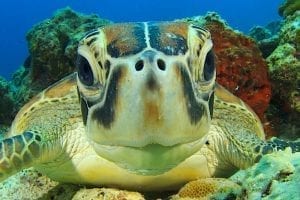
Why Sea Turtles are Important for a Healthy Ocean
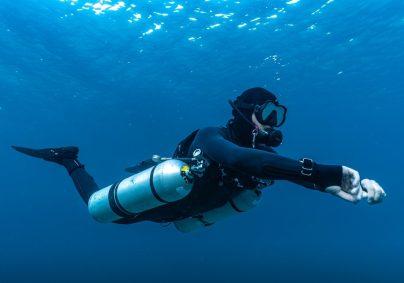
6 Reasons to become a Sidemount Diver
BOOK COURSES – PRICES