Learn about the Buddy Check in Scuba Diving
If you are already a certified diver, you have most likely heard of the pre-dive safety check — more commonly known as the “buddy check.” This is one of the most important safety procedures in recreational scuba diving and forms a fundamental part of responsible dive preparation.
As divers gain more experience, buddy checks quickly become second nature and develop into an essential habit carried out before every dive. Regardless of experience level, performing a thorough pre-dive safety check helps ensure that both divers are properly prepared, comfortable, and equipped before entering the water.
The purpose of the buddy check is to confirm that all scuba equipment is functioning correctly and that both divers understand each other’s setup, air supply, weight system, and emergency equipment. Taking a few extra moments to conduct these checks can help identify potential issues before the dive begins, significantly improving both safety and confidence underwater.
Beyond equipment inspection, the buddy check also encourages communication and teamwork between dive partners. It allows divers to discuss the dive plan, review important hand signals, confirm entry and exit procedures, and ensure both individuals feel ready and comfortable before descending.
Even the most experienced divers continue to perform buddy checks before every dive. In scuba diving, simple routines and good habits play a major role in maintaining safety, reducing stress, and creating a more enjoyable underwater experience for everyone involved.

Ensure Diver Safety
One of the key benefits of performing a buddy check is that it allows divers to become familiar with their buddy’s equipment configuration before entering the water. Not all divers use the exact same equipment setup, and understanding where important components such as alternate air sources, inflator hoses, weight releases, and gauges are located can be extremely valuable.
In the unlikely event of an underwater emergency, being familiar with your buddy’s equipment beforehand can help divers respond more quickly, calmly, and effectively. This is one of the reasons why the buddy check remains such an important part of safe and responsible scuba diving practices worldwide.
The buddy check procedure is introduced to student divers during entry-level training programs within the PADI curriculum, including the PADI Scuba Diver or PADI Open Water Diver courses. From the very beginning of their diving education, students are taught the importance of careful preparation, communication, and teamwork before every dive.
To make the process easy to remember, PADI uses the acronym “BWRAF” to guide divers through the five stages of the pre-dive safety check. Each letter represents one of the key steps involved in checking equipment and ensuring both divers are fully prepared before entering the water.
By consistently performing thorough buddy checks, divers develop strong safety habits that not only help prevent problems underwater but also contribute to a more relaxed, confident, and enjoyable diving experience overall.
BWRAF Acronym – Scuba Diving
Over the years, PADI instructors and divers around the world have developed a variety of creative and memorable phrases to help students remember the five stages of the buddy check system. These simple memory aids make it easier for new divers to recall each step of the pre-dive safety check before entering the water.
Within official PADI training materials, the acronym “BWRAF” is commonly remembered using the phrase “Begin With Review And Friend,” which is introduced to student divers during the Open Water Diver course. Throughout the diving community, divers and instructors have also created their own light-hearted variations over the years, adding a sense of fun and personality to the learning process.
Other examples that you may hear include: Bruce Willis Ruins All Films or Bruce Willis Rocks All Films, depending if you like him as an actor or not and also Beer Wine Rum Always Fun.
Regardless of the phrase used to remember it, the purpose of the BWRAF system remains the same — to ensure that both divers complete a thorough and systematic equipment and safety check before every dive.
Each letter within the acronym represents an important stage of the buddy check process, helping divers confirm that essential equipment is functioning correctly and that both buddies are fully prepared to enter the water safely.
In the following sections, we will take a closer look at each of the five steps, what divers should be checking during each stage, and why these checks play such an important role in maintaining safety, confidence, and effective teamwork underwater.
B – BCD (Buoyancy Control Device)
The first stage of the pre-dive safety check focuses on the diver’s Buoyancy Control Device, more commonly known as the BCD. While the acronym uses the term “BCD,” this stage is fundamentally centred around checking the diver’s buoyancy system and ensuring it is functioning correctly before entering the water.
During this step, divers test both the inflation and deflation functions of their buddy’s BCD using the Low-Pressure Inflator (LPI) hose controls. The primary objective is to confirm that the BCD can properly hold air and provide positive buoyancy at the surface, while also allowing the diver to maintain neutral buoyancy comfortably underwater during the dive.
Inflating & Deflating a BCD
As part of the check, divers will test the inflator buttons to ensure the BCD inflates and deflates smoothly and responsively. In addition, divers will often practise orally inflating the BCD by blowing air into the oral inflator while pressing the deflate button. This is an important backup skill in the unlikely event of an inflator malfunction during a dive.
The various dump valves and quick-release exhaust valves located around the BCD are also checked to ensure they are functioning correctly and releasing air effectively when operated.
Beyond simply testing the equipment, this stage of the buddy check also helps divers become familiar with their buddy’s BCD configuration. Understanding how your buddy’s inflator system works, where the dump valves are located, and how the equipment is operated can be extremely valuable in assisting one another underwater if required.
Although it is a straightforward part of the pre-dive safety check, the BCD inspection plays an essential role in ensuring comfort, buoyancy control, and overall diver safety throughout the dive.
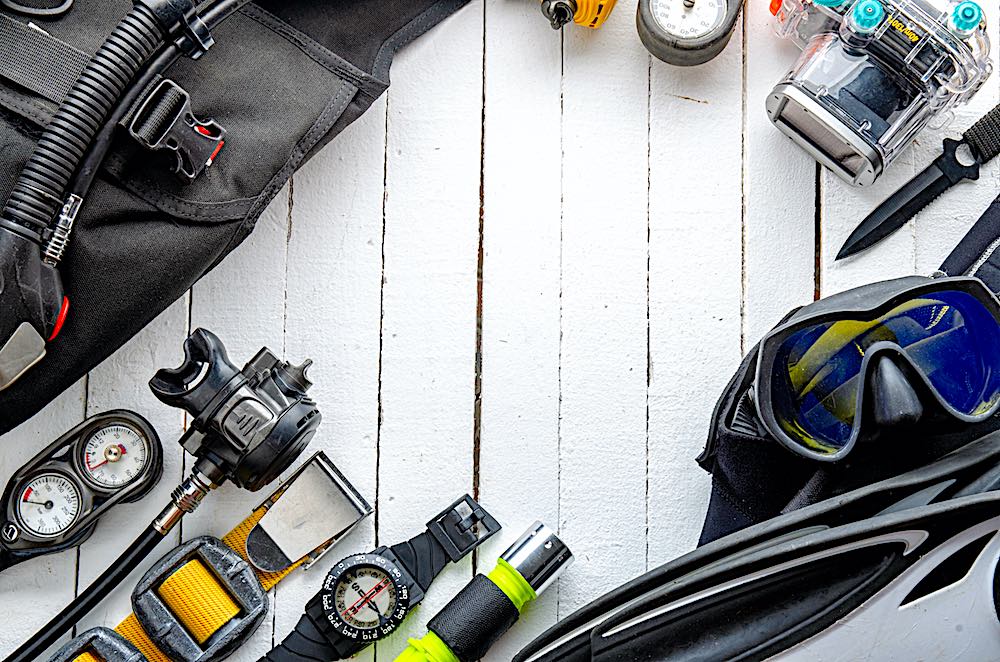
W – Weight System – Scuba Diving
The second stage of the pre-dive safety check focuses on the diver’s weight system. In scuba diving, weights are used to help divers descend comfortably underwater and achieve proper buoyancy control throughout the dive. The amount of weight required varies depending on several factors, including the type of exposure suit being worn, the diving environment, and the individual diver’s body composition.
For example, divers wearing thicker exposure suits such as a 7mm wetsuit or dry suit will generally require more weight due to the increased buoyancy created by the additional neoprene. In contrast, diving in warmer tropical waters with thinner wetsuits, shorties, or rash guards usually requires significantly less weight.
Weight System & Buoyancy
The type of water environment also plays an important role in determining correct weighting. Salt water is naturally more buoyant than fresh water, meaning divers typically require additional weight when diving in the ocean compared to lakes, rivers, or swimming pools.
On Koh Tao, water temperatures remain warm throughout most of the year, rarely dropping below 26°C. As a result, divers generally wear lighter exposure suits and require only moderate amounts of weight during ocean dives. While some confined water training sessions may take place in fresh water swimming pools, the majority of diving around the island is conducted in salt water conditions.
Check Weight System before Entering Water
During this stage of the buddy check, divers first confirm that their buddy is carrying and wearing the correct weight system before entering the water — something that can occasionally be overlooked during equipment setup.
Divers may use different types of weighting systems, including traditional weight belts or integrated weight pockets built directly into the BCD. The buddy check provides an opportunity to become familiar with your buddy’s particular configuration and understand how the release mechanisms function in case assistance is needed underwater.
If your buddy is using a traditional weight belt, it should always be configured as a right-hand release system. This means the buckle can be quickly released using the diver’s right hand in the event of an emergency. It is also important to ensure the weight belt is not trapped beneath BCD straps, clips, or Velcro sections, as this could prevent the weights from being released quickly if required.
For divers using integrated weight systems, the buddy check allows both divers to confirm that the weight pockets are securely attached and that the quick-release mechanisms are functioning correctly.
Although often overlooked by beginners, proper weighting and familiarity with weight systems are extremely important aspects of safe and comfortable scuba diving, contributing directly to buoyancy control, diver safety, and overall confidence underwater.
Right Hand Release on Weight Belt
If your buddy is using a traditional weight belt, it should always be configured as a right-hand release system. This means the buckle can be quickly opened and released with a single pull using the right hand in the event of an emergency. It is also important to ensure that the weight belt is not trapped beneath any BCD straps, buckles, clips, or Velcro sections, as this could prevent the weights from being released quickly if required.
If your buddy is using an integrated weight system, the buddy check provides an opportunity to understand how the quick-release mechanism functions and to confirm that all weight pockets are securely attached before entering the water.
Becoming familiar with your buddy’s weight system is an important part of safe diving practices and can significantly improve response time and efficiency should assistance ever be required underwater.
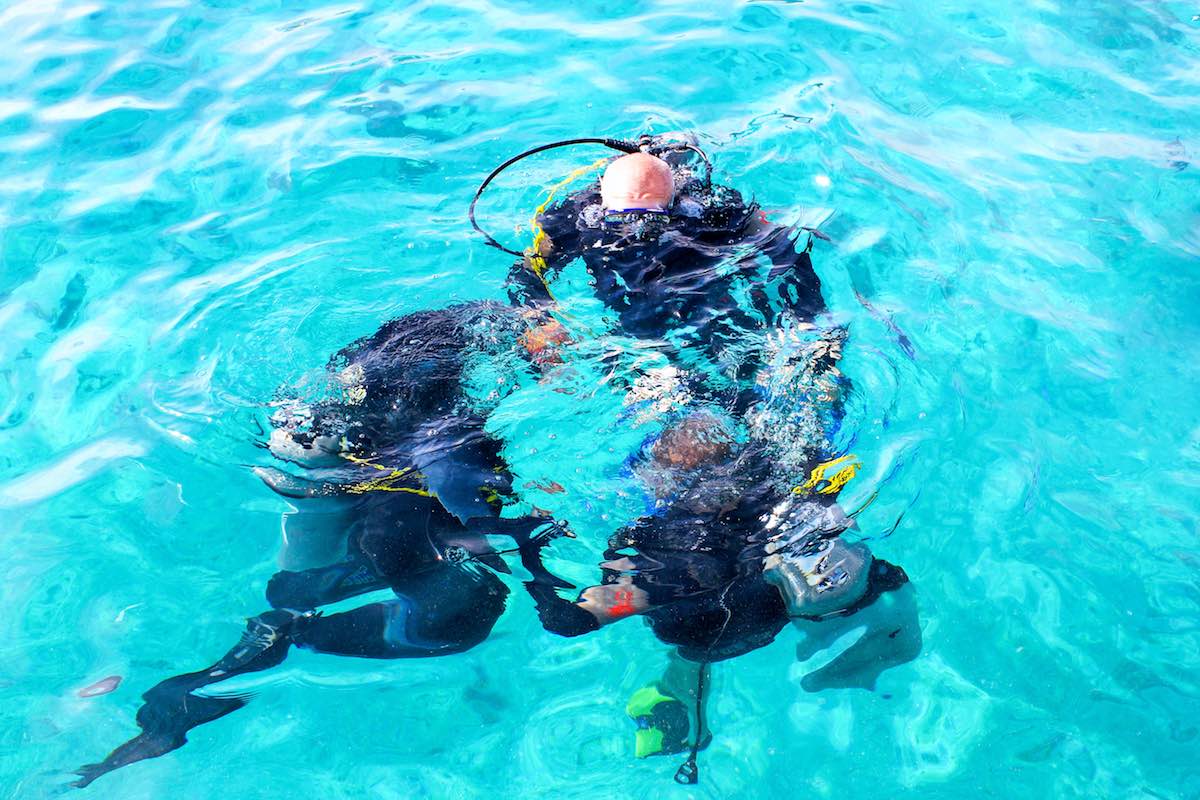
R – Releases Check – Scuba Diving
The third stage of the buddy check focuses on the various release systems and straps attached to the scuba equipment. The primary purpose of this step is to ensure that all straps, buckles, and clips are properly secured before entering the water, while also allowing divers to become familiar with their buddy’s equipment configuration.
Understanding how your buddy’s release systems function is particularly important in the unlikely event of an emergency, as it allows you to quickly assist with removing or adjusting equipment if necessary.
Check All Straps before Entering Water
Every BCD design differs slightly depending on the manufacturer and model, but most systems include adjustable shoulder straps, waist straps or buckles, and often a chest strap for additional security and comfort. Some BCDs also feature a cummerbund-style waistband with Velcro fastening to help improve fit and stability underwater.
During this stage of the buddy check, divers should visually and physically confirm that all clips, buckles, and straps are correctly fastened and comfortably adjusted. Properly secured equipment not only improves overall diver comfort but also plays an important role in maintaining effective buoyancy control throughout the dive.
Securing the Tank System
An additional and extremely important part of the releases check involves inspecting the scuba cylinder attachment system. Divers should confirm that the tank strap is tightened correctly so the cylinder cannot move or slide within the BCD during the dive.
If the BCD includes an additional safety strap positioned around the tank valve, this should also be checked to ensure it has been attached properly during equipment assembly. This secondary safety strap is commonly overlooked by newer divers, which is why professional instructors and dive leaders pay particular attention to it during supervised buddy checks.
Although this stage of the buddy check may appear simple, carefully inspecting release systems and equipment attachments contributes significantly to diver safety, equipment security, and overall confidence before entering the water.
A – Air Supply – Scuba Diving
One of the most important stages of the pre-dive safety check is confirming that both divers have a fully functioning and accessible air supply before entering the water. During this step, divers check that the scuba cylinder valve is completely open and that the regulator system is delivering air correctly and consistently.
To perform the air supply check, divers breathe from the primary second-stage regulator while simultaneously providing air to their buddy through the alternate air source. By both breathing from the system at the same time, the regulator setup is briefly placed under increased demand, helping verify that the system can deliver air effectively when needed.
While conducting this test, divers should closely monitor the Submersible Pressure Gauge (SPG), or air gauge, to ensure the needle remains stable during inhalation. A steady gauge reading indicates that the air supply system is functioning correctly.
Replace Tank if Faulty
If the gauge needle moves significantly or drops sharply toward zero during breathing before returning to its original position, this may indicate that the tank valve is only partially opened or that there is an issue with the cylinder or regulator system.
In this situation, divers should first confirm that the tank valve has been fully opened. If the issue continues after reopening the valve, the safest option is to replace the scuba cylinder and inspect the equipment further before diving.
Modern Hygiene Considerations
In recent years, the global COVID-19 pandemic also introduced additional hygiene considerations during the air supply check process. Many dive operations have adapted this stage of the buddy check to minimise unnecessary sharing or direct contact with alternate air sources while still ensuring the system is tested safely and effectively.
Although simple in principle, the air supply check is one of the most critical components of the buddy check system and plays a major role in ensuring diver safety, confidence, and preparedness before every dive.

Check Regulators before Entering Water
Instead of making your buddy breathe from your alternate air source, you can now purge your alternate air source while you are breathing from your primary regulator and checking the SPG needle. That way you avoid any contamination of the alternate air source mouthpiece until it needs to be used in case of a real emergency. If you want to know more, you can read our article about Reducing COVID-19 disease transmission risk when scuba diving.
F – Final Checks before Entering Water
The final stage of the buddy check is exactly as the name suggests — a last overall inspection before entering the water. This step allows divers to confirm that all essential equipment is present, correctly configured, and ready for the dive.
At this stage, divers should ensure that important personal equipment such as masks, fins, and exposure suits are prepared and easily accessible before entry. If using a dive computer, divers should confirm that the device is switched on, functioning correctly, and set to the appropriate mode for the planned dive. For example, if diving with standard air, the computer should not accidentally remain set to a Nitrox configuration.
If one diver is responsible for underwater navigation, this is also the ideal time to confirm that navigation equipment such as a compass is present and ready for use.
Streamlined Scuba Equipment
The final check also provides an important opportunity to inspect overall equipment streamlining. In scuba diving, all hoses, gauges, and accessories should be secured close to the body to reduce unnecessary drag and minimise the risk of entanglement or accidental damage.
Loose or dangling equipment can not only damage delicate marine environments such as coral reefs but may also place unnecessary strain on scuba equipment during the dive. Ensuring that items such as the Submersible Pressure Gauge (SPG) and alternate air source are properly clipped into place helps protect both the equipment and the underwater environment.
By carrying out a careful final inspection before entering the water, divers can begin the dive feeling more organised, prepared, and confident — helping create a safer and more enjoyable underwater experience for everyone involved.
Practice makes Perfect
The pre-dive buddy safety check is one of the most important habits a scuba diver can develop. Consistently performing a thorough buddy check before every dive plays a significant role in reducing the risk of equipment-related problems underwater and helps ensure dives are conducted as safely and efficiently as possible.
Like many aspects of scuba diving, effective buddy checks become easier and more natural through regular practice. Over time, experienced divers develop the routine into an automatic part of their dive preparation, helping them identify potential issues before entering the water while improving overall confidence and awareness.
Every diver should treat the buddy check as an essential part of their personal dive strategy, rather than simply a training exercise. Taking a few extra moments to carefully inspect equipment, communicate with your buddy, and confirm everything is functioning correctly can make a substantial difference to both diver safety and peace of mind underwater.

Building Strong Diving Habits
Throughout all PADI courses that involve in-water training, the buddy check remains a core component of the diving process. During the PADI Open Water Diver course alone, student divers will typically practise the pre-dive safety check at least six times throughout their training.
For those continuing directly onto the PADI Advanced Open Water Diver course, the process is repeated multiple additional times, further reinforcing the importance of safe dive preparation and good diving habits.
Repeatedly practising the buddy check helps divers build consistency, awareness, and familiarity with different equipment configurations while encouraging a more disciplined and responsible approach to diving.
Beyond safety, well-executed buddy checks also contribute towards more relaxed and enjoyable dives. Divers who feel prepared and confident before entering the water are better able to focus on buoyancy, marine life, underwater communication, and overall enjoyment of the experience.
By making the buddy check a routine part of every dive, divers not only improve their own safety but also contribute towards a more professional, environmentally responsible, and supportive diving culture overall.

Start your PADI Diving Course with E-learning

What is the PADI Open Water Course Koh Tao
BOOK COURSES – PRICES