Sidemount Diving on Koh Tao
Koh Tao has established itself as a premier destination for divers, offering abundance of dive sites, exceptional marine biodiversity, and comprehensive training opportunities for those looking to advance their skills. The island attracts many visitors who begin their diving journey with entry-level courses, earning their first certification and often progressing to advanced and rescue-level qualifications.
Beyond foundational training, Koh Tao also provides an extensive selection of specialty courses. Divers can expand their expertise through disciplines such as Deep Diving, Wreck Diving, and Enriched Air Nitrox, or deepen their understanding of the underwater environment through programs like Fish Identification, Underwater Naturalist, and Marine Conservation Fish Identification, Underwater Naturalist and Marine Conservation technical development and ecological awareness makes Koh Tao an ideal location for divers seeking both professional growth and a deeper connection with the marine world.
Change of Lifestyle
Many aspiring professional divers seeking a lifestyle transition or career change choose to enroll in Divemaster and Instructor Internship programs, providing a structured pathway toward employment within the global scuba diving industry. These programs are designed to develop leadership skills, practical experience, and professional competencies required to work confidently in diverse diving environments around the world.
While traditional diver training has historically centred on single backmount cylinder configurations, Sidemount diver training has gained significant popularity in recent years and is now one of the most in-demand specialty pathways. Its appeal lies in its versatility, improved streamlining, enhanced accessibility, and adaptability across a wide range of diving environments. As a result, many divers are increasingly drawn to Sidemount as an alternative configuration that offers both practical advantages and expanded technical potential.
Introduction to Sidemount diving
If you ask a Sidemount diver what they enjoy the most about diving sidemount, you will almost always get the same answer. Freedom. As scuba divers we all love the feeling of freedom. Whether exploring long lost ship wrecks, underground cave systems or weightlessly drifting across diverse Coral reefs watching the underwater world go by, there is an incredible feeling of freedom experienced when we go diving.
As ocean explorers, we are drawn to the freedom of moving and navigating in all directions within the remarkable three-dimensional underwater environment. The sidemount configuration enhances this sense of freedom, offering an alternative to the traditional single-tank backmount setup.
Sidemount diving allows for increased flexibility and streamlined movement in the water, enabling divers to adjust their position with ease. Many divers also report improved mobility and overall comfort, as the system promotes a balanced, adaptable configuration that supports efficient movement and extended time underwater.
Sidemount Diving is popular
Traditionally, sidemount diving was primarily associated with technical disciplines such as wreck and cave exploration. However, as its advantages became more widely recognised, many recreational divers began adopting the configuration, often transitioning to a two-cylinder setup. Today, sidemount diving is firmly established within the recreational community and continues to grow in popularity worldwide.
For divers with a genuine passion for the underwater world, choosing to dedicate your next diving experience to sidemount training can be a rewarding decision. Discover the top six reasons why we believe this versatile configuration is worth exploring, and why so many divers are choosing to join the expanding sidemount community
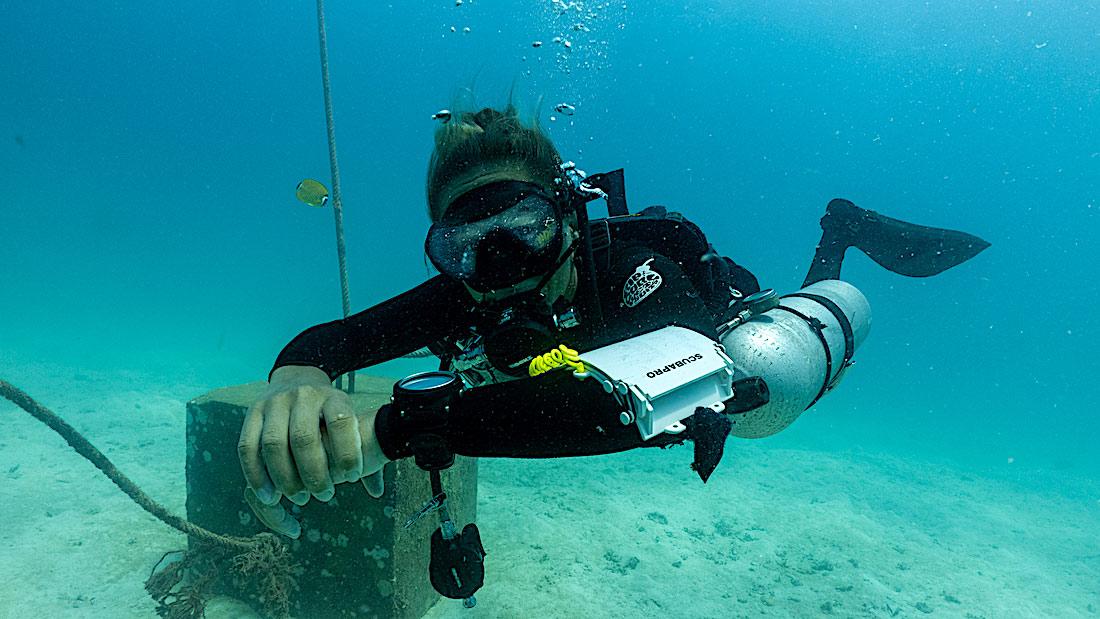
1. Become more Streamlined as a Sidemount Diver
Water is approximately 800 times denser than air, meaning movement through it requires significantly more effort and energy. To reduce exertion underwater, divers must adopt efficient techniques that minimize resistance and promote streamlined movement. One of the most effective ways to achieve this is by reducing drag—positioning both the body and equipment to create the least possible disruption to the surrounding water.
The greater the surface area presented to the flow of water, the more drag is generated, resulting in increased energy expenditure. This not only impacts physical effort but can also lead to higher air consumption and added stress, particularly when diving in currents or at depth.
By sidemounting cylinders in alignment with the body and the direction of travel, divers can improve streamlining, enhance propulsion efficiency, and reduce overall resistance. The result is a more balanced, energy-efficient, and comfortable diving experience, allowing for smoother movement and greater relaxation underwater.
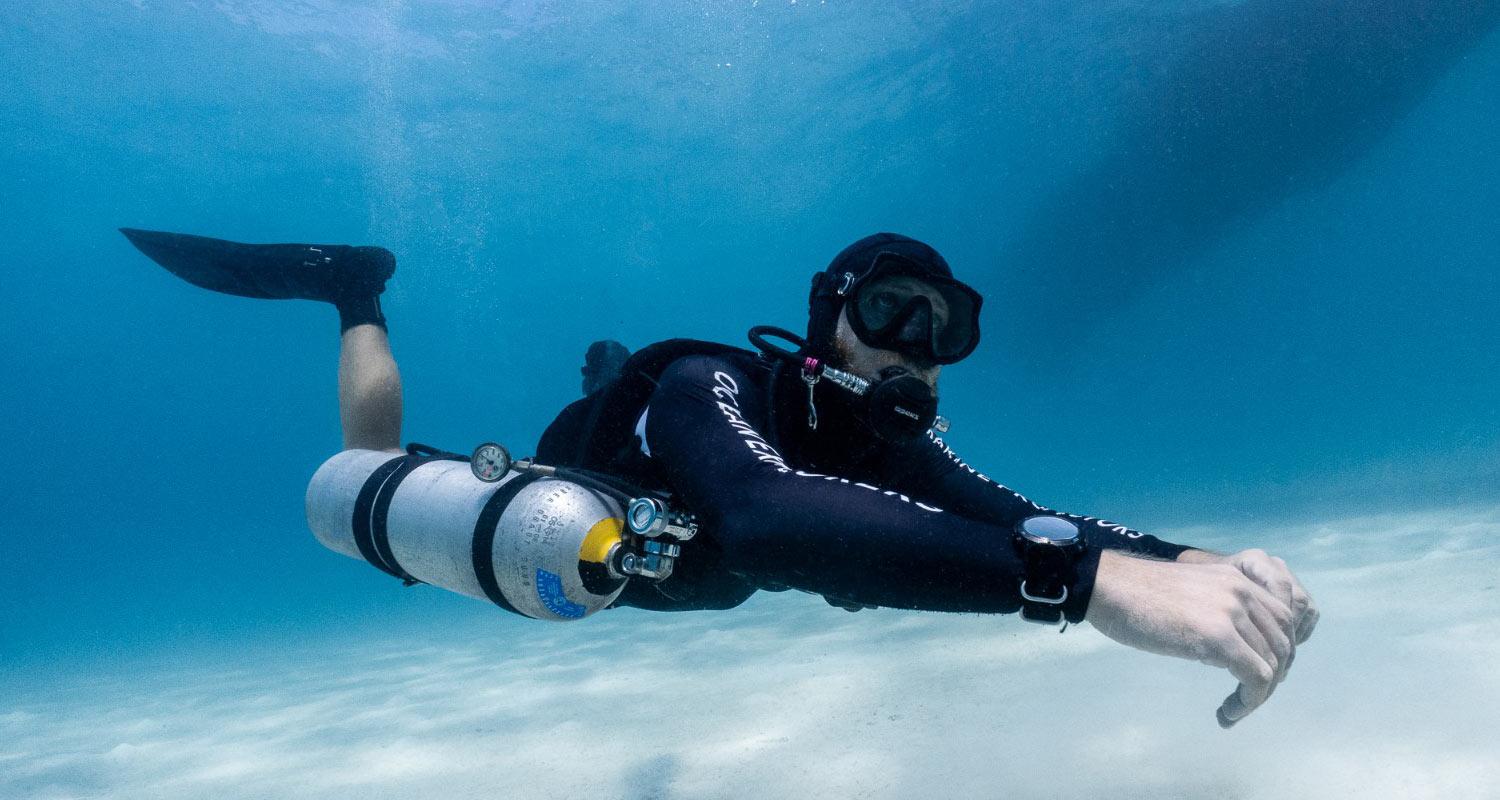
2. Finding proper Trim as a Sidemount Diver
Trim refers to the orientation of a diver’s body while swimming underwater and is a fundamental component of efficient and controlled movement. Maintaining proper trim requires appropriate weighting, optimal weight distribution, correct body positioning, and precise control of the air within the Buoyancy Control Device (BCD).
Although good trim is achievable in a traditional backmount configuration, many divers do not receive sufficient awareness or focused training to consistently establish and maintain the ideal horizontal position. Developing strong trim skills enhances stability, streamlines movement, and contributes significantly to overall diving comfort and efficiency.
Sidemount Diver Trim
We often see divers who are struggling with their trim, and as a result, they find it harder to make the progress they’d like in their training. This is where sidemount can make a real difference.
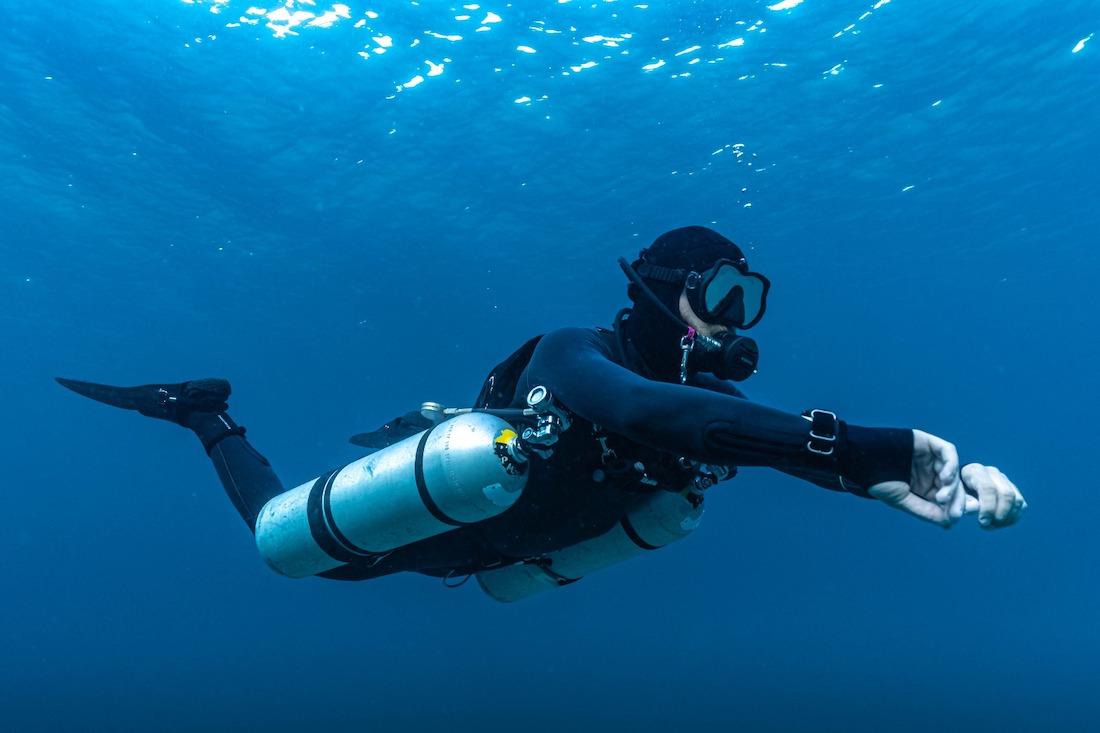
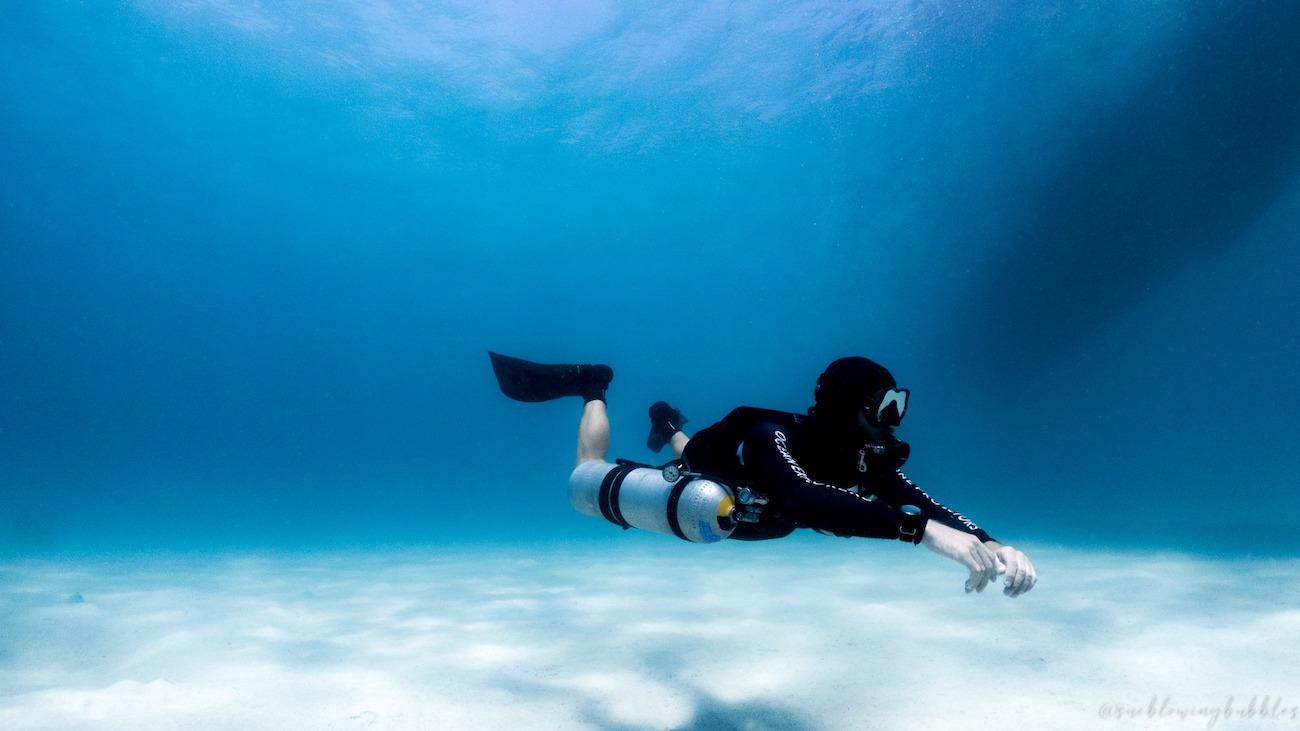
Sidemount configuration can make it much easier to achieve and maintain a comfortable horizontal position. With one cylinder positioned on each side of the body, the weight is distributed more evenly and aligned more closely with your centre of gravity, helping improve balance and stability. When properly set up, with the valves and first stages positioned just below the armpits and all components correctly adjusted, each cylinder sits neatly along the side centre line of the torso.
This streamlined positioning supports better control in the water and can help divers feel more balanced, relaxed, and confident during their training.
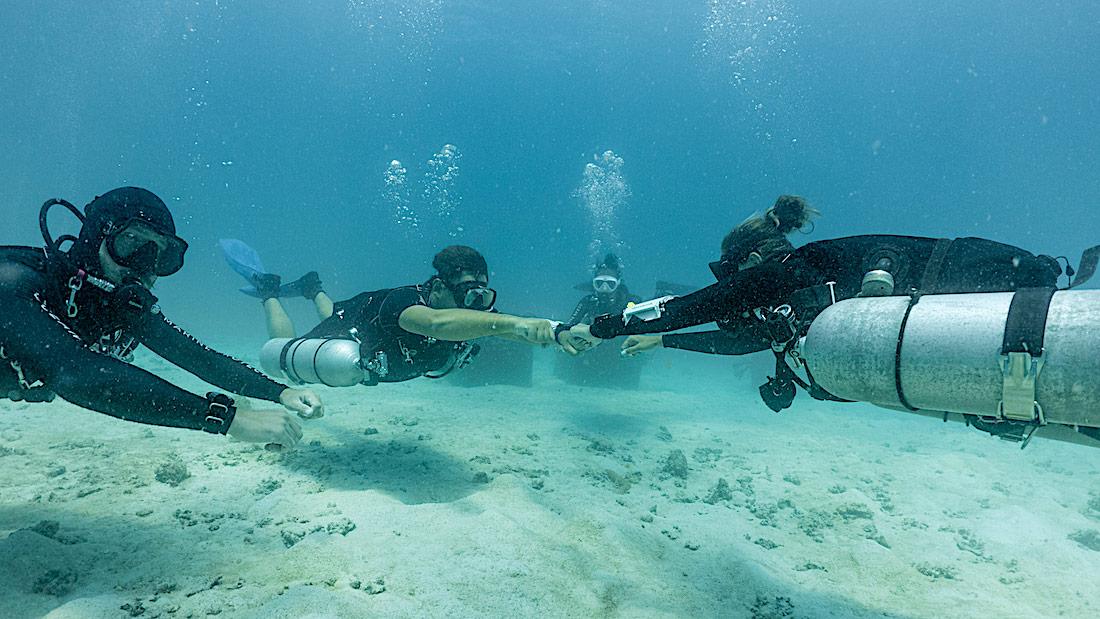
3. Easier Balance & Stability as a Sidemount Diver
In a sidemount configuration, gas cylinders are positioned along either side of the upper body, extending from beneath the arm down toward the mid-thigh. This setup helps align the diver’s centre of gravity and buoyancy closer to the body’s natural centreline, promoting improved balance and stability underwater.
To maintain optimal trim and equilibrium throughout the dive, divers are trained to regularly alternate between the left and right cylinders. This process helps ensure that air is used evenly from both tanks, maintaining a consistent balance as the dive progresses. By monitoring tank pressures and switching regulators at appropriate intervals, divers can keep gas distribution relatively equal, supporting steady buoyancy control and streamlined positioning in the water.
Sidemount Diver Balance
Sidemount configuration allows for greater freedom of movement, making it easier to transition smoothly between positions underwater. Whether rolling onto either side, inverting, or moving into an upright posture, divers typically experience enhanced stability and control.
In contrast, certain movements in a traditional backmount setup can generate rotational momentum that may be more challenging to manage, particularly when balance and trim are not optimally refined. Due to its distribution of weight along both sides of the body, sidemount naturally promotes improved equilibrium, helping divers maintain a stable and controlled position with less effort.
This level of stability is especially beneficial when performing precise underwater tasks, such as conducting an underwater search, navigating overhead environments, or maintaining position during safety or decompression stops. While strong control in the water can certainly be achieved through comprehensive training and experience, many divers find that sidemount provides a more accessible platform for developing and refining these skills.
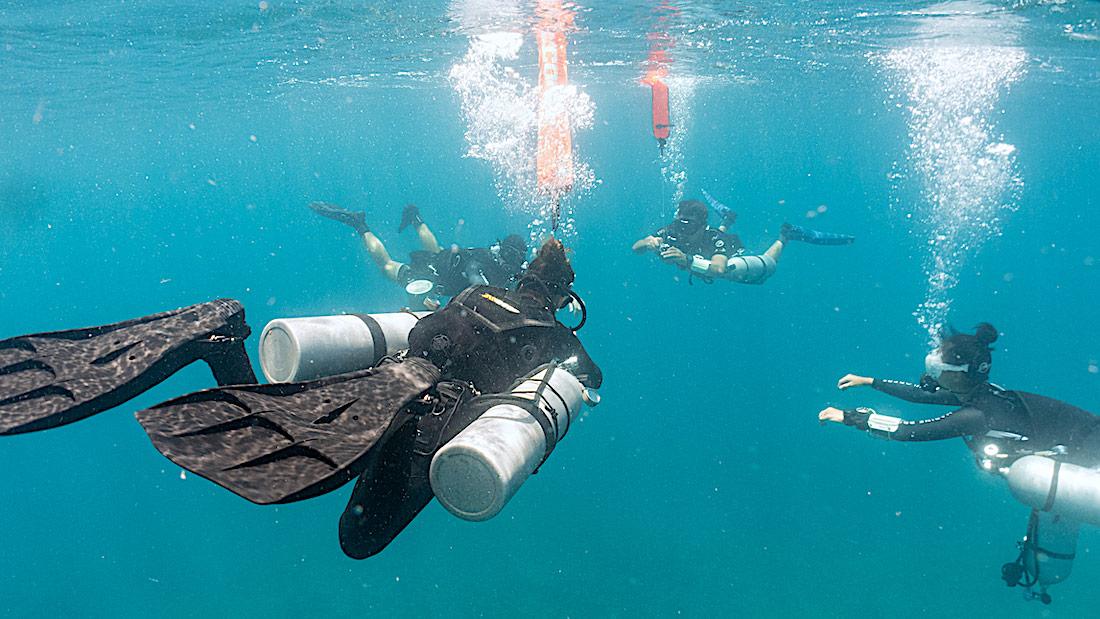
4. More Comfort as a Sidemount Diver
One of the key advantages of sidemount diving is the enhanced level of comfort it can provide compared to traditional backmount configurations. Sidemount harness systems are highly adjustable, allowing divers to tailor the setup to their individual body shape and preferences. This personalised fit supports improved body positioning, refined trim, and greater overall streamlining in the water.
With cylinders clipped to either side of the body, weight is distributed more evenly, reducing pressure and strain on the back. This can be particularly beneficial for divers who experience upper or lower back discomfort.
Additionally, sidemount can be a valuable option for individuals with shoulder limitations, back concerns, or other physical conditions that affect mobility or restrict load-bearing activities. Its adaptable design offers a more flexible approach to equipment configuration, helping make diving more accessible and comfortable for a wider range of divers.
Sidemount Diver Comfort
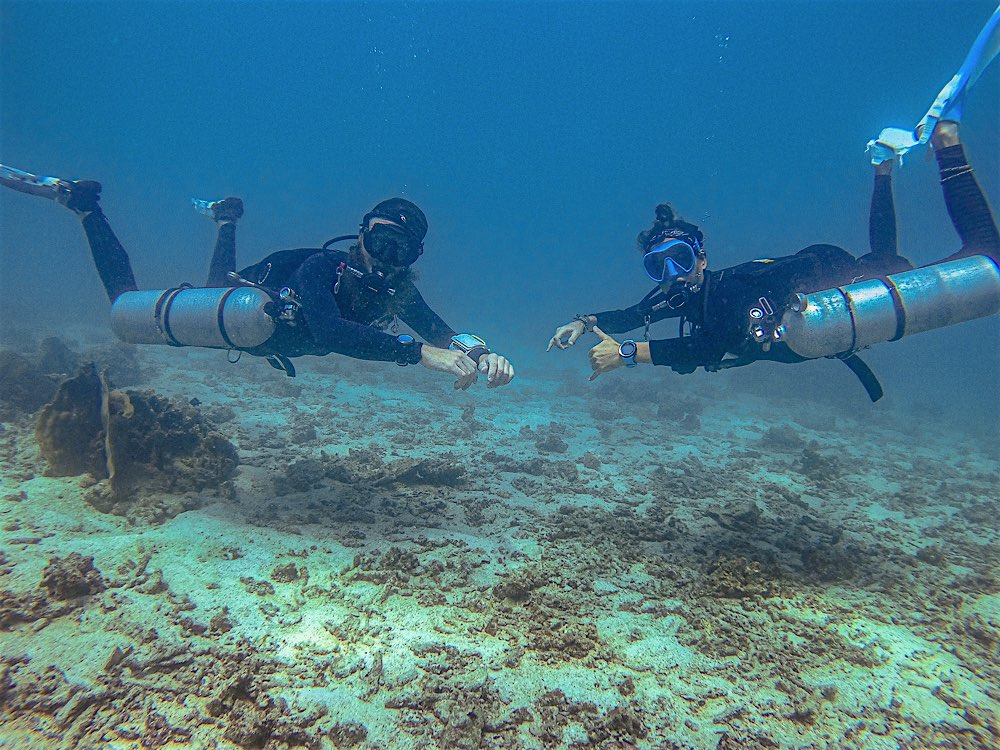
One of the practical advantages of sidemount diving is the ability to clip cylinders on and off while in the water, reducing the amount of weight handled on entry and exit. This can make gearing up and transitioning in and out of the water more manageable and efficient. The same benefits apply to equipment transport, as many divers find it easier to carry two smaller cylinders rather than a single larger one.
For underwater photographers and videographers, sidemount also offers increased flexibility and freedom of movement. Without a manifold positioned across the back, head and neck movement is less restricted, allowing for easier awareness of surroundings and improved comfort when framing shots. This added mobility can enhance both situational awareness and overall underwater control.
5. Self-sufficiency as a Sidemount Diver
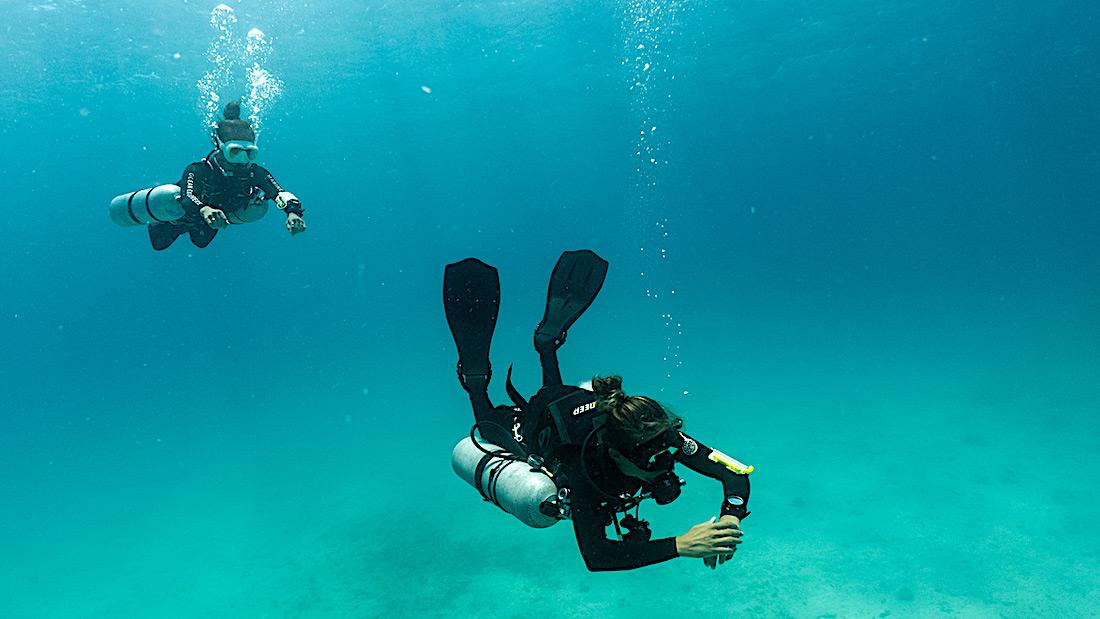
One of the key advantages of a sidemount configuration is the accessibility of the cylinder valves, which are positioned in front of the diver and within clear view. This arrangement allows for straightforward monitoring, making it easier to identify and respond to potential issues promptly. Valve shutdowns can be performed efficiently, and first-stage leaks are typically easier to detect and manage. As a result, sidemount supports a higher level of self-reliance in equipment management and problem-solving underwater.
In contrast, backmount configurations place the valves and first stages behind the diver’s head, outside of direct sight, which can make certain responses more challenging in comparison. Additionally, sidemount systems provide two fully independent gas supplies, enhancing redundancy and offering an added layer of safety. While this independence can significantly improve confidence and preparedness, it is important to note that it does not replace the need for thorough gas planning and responsible gas management.
6. Increased Gas Supply & Redundancy as a Sidemount Diver
Diving with two tanks instead of one means you have twice as much gas diving sidemount, as opposed to diving with a traditional backmount set up. This means you can get much more out of your dives, especially at deeper dive sites such as Chumphon Pinnacles or Sail Rock. Using Enriched Air Nitrox on a single tank normally means you are running out of air long before you are approaching your No Decompression Limit (NDL). However, diving Sidemount with Enriched Air Nitrox allows you to enjoy more dive time and extend bottom time safely, without the need to finish the dive due to being low on air.
Benefits of becoming a Sidemount Diver
As well as the additional freedom and flexibility, diving Sidemount offers divers a number of other benefits you do not have with backmount diving. You can become a Sidemount diver in conjunction with the Open Water course, as part of the Advanced Open Water course or as a separate Specialty course. Sidemount diving does not require specialized cylinders meaning dive operators all over the world will be able to cater for well-trained Sidemount divers with their own rig. However, diving with a Sidemount set up is more than simply attaching two cylinders to the side of your body and entering the water. There are lots of moving parts that require adjustments at the start of your dive and throughout the dive. Understanding how all these parts work together and possessing a willingness to experiment, make (often minor) adjustments to your configuration after your course, is all part of being a competent Sidemount diver.
Sidemount Diver Specialty course
Like all our specialty courses, we aim to educate our students to the highest training standards, so they can become a more confident diver using the knowledge learned throughout our course. Our Sidemount specialty course is designed to increase your awareness of the different equipment configurations available so you can get the most out of your diving experiences. Koh Tao is the perfect location to learn how to dive on a Sidemount configuration.
Exploring Koh Tao as a Sidemount Diver
After performing drills and mastering the skills at one of our beautiful sandy bays and gaining a certification, you can explore any of the dive sites in comfort and with ease. The diverse underwater topography around Koh Tao, offers Sidemount divers an extensive range of dive sites to choose from. Explore our outlying deep rock pinnacles, our expansive bays that are rich in Coral reefs or you can cruise around our local sunken wrecks. Our Sidemount diver specialty course is designed by divers for divers, so you can become a more knowledgeable and proficient diver. What are you waiting for?
What is Coral bleaching and what causes it
3 Best Deep Dive Sites on Koh Tao
BOOK COURSES – PRICES